

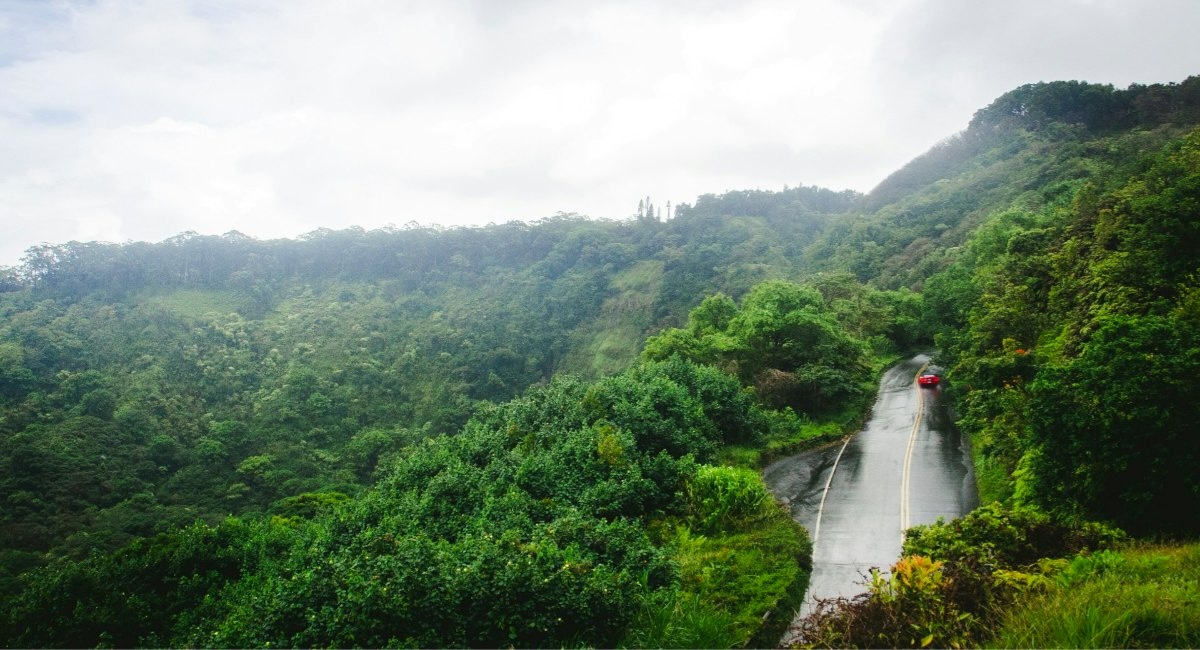
Maui’s Road to Hāna is a 64-mile journey through rainforests, waterfalls, black-sand beaches, and dramatic coastal curves.
The air tastes different here — cool, damp, and alive with the scent of guava and rainforest greens. Your hands grip the steering wheel a little tighter as you round another hairpin turn, the 600th curve on this ancient highway that ribbons along cliffs where the Pacific crashes hundreds of feet below.
This legendary drive features over 600 hairpin turns and 50+ one-lane bridges along Hāna Highway. I recommend starting early, between 6 and 7 am, to avoid crowds; pack water and snacks, and plan for an out-and-back journey. Most visitors turn around at Hāna or Kīpahulu, making this a 10-12-hour round-trip experience.
The best Road to Hāna stops include Twin Falls, Waikamoi Ridge Trail, Keʻanae Peninsula, Halfway to Hāna banana bread stand, Waiʻānapanapa State Park’s black sand beach, and ʻOheʻo Gulch’s sacred pools, each marked by highway mile markers for easy navigation.
I’ve guided several visitors through this journey, and I can tell you that no two trips are exactly alike. You might spend an hour photographing rainbow eucalyptus trees while someone else chases waterfalls. That’s the magic of Hāna Highway. It’s about finding your own rhythm with this ancient road.
Before you go, check current road conditions and park advisories, as weather, construction, or closures can affect access and travel times along the route.
_________________________________________________________________________
What are the Must-See Road to Hāna Stops?
The best Road to Hāna stops balance accessibility, natural beauty, and authentic Hawaiian culture. Each mile marker reveals something different, so pack your sense of adventure along with your camera.
I’m going to walk you through the stops that consistently blow people away. These aren’t just the most Instagram-famous spots. They are the places where you’ll want to stop, breathe, and take it all in.
Twin Falls (Mile Marker 2)
Your first major waterfall stop is just minutes into the drive. The sound hits you first—water thundering over volcanic rock, drowning out everything except your own heartbeat. Twin Falls sits on private land with a small entry fee, but the easy hike through fruit orchards and jungle makes it perfect for warming up your adventure legs.
The path squelches beneath your feet, red mud clinging to your soles. Overhead, mango branches heavy with fruit create a canopy that filters sunlight into golden coins scattered across the trail.
This spot gets absolutely packed by 9 am. If you skip it on the way out, you can always catch it on your return when crowds thin.
Rainbow Eucalyptus Grove (Mile Marker 7)
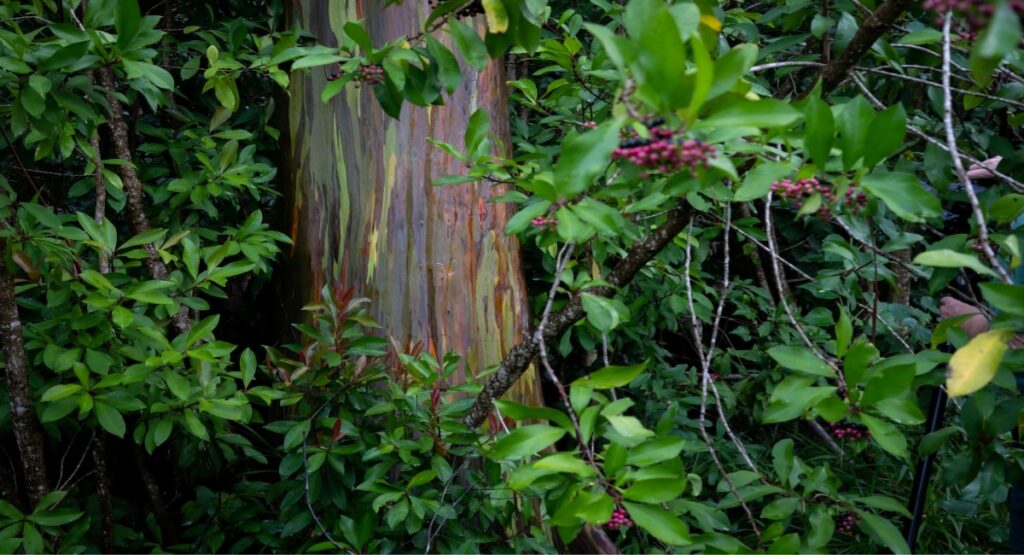
These trees look Photoshopped, but they are 100% real. Run your fingers along the smooth bark—it feels like touching silk that’s been polished by a thousand rains. The bark sheds in strips, revealing bright green inner bark that ages into brilliant reds, oranges, and purples. Kids especially love spotting all the different colors and comparing which trees have the brightest patterns.
The air here smells clean, eucalyptus-sharp, cutting through the humid sweetness of the jungle. When wind moves through the grove, the tall trunks creak and sway, creating a sound like an orchestra tuning up.
Pull over just past the grove, but only where safe and legal. The colors pop brightest after rain, when the bark is wet.
Waikamoi Ridge Trail (Mile Marker 9)
This short loop trail (about 30 minutes) takes you deep into the native Hawaiian rainforest. Step onto the path, and the temperature drops ten degrees instantly. The canopy overhead creates this cathedral-like feeling, and you’ll understand why ancient Hawaiians considered these forests sacred.
Your footsteps are muffled by centuries of fallen leaves. Water drips constantly from the canopy above—not quite rain, but the forest breathing. Native birds call from hidden perches, their songs echoing through the green twilight.
The trail can get muddy, so bring good hiking shoes for the journey. Before heading out, check current trail conditions and access status, as weather or maintenance can cause temporary closures. Stay on marked paths to protect native plants and ensure your safety.
Garden of Eden Arboretum (Mile Marker 10)

Garden of Eden Arboretum is a 26-acre botanical wonderland that showcases over 500 tropical plant species. The fragrance shifts with every step—plumeria blossoms giving way to night-blooming jasmine, then the peppery bite of ti leaves crushed underfoot. You’ll also get killer views of both Upper and Lower Puohokamoa Falls. Yes, there’s an admission fee, but the meticulously maintained gardens and overlooks justify it.
Listen for the waterfalls before you see them—a constant white noise that makes you lean forward, searching for the source. When you find the overlook, the twin cascades plunge through emerald jungle, mist rising like prayers into the morning air.
Visit early if you want the place mostly to yourself. The morning light makes everything glow.
Kaumahina State Wayside Park (Mile Marker 12)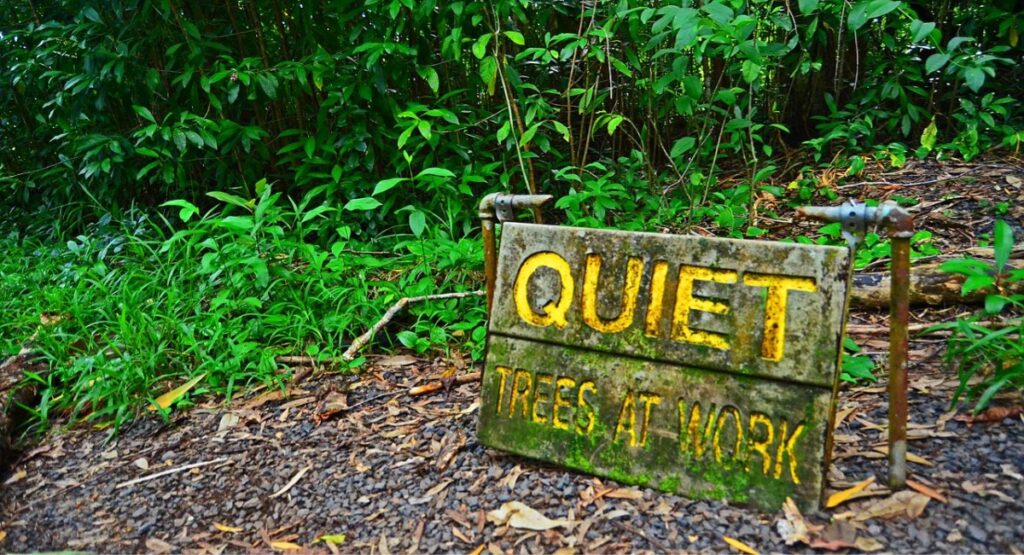
Source: Edmund Garman, CC BY 2.0 via Wikipedia Commons
This is your bathroom break with a view. The clean facilities, picnic tables, and panoramic views of Honomanū Bay make it perfect for a quick snack stop.
Stand at the lookout point and let the trade winds hit your face. Salt spray carries up from the ocean far below, where white foam traces patterns against black lava rock. The wind makes a constant rushing sound through the ironwood trees, like the island itself exhaling.
The lookout point offers one of the best photo ops of the coastline ahead. You can see the road snaking along the cliffs.
Keʻanae Peninsula (Mile Marker 16-17)
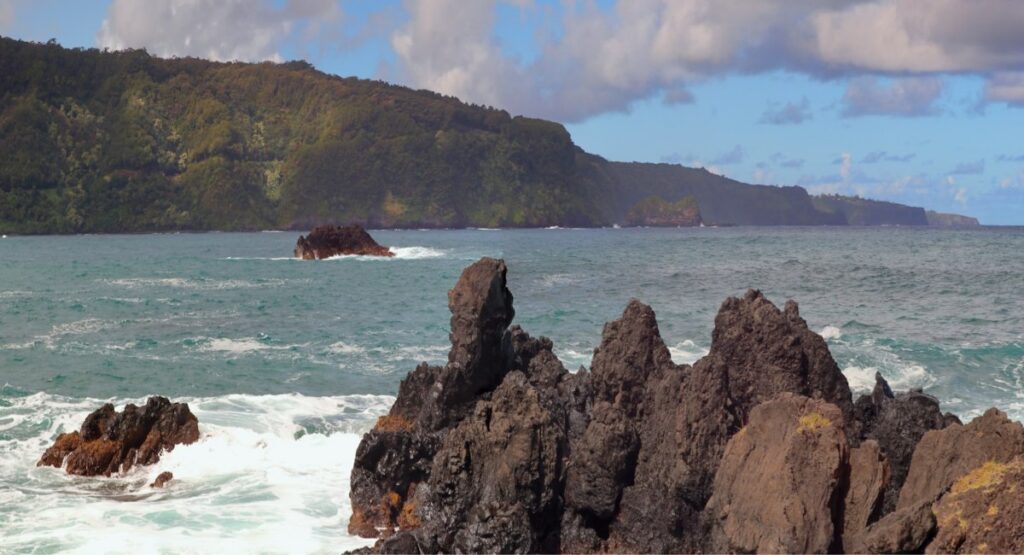
Your next stop would be the Keʻanae Peninsula. It is an ancient lava flow jutting into the Pacific that looks like it was ripped straight out of a geology textbook. The contrast between black volcanic rock and turquoise water is stunning. Keʻanae remains an active taro-farming community, where Hawaiian families continue to care for loʻi (taro patches) fed by freshwater streams flowing through stone channels built generations ago.
Walk carefully across the lava—it’s sharp underfoot, porous and rough like frozen black foam. Waves crash against the rocks with such force you can feel the impact through your feet, the ocean sending spray thirty feet into the air. The taste of salt settles on your lips.
Drive down toward the coast and pull over only where parking is clearly permitted. Take time to enjoy the views and the sound of waves meeting lava rock — a steady rhythm that invites you to pause and take it all in.
Halfway to Hāna (Mile Marker 17)
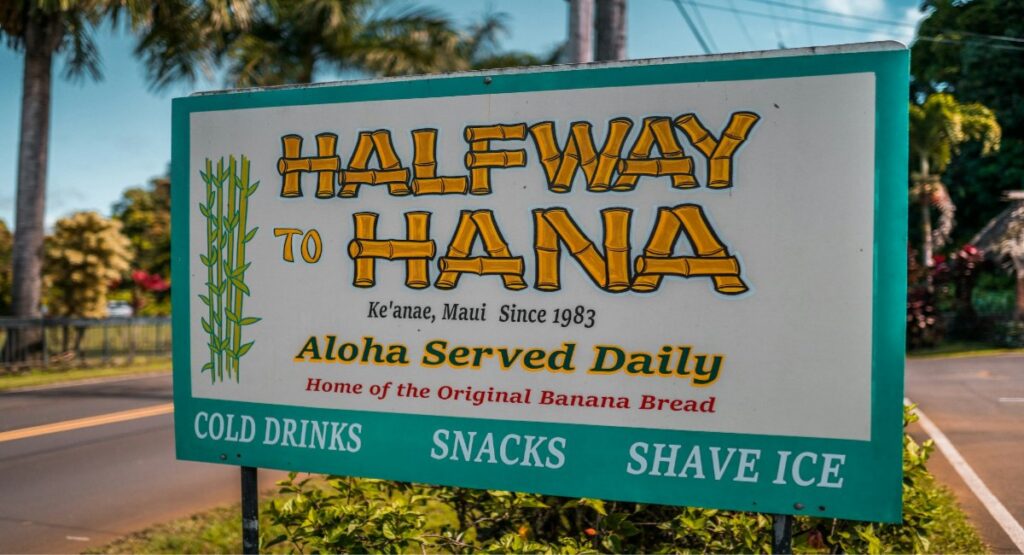
This humble fruit stand is famous for one thing: banana bread. The smell hits you while you’re still parking—warm bread, caramelized banana, butter, and sugar creating an aroma so intoxicating you’ll buy three loaves without thinking. The flavors rotate (coconut, chocolate chip, pineapple), and most Maui residents will tell you it’s genuinely the best they’ve ever tasted.
Tear off a piece while it’s still warm. The crust crackles, giving way to a dense, moist interior studded with macadamia nuts that crunch between your teeth. This is what happiness tastes like.
Bring cash because they don’t accept cards. Get there early because they sell out fast. You might want to grab a loaf for later. Trust me, you’ll want it.
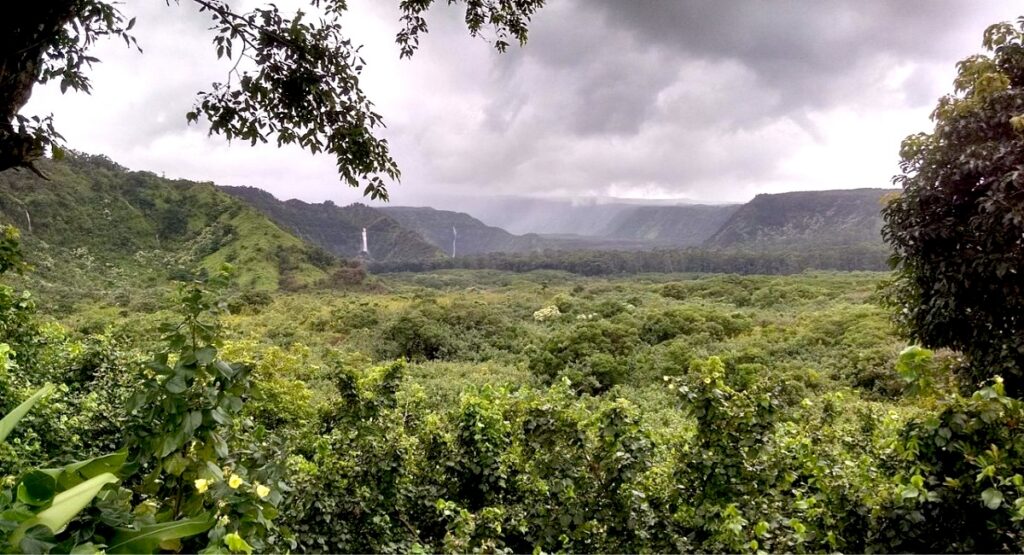
Wailua Valley State Wayside (Mile Marker 18)
Source: Mark Doliner, CC BY-SA 2.0, via Wikipedia Commons
It is an easy-to-miss overlook that provides sweeping views of Wailua Valley’s taro fields meeting the ocean. The overlook faces a valley where taro fields are still actively farmed today.
The valley spreads before you in shades of green impossible to name—from the almost-black of wet taro leaves to the pale jade of new bamboo shoots. A stream threads silver through the landscape, catching sunlight as it tumbles toward the sea. The wind carries the scent of earth and growing things.
Take a very short staircase to the viewpoint. It takes 10 minutes max, but you’ll be glad you stopped.
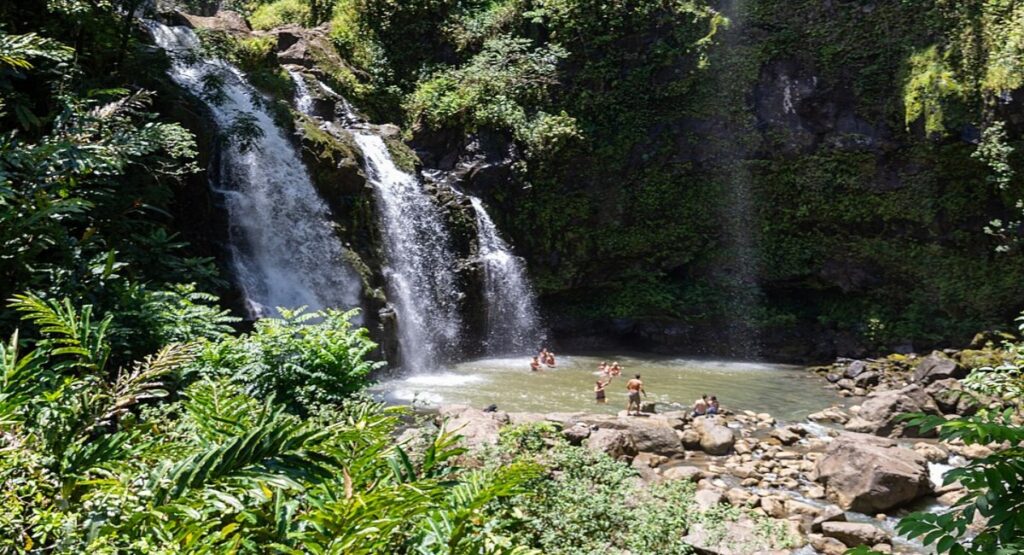
Upper Waikani Falls (Mile Marker 19)
Source: dronepicr, CC BY 2.0, via Wikipedia Commons
This is also called Three Bears Falls because three cascades tumble down side by side. When the flow is good, this is absolutely spectacular. You can see it right from the road.
Listen to the different voices—the leftmost falls roars bass-deep, the middle one splashes with a lighter rhythm, and the rightmost whispers over moss-covered rocks. Together they create a symphony that drowns out the highway noise completely. Mist drifts across the road, coating your windshield with diamonds.
While dry days may leave the falls quieter. Use caution when stopping, pull over only where permitted, and be aware that wet conditions can make the area slick and unsafe.
Puaʻa Kaʻa State Wayside Park (Mile Marker 22)
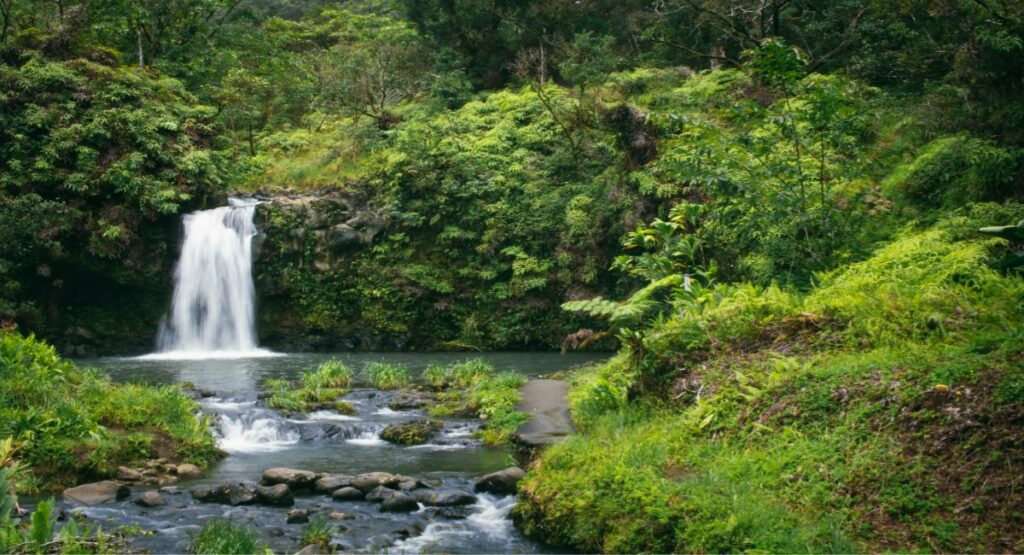
It features small waterfalls right next to the picnic area. You can typically walk 50 feet and be standing at the base of a jungle waterfall. The trail is also short and accessible.
The water here is cold—mountain-fed and so clear you can count pebbles six feet down. Wild ginger blooms nearby, its perfume mixing with the mineral smell of wet stone. Be aware that conditions can change quickly after rain, so use caution around wet rocks and fast-moving water, and check posted notices before entering.
This is a solid lunch spot. Restrooms are available, and the sound of falling water beats any restaurant ambiance.
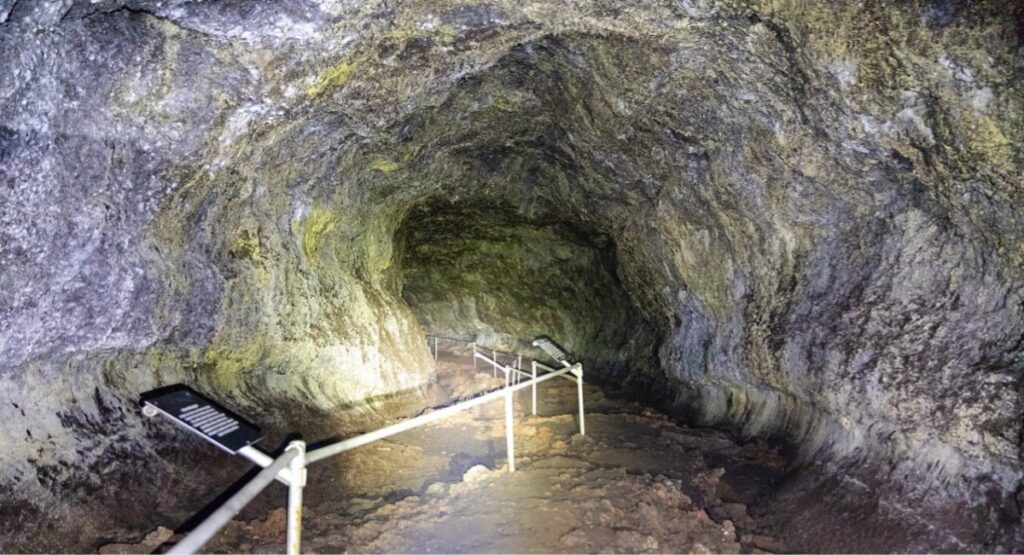
Hāna Lava Tube (Mile Marker 31, off ʻUlaʻino Road)
Source: dronepicr, CC BY 2.0, via Wikipedia Commons
The Hāna Lava Tube is a privately owned site that lets you walk through volcanic tunnels formed by lava flows thousands of years ago. It’s cool (literally and figuratively) and unlike anything else on the drive.
Descend into darkness and feel the temperature plummet. Your flashlight beam catches on twisted rock formations—frozen rivers of molten stone from eruptions centuries ago. The air smells ancient, like minerals and time itself. Water drips somewhere in the darkness, each drop echoing through chambers you cannot see.
They provide flashlights. You should budget 30-45 minutes for the self-guided tour.
Waiʻanapanapa State Park (Mile Marker 32)
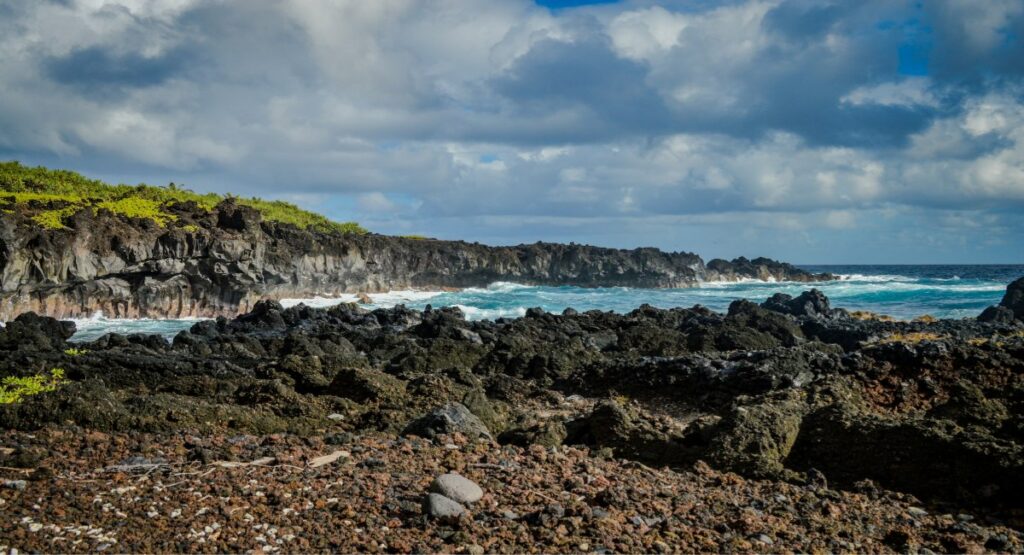
This is the crown jewel of many people’s Hāna journey. Paʻiloa Beach’s black sand and pebbles create an otherworldly landscape. The park also features lava tubes, sea caves, a natural blowhole, and coastal trails steeped in Hawaiian legend.
Walk barefoot on the black sand and feel the heat—even through clouds, the dark grains absorb warmth and release it against your soles. The sand squeaks as you walk, black glass ground fine by centuries of waves. Pick up a handful and let it stream through your fingers, each grain a tiny prism catching light.
The ocean here sounds different—waves crash against lava shelves with explosive force, sending spray high into the air where trade winds catch it and fling it inland. You’ll taste salt hours later, feel the grit of volcanic sand in your hair when you shower back at your rental.
It requires advance reservations for non-residents. Give yourself at least an hour here. The black sand beach alone is worth the drive.
Hāna Town (Mile Marker 33)

Source: dronepicr, CC BY 2.0, via Wikipedia Commons
Here is your chance to gas up, grab some food, use actual bathrooms, and explore authentic small-town Maui. Hasegawa General Store is an institution worth visiting. The vibe is wonderfully unhurried.
Time moves more slowly in Hāna Town. The general store smells like the past—old wood floors, fishing tackle, and sunscreen, mixed with the sweet scent of pineapple from the fruit stand outside.
Don’t just rush through. If you have time, explore. Hāna has a pace that forces you to slow down, and that’s exactly what makes it special.
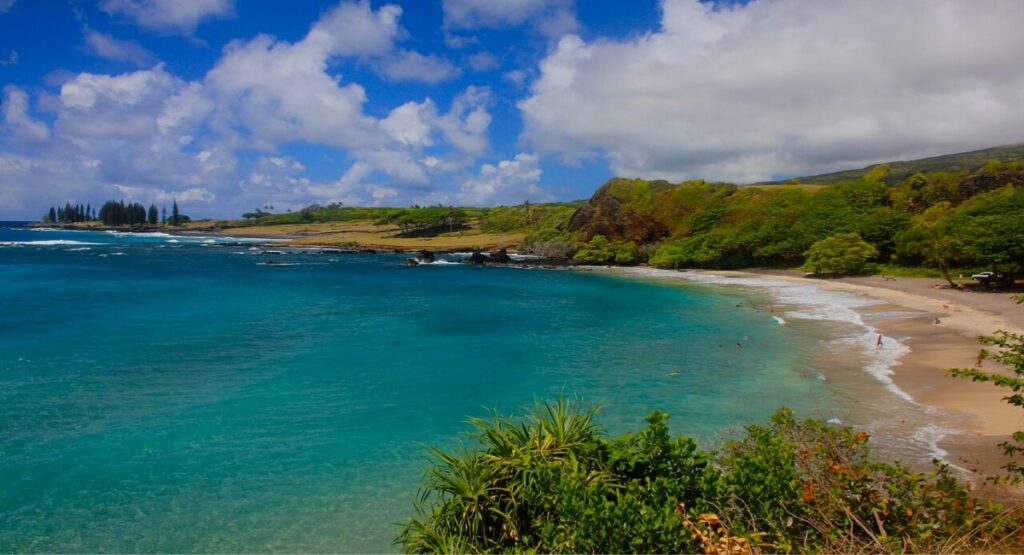
Hamoa Beach (Past Hāna)
Source: Navin75, CC BY 2.0, via Wikipedia Commons
If you continue past Hāna Town, this crescent-shaped beach offers excellent swimming when conditions allow. The turquoise water and white sand feel like a reward for making it this far.
The sand here is powdery soft, squeaking beneath your feet with each step. Wade into the water and feel the temperature gradient—warm at the surface where the sun has heated it, then suddenly cool as currents sweep in from the deeper ocean. Salt water buoys you up, gentle swells lifting and lowering you in a rhythm older than memory.
Local families who know these waters well will tell you: watch the surf and current patterns before entering, especially during winter months when swells increase. There are no lifeguards here. Check ocean conditions carefully, and if you see monk seals or sea turtles resting on shore, keep at least 50 feet back — these endangered animals are protected by federal law and need space to rest.
Our team at Maui Paradise Properties can provide current conditions and safety guidance for beaches along your route. Give wildlife space, tread lightly, and pack out anything you bring with you.
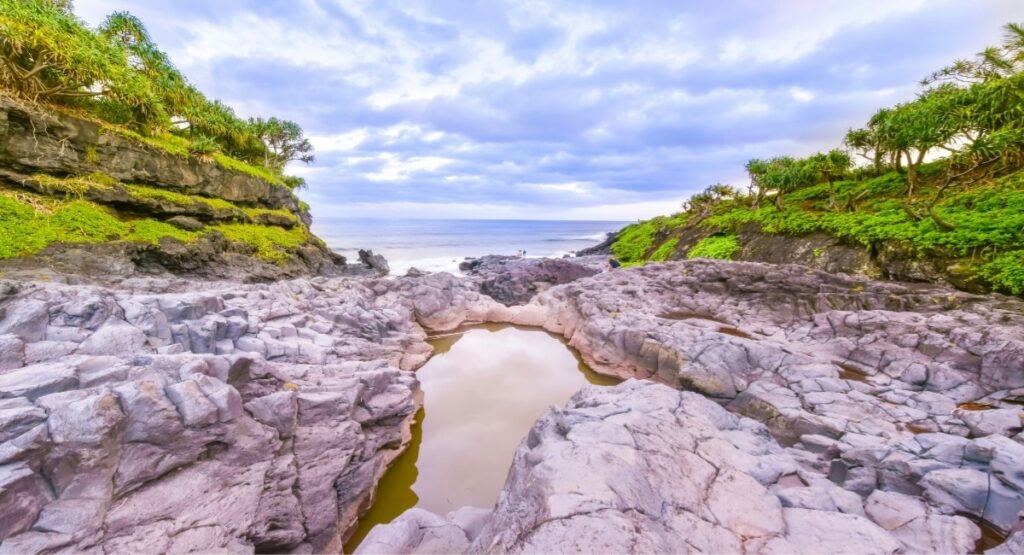
Oheʻo Gulch/Seven Sacred Pools (Mile Marker 42, Kipahulu)
Source: Unsplash
ʻOheʻo Gulch, also known as Seven Sacred Pools, is part of Haleakalā National Park and features tiered pools and waterfalls that create an unforgettable setting. Waimoku Falls (accessed via Pipiwai Trail) drops 400 feet through a bamboo forest.
At the pools themselves, water moves endlessly—cascading from one tier to the next, each pool a different shade of blue or green depending on depth and mineral content. Mist hangs in the air, catching rainbows in the afternoon light.
Entry requires a Haleakalā National Park pass. If you visited the summit for sunrise within the past 3 days, your pass covers this. Always observe posted notices and park guidance.
How Should You Plan Your Road to Hāna Drive?
Successful Road to Hāna trips require early starts, flexible timing, and realistic expectations about what you can accomplish in one day.
This is where I see people make their biggest mistakes. They try to hit every single stop and end up stressed, rushed, and driving home in the dark. Let’s avoid that.
When Should You Start Driving to Hāna?
Leave between 6 and 7 am. I know you’re on vacation and want to sleep in. But here’s the reality: you’re likely visiting from a later time zone, and starting early generally means a calmer, more peaceful experience at waterfalls and viewpoints before crowds build. The dawn light paints everything gold and pink, and the jungle is alive with birdsong that fades once day-trippers arrive. By the time the tour buses and rental car crowds arrive at 10 am, you’ll be miles ahead.
The out-and-back Road to Hāna drive typically takes 10–12 hours round-trip with reasonable stops. If you leave at 8 am, you’re likely getting back after dark. The road is challenging enough in daylight. You don’t want to be navigating those tight curves and one land bridge at night.
Note: The “backside” (Hāna–Kaupō) route conditions can change and are sometimes closed or restricted. Always check the current road status through the Hawaiʻi Department of Transportation or your rental car agreement before planning a full loop.
What Should You Bring for the Road to Hāna?
You should pack like you’re going on a day hike, because essentially, you are. Here’s my must-have list:
- Full tank of gas (critical because there are limited stations)
- At least 2 liters of water per person
- Substantial snacks and lunch (fruit stands are great, but may not always be open)
- Reef-safe sunscreen (Hawaiʻi law requires this)
- Cash for fruit stands and banana bread
- Swimsuit and towel
- Good walking shoes that can get wet
- Light rain jacket for surprise showers
- Portable phone charger or power bank
What Driving Tips Make the Road to Hāna Safer?
Drive slowly, stay alert, and embrace the aloha spirit with other drivers.
The Road to Hāna isn’t technically difficult if you respect it. Drive safely and attentively, use pullouts often to let faster traffic pass, and remember that Maui residents drive this road daily for work. They know every curve. You don’t. Let them go.
One-lane bridges have right-of-way rules: uphill traffic yields to downhill. When in doubt, if you can see the other car first, let them cross. Make eye contact, throw a shaka, and move through safely.
Cell service is spotty at best, so download your maps and guides beforehand. Don’t count on GPS working everywhere.
Should You Drive the Full Loop or Turn Around?
The road beyond Kīpahulu is currently closed to through traffic. Plan your Road to Hāna as an out-and-back journey, retracing your route to return. This gives you the chance to stop at places you missed on the way out or revisit favorites in different light.
Road conditions can change quickly, and closures do occur, so be sure to check the current status before committing and plan for additional time.
Where Should You Stay for Your Road to Hāna Trip?
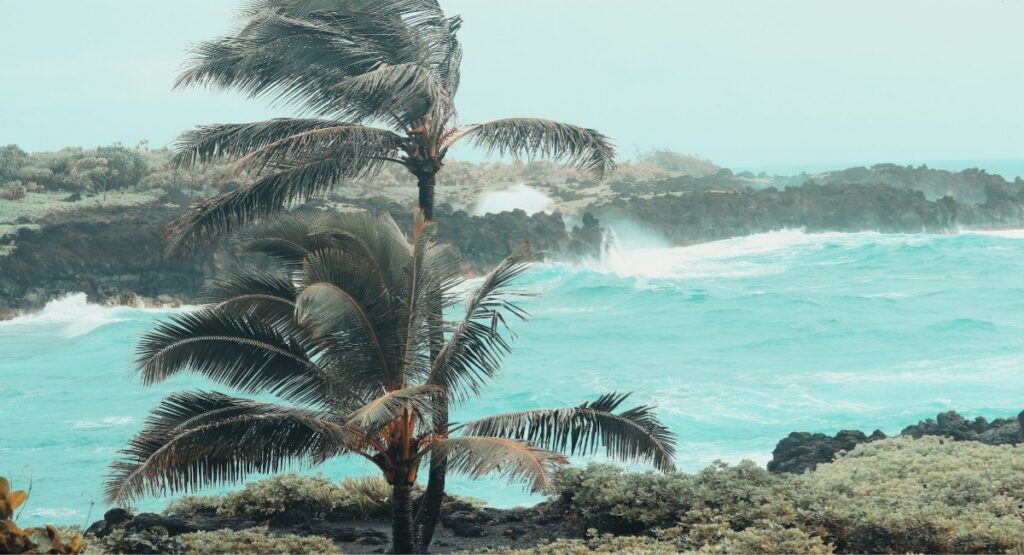
For most visitors, the Road to Hāna is one of many highlights on a Maui trip — a full, memorable day woven into a vacation that also includes beaches, snorkeling, dining, and time to unwind.
Because of that, many travelers choose to stay in South or West Maui, where there’s more variety in accommodations and easier access to everything else Maui has to offer. Areas like Kīhei, Wailea, Kā‘anapali, Nāpili, and Kapalua make it easy to enjoy the rest of your trip while setting aside a single day for the drive.
For those who want to slow things down or turn the journey into a two-day experience, spending a night in Hāna can be a rewarding option. Just know that accommodations are limited and amenities are fewer compared to other parts of the island.
The right choice comes down to how you want your Maui trip to flow — whether the Road to Hāna is one standout day, or a deeper, more immersive detour.
Why stay in West or South Maui Properties?
For most travelers, basing your stay in West or South Maui offers the best balance of convenience, comfort, and variety. Areas like Kīhei, Wailea, Kā‘anapali, Nāpili, and Kapalua put you close to beaches, snorkeling, dining, and resort amenities — while still allowing you to plan the Road to Hāna as a dedicated day trip.
Staying in these regions means your vacation isn’t built around one long drive. You can enjoy slower mornings, sunset dinners, and beach days, then choose the right day to tackle the Road to Hāna when weather and energy align. With more vacation rental options and services nearby, West and South Maui make it easier to experience Maui at a relaxed, well-paced rhythm.
Our West and South Maui vacation rentals are ideal for travelers who want the Road to Hāna to be one highlight among many — without sacrificing comfort, flexibility, or access to the rest of the island.
What About Staying in Hāna Overnight?
Spending a night in Hāna transforms the trip completely. Instead of rushing through in one exhausting day, you can split it into two leisurely adventures. You can catch sunrise at Waiʻānapanapa’s black sand beach. Explore Hāna Town at your own pace. Take that longer hike to Waimoku Falls.
That said, overnight stays in Hāna are best suited for those comfortable with fewer amenities and a quieter, more remote setting. Accommodations are limited, dining options are fewer, and the overall experience is very different from staying elsewhere on Maui.
For some, that’s exactly the appeal — and for others, it’s the perfect add-on rather than the foundation of their stay.
How Does Your Accommodation Choice Affect the Experience?
Staying at our vacation properties means local expertise and insider knowledge come with your booking. We know which fruit stands have the freshest smoothies, which waterfalls flow best after last night’s rain, and which pullouts offer the safest parking.
When you book directly through Maui Paradise Properties, you’re not just getting a place to sleep. You’re getting access to decades of knowledge about making the most of your Maui adventure.
Turn Your Road to Hāna Dream into Reality
Your Road to Hāna adventure awaits, and it starts with the right home base. Are you ready to experience Maui the way it’s meant to be experienced? Have a look at our collection of Maui vacation rentals and discover properties that put you within minutes of the island’s most incredible adventures.
Frequently Asked Questions
What not to miss on the Road to Hāna??
Don’t miss Waiʻānapanapa State Park’s black sand beach, the Halfway to Hāna banana bread stand, and Keʻanae Peninsula’s dramatic lava rock coastline. Rainbow eucalyptus trees at Mile Marker 7 are also stunning after rain.
How long does it take to do the Road to Hāna??
The drive takes 2.5 to 4 hours one way without stops, but you should plan 10-12 hours total for a proper experience. This includes time for waterfall swimming, photo stops, lunch, and exploring Hāna Town. If you only have 6-8 hours, consider turning around at Waiʻānapanapa State Park rather than trying to rush through everything.
Do you need a guide for the Road to Hāna??
A guide isn’t required, but audio tour apps can enhance your experience by providing cultural context and helping you locate stops. Many visitors successfully drive independently using mile markers – bookmark or save this guide for your trip.
How early should I start the Road to Hāna??
Leave between 6 and 7 am for the best experience. This timing lets you enjoy popular stops before tour buses arrive around 10 am. Starting your journey on time also ensures you return before dark (if you don’t want to stay overnight) and maximizes your day.
How much does it cost to do the Road to Hāna??
The total cost per person ranges from $75 to $150+. Budget $40-$80 for gas (full tank required), $15-$30 for Garden of Eden admission and Hāna Lava Tube entry if you choose these stops, and $20-$50 for food, depending on whether you pack lunch or eat at restaurants. Most stops, including waterfalls, beaches, and state parks, are free.


.jpg)

.jpg)
.jpg)

