

Quick Summary: Maui offers incredible hiking diversity from lush bamboo forests to volcanic craters. The top 5 must-do trails include Waimoku Falls via Pipiwai Trail’s 4-mile journey through a bamboo forest, Sliding Sands Trail into Haleakalā crater with otherworldly landscapes, Waiheʻe Ridge Trail offering coastal and valley views, Twin Falls for waterfall swimming, and Lahaina Pali Trail with panoramic island views. Most trails are accessible year-round, with $30 National Park entrance fees for Haleakalā trails. Always respect Hawaiian culture and mālama ʻāina (care for the land), stay on marked trails, and leave nothing but footprints behind you. Book your perfect Maui base with Maui Paradise Properties and start planning your island adventure.
What Makes Maui’s Hiking Trails So Special?
Maui offers extraordinarily diverse climates that never fail to surprise me. One morning you’re walking through a mystical bamboo forest where wind chimes seem to play themselves, and the next, you’re standing on Mars-like terrain at 10,000 feet, watching silversword plants shimmer in the alpine sun. It’s this extraordinary diversity packed into just 727 square miles that makes Maui hiking truly magical.
What strikes me most isn’t just the scenery, though trust me, it’s spectacular, but the deep cultural connection woven into every step. On Maui, hiking is more than a scenic walk; it’s a chance to move with intention and learn from the landscapes shaped by culture, history, and nature.
Whether you’re seeking that perfect family waterfall adventure or ready to challenge yourself on a volcanic crater descent, Maui delivers experiences that stick with you long after you’ve returned home. The combination of year-round hiking weather, well-maintained trails, and those “pinch-me-I’m-really-here” views creates hiking memories you’ll be talking about for years.
How Do I Choose the Right Maui Hiking Trail for My Group?
My advice? When navigating trail choices, success comes down to honest assessment and smart planning. Start with your group’s fitness reality, not their aspirations. Then factor in time availability, weather conditions, and what type of scenery you want to experience.
For families with young kids or nervous first-timers, Twin Falls Trail and Kapalua Coastal Trail offer that perfect sweet spot of “wow” factor without the intimidation. Intermediate hikers ready for more challenge will find their groove on 4-6 mile adventures, while experienced trail veterans should definitely tackle the crater hikes that’ll give them serious bragging rights.
Weather plays a crucial role in trail selection. The Pipiwai Trail area can see rain two-thirds of the month, even during “dry season” (April-October), so pack accordingly. For sunrise hikes like Haleakalā, bring warm layers. The temperature difference between sea level and 10,000 feet will shock you.
What Are the 5 Most Popular Hiking Trails on Maui?
These five trails have earned their reputation as Maui’s most beloved hiking experiences, offering diverse landscapes and unforgettable adventures.
1. Waimoku Falls via Pipiwai Trail: The Bamboo Forest Adventure
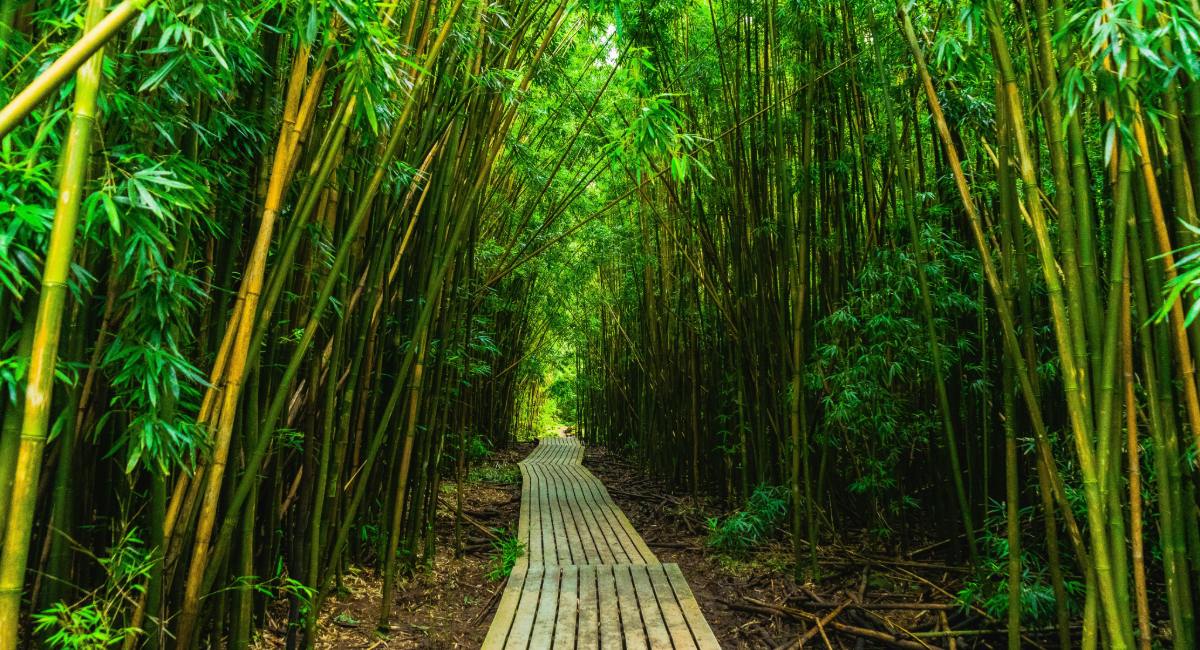
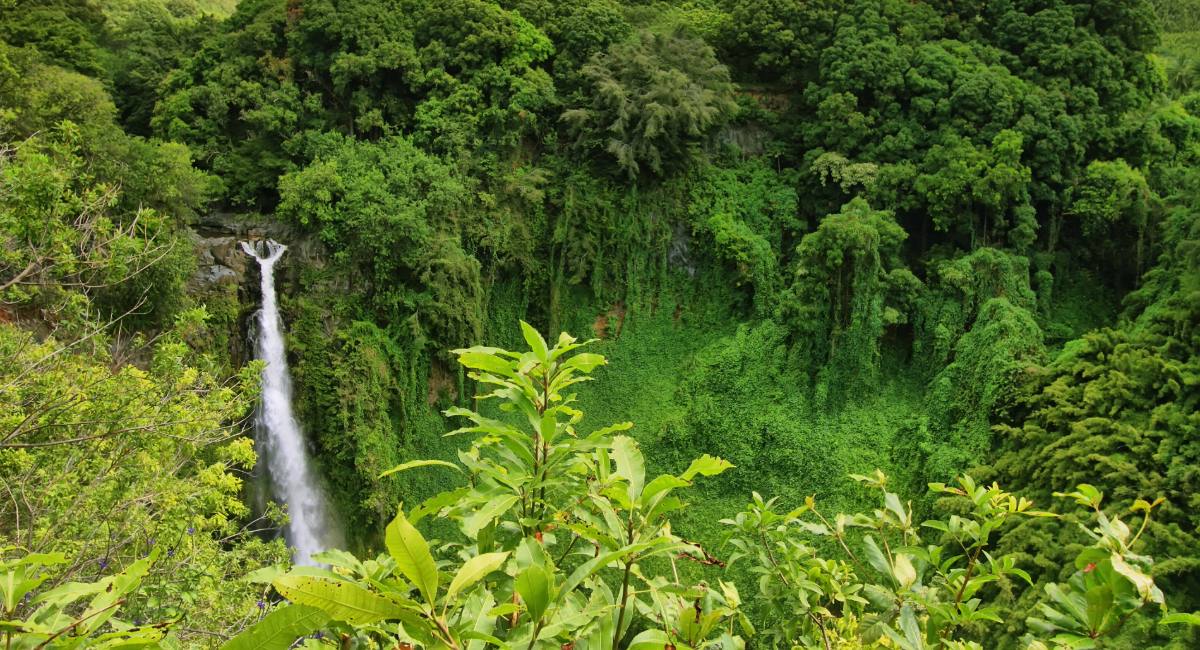
This trail is pure magic, and I don’t use that word lightly. The 3.8-mile journey through lush jungle and bamboo forest is considered by many to be the best hike on the island. The trail to thundering 400-foot Waimoku Falls begins near the famous ʻOheʻo Gulch and weaves through Haleakalā National Park’s Kipahulu District. The path features a massive 100+ year old banyan tree and stunning views of Makahiku Falls. Every turn reveals something new, making it a full-sensory experience you’ll never forget.
Trail Details:
- AllTrails Name: Waimoku Falls via Pipiwai Trail
- Trailhead: Kipahulu Visitor Center, Haleakalā National Park, 96713
- Distance: 3.8 miles round-trip
- Elevation Gain: 908 feet
- Hike Duration: 2-4 hours
- Difficulty: Moderate
- Drive Time: 3+ hours from most Maui resorts (via Road to Hana)
- Parking: Large paved lot plus unpaved overflow
- Entry Fee: $30 per vehicle, $25 motorcycle, $15 per person on foot/bike
Trip Tips: Arrive by 9 AM when gates open. Early mornings offer easier parking and a quieter experience through the bamboo forest. The trail stays relatively cool thanks to forest canopy coverage, but trust me when I say: wear shoes you can sacrifice to the mud. This trail will test your footwear’s commitment to staying clean.
2. Sliding Sands (Keonehe’ehe’e): Journey into Haleakalā Crater
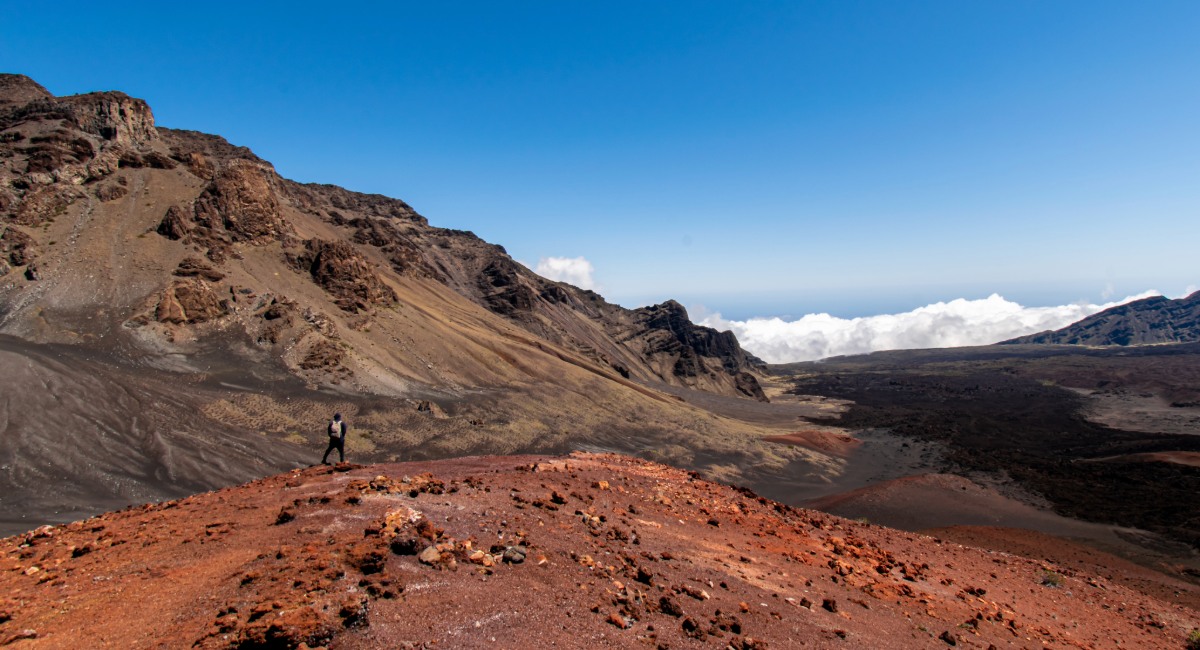
If hiking the Pipiwai Trail is like entering a fairy tale, then Sliding Sands is like stepping onto another planet. The moment you begin your descent from Haleakalā’s summit, you’re transported to a landscape so otherworldly that NASA has actually used this area for Mars research. From silversword plants to the crater’s bright and rusty palette, this trail is a photographer’s dream that changes with every cloud shadow. Those staying in the cooler Upcountry Maui region will find this an ideal day adventure.
Trail Details:
- AllTrails Name: Sliding Sands (Keonehe’ehe’e)
- Trailhead: Haleakalā Visitor Center, Summit District, 96768
- Distance: 2-11.2 miles (choose your turnaround point)
- Elevation Gain: 3,054 feet for full trail (mostly on return)
- Hike Duration: 2-8 hours, depending on distance
- Difficulty: Moderate to Hard (due to return climb at altitude)
- Drive Time: 2 hours from most Maui locations
- Parking: Large lot (arrive early for sunrise viewing)
- Entry Fee: $30 per vehicle, $25 motorcycle, $15 per person on foot/bike
Trail Tips: Most people underestimate this hike because the first part is all downhill, it feels deceptively easy. But remember, whatever elevation you lose going down, you’ll have to gain coming back up at altitude where oxygen is thinner. Plenty of overconfident hikers struggle on the return. The park service recommends turning around at 2.5 miles for day hikers, and trust me, they know what they’re talking about.
3. Waiheʻe Ridge Trail: Panoramic Valley and Ocean Views
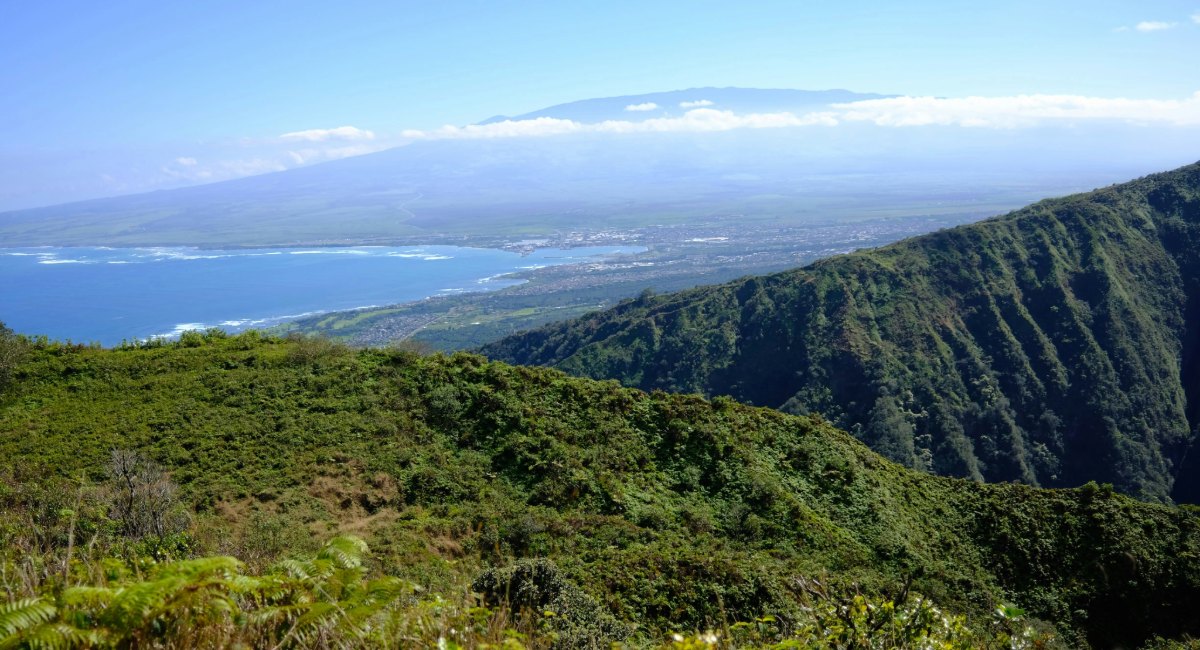
This trail in the West Maui Forest Reserve delivers some of the most dramatic scenery you’ll find on the island. The 4-mile round-trip journey might leave your legs burning, but the 360-degree views from the summit will leave you speechless. At 2,563 feet, the views span from the emerald valleys of Waiheʻe Gorge to the sparkling Pacific. On clear days, you might spot rare native birds like the Hawaiian honeycreeper, making this trail a favorite among both hikers and birders.
Practical Details:
- AllTrails Name: Waiheʻe Ridge Trail
- Trailhead: Maluhia Road off Kahekili Highway, Wailuku, 96793
- Distance: 4.0 miles round-trip
- Elevation Gain: 1,610 feet
- Hike Duration: 2 hours 50 minutes average
- Difficulty: Moderate with steep sections
- Drive Time: 45 minutes from West Maui resorts, 25 minutes from Kahului
- Parking: Small lot (gates open 7 AM; arrive early or park 0.8 miles away)
- Entry Fee: Free
Trail Tips: Arrive when the gates open at 7 AM or risk adding nearly a mile each way to your hike. The small parking area fills fast, and the overflow lot is a significant walk away. But even more importantly, morning hikes offer clearer views before afternoon clouds start building around the peaks.
4. Twin Falls Trail: Family-Friendly Waterfall Adventure

Don’t let the modest 1.8-mile distance fool you; this trail delivers big when it comes to waterfall payoff. Located just 35 minutes from the airport, it’s become a must-visit spot for good reason. The easy trail following Hoʻolawa liʻiliʻi stream provides access to multiple waterfalls and swimming opportunities, making it perfect for families or anyone wanting a quick tropical adventure without committing to a full day.
Trail Details:
- AllTrails Name: Twin Falls Trail
- Trailhead: Mile Marker 2, Hana Highway (360), Haiku, 96708
- Distance: 1.8 miles round-trip
- Elevation Gain: 347 feet
- Hike Duration: 53 minutes average
- Difficulty: Easy to moderate (though stream crossings and uneven ground can make footing tricky in spots)
- Drive Time: 35 minutes from Kahului Airport, 20 minutes from Paia
- Parking: 55 paid spots at $10 per car (first-come, first-served)
- Entry Fee: $10 parking fee
Trail Tips: The fruit stand at the entrance is part of what makes Twin Falls special. It’s run by the landowners who’ve generously opened this beautiful trail to visitors. Purchasing a fresh coconut or smoothie is a small way to show your appreciation. And yes, bring those water shoes; the stream crossings are part of the fun, but your feet will thank you for the extra grip.
5. Lahaina Pali Trail: Historic Path with Panoramic Views
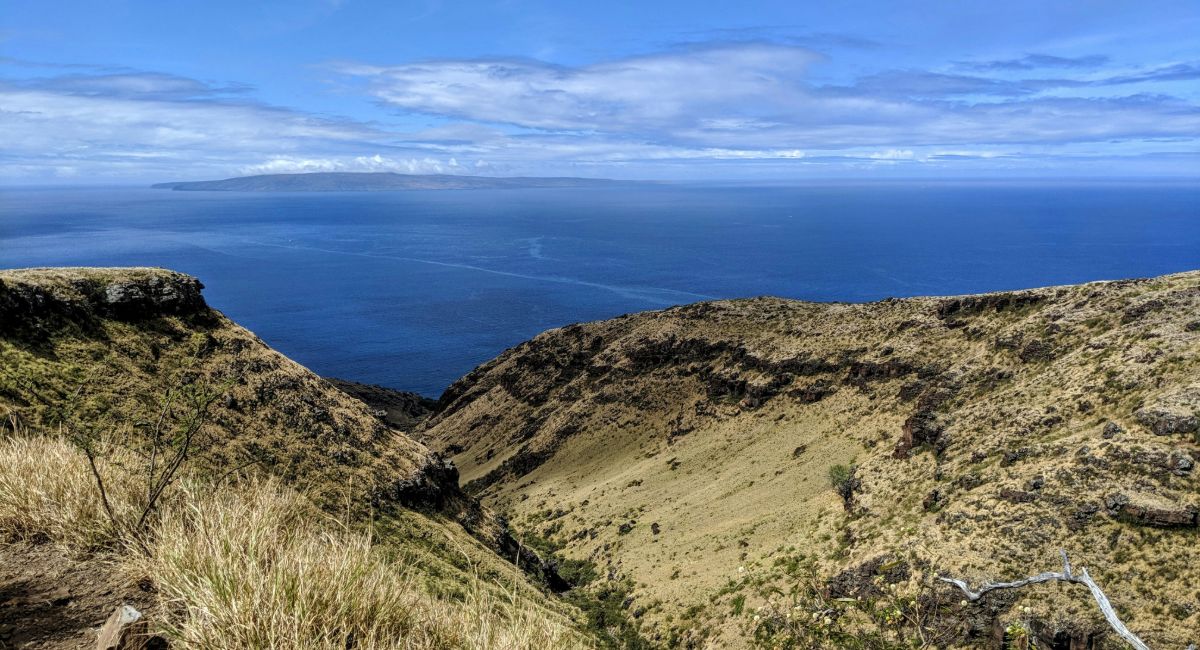
This challenging 5-mile trail offers a glimpse into Hawaiian history, following the original Old Pali Road hand-built in the 1800s, an experience that blends physical challenge with historical reflection. Passing through the Kaheawa Wind Farm, the trail offers stunning panoramic coastline views of Kahoʻolawe, Lanaʻi, and Molokini Crater.
Trail Details:
- AllTrails Name: Lahaina Pali Trail
- Trailhead: Ukumehame Trailhead: Highway 30, 0.25 miles north of Pali tunnel; Maʻalaea Trailhead: End of unimproved road near junction of Kuihelani Highway (380) and Kihei Road (31)
- Distance: 5.0 miles point-to-point, 10 miles round-trip
- Elevation Gain: 1,564 feet
- Hike Duration: 3 hours 6 minutes average for one-way
- Difficulty: Challenging
- Drive Time: 15 minutes from South Maui locations
- Parking: Ukumehame has a designated lot; Maʻalaea requires drop-off (no parking facilities)
- Entry Fee: Free
Trail Tips: This trail earned its “challenging” rating honestly. There’s virtually no shade, the terrain is rocky lava that demands your attention with every step, and the sun can be relentless. I recommend the east-to-west direction starting before sunrise. You’ll climb with the mountains providing some shade, then descend with ocean breezes cooling your back. And seriously, bring twice the water you think you need and reapply sunscreen.
Are there Quieter Trails Worth Exploring on Maui?
Beyond the well-known hikes are trails that offer peaceful experiences and different perspectives on Maui’s natural beauty.
Kapalua Coastal Trail: Easy Ocean Views

This gentle 1.5-mile coastal walk perfectly captures the laid-back elegance that makes Kapalua special. With minimal elevation change and constant ocean views, it’s ideal for those seeking beauty without the burn. The trail can get quite windy—hat-holding windy—but those breezes also keep you cool and comfortable. Those staying at West Maui accommodations will find this practically on their doorstep.
Makawao Forest Reserve: Misty Mountain Trails
Up in the cool elevations around Makawao, these forest trails offer a completely different Maui experience. Think misty mornings, towering eucalyptus and pine trees, and that crisp mountain air that makes you forget you’re in the tropics. It’s popular with mountain bikers too, so stay alert, but the cooler temperatures and shaded paths make this a perfect escape from beach heat.
La Perouse Bay (Hoapili Trail): Lava Field Adventure
For something completely different, this trail takes you across relatively recent lava flows to archaeological sites that speak to Hawaii’s ancient past. The landscape feels almost lunar, but the coastal views and possible wildlife sightings, including monk seals, goats, and seasonal humpback whales, keep things lively.
What Should I Know About Hiking Safety and Cultural Respect?
Hiking in Maui isn’t just about chasing waterfalls or jaw-dropping views; it’s about moving through a living, breathing landscape with awareness, respect, and care.
Cultural Respect Guidance
To truly experience Maui’s trails, it helps to understand mālama ʻāina: the Hawaiian value of caring for the land. This means respecting the deep spiritual connection Hawaiians have with their ancestral places. Signs marking sacred sites or “kapu” (off-limits) areas aren’t suggestions; they protect culturally important spaces. Stay on marked trails and respect sacred or off-limits areas. Resist the urge to pick flowers, stack rocks, or disturb the environment in any way.Respect local wildlife, too. Hawaiian monk seals and green sea turtles are federally protected and hold deep cultural significance. Never touch or feed them—observe from a distance.Your respect helps preserve these places for everyone who comes after you.
Essential Safety Tips
Maui’s beauty can be deceiving if you’re unprepared. Even well-maintained trails can present risks, especially when weather or terrain changes quickly.
- Flash floods are a serious hazard on waterfall hikes—never enter streambeds or cross rivers if rain is in the forecast, even if it’s just nearby.
- Sun exposure is strong year-round, especially at higher elevations like Haleakalā. Wear reef-safe sunscreen, sunglasses, a hat, and light layers for sun protection.
- Stay hydrated. Bring more water than you think you need—especially on longer or exposed hikes like Waiheʻe Ridge or Lahaina Pali Trail.
- Footwear matters. Volcanic rocks can be slick and sharp. Wear sturdy shoes with good traction and avoid sandals.
- Stick to marked trails to avoid injury, erosion, and getting lost. Many rescues in Hawaiʻi happen due to hikers straying off-path.
- Be cautious near cliffs and drop-offs. Trail edges can crumble or be overgrown—stay alert and avoid taking risks for photos.
A little preparation goes a long way. Respect the land, know your limits, and hike with intention.
When Is the Best Time to Hike in Maui?
Maui’s year-round hiking weather is one of its greatest gifts, but timing your adventures can make the difference between a good hike and an unforgettable one.
Seasonal Considerations
Dry Season (April-October):
- Even during “dry season,” the Pipiwai Trail area sees rain almost 2/3 of the month
- Generally, less muddy conditions on most trails
- Warmer temperatures require more water and sun protection
- Better visibility for panoramic ridge hikes
Wet Season (November-March):
- More rain, especially during winter months, makes trails muddier and more slippery
- Cooler temperatures, especially at elevation
- Fuller waterfalls and more lush vegetation
- Humpback whale season adds wildlife viewing opportunities
Daily Timing Strategy
Start your hike early, ideally between 6 and 9 AM. Gate openings at spots like Kipahulu align with the best conditions: fewer crowds and serene, nearly empty trails. Hitting the trail even an hour or two later can drastically change your experience. Morning light adds a magical glow to bamboo forests and crater walls, creating unbeatable photo opportunities, and cooler temps make the uphill climbs far more pleasant.
By late morning and into the afternoon, trailheads become crowded and parking turns chaotic, especially after 2 PM. Overflow lots that look fine on a map often add unexpected distance and effort to your hike. Planning ahead helps you avoid the crowds and ensures your energy goes into the hike, not just reaching the trailhead.
What Gear Do I Need for Maui Hiking?

According to the National Park Service, proper preparation is essential for safe hiking in Hawaii’s diverse environments. The right gear can make all the difference between an epic adventure and an uncomfortable ordeal.
Essential Gear Checklist
Footwear:
- Hiking shoes with aggressive tread (not your athleisure sneakers)
- Water shoes or sturdy sandals for waterfall hikes
- Extra socks—trust me on this one
Clothing:
- Moisture-wicking shirts that dry quickly
- Lightweight, quick-dry shorts or pants
- Light jacket for bamboo forests and high-elevation hikes
- Hat with a chin strap (Maui’s trade winds are no joke)
Navigation & Safety:
- More water than you think you need (double it)
- High-energy snacks and lunch for longer hikes
- Reef-safe sunscreen (30+ SPF minimum)
- Insect repellent for bamboo forests and valley hikes
- First aid basics and emergency whistle
- Waterproof phone protection
Photography & Extras:
- Camera with extra batteries (phone batteries drain fast with GPS)
- Portable charger for longer adventures
- Waterproof bag for electronics
- Cash for parking fees at places like Twin Falls
The key is preparing for Maui’s microclimates. You might start in 85-degree sunshine, hike through cool, misty bamboo forests, and end up on an exposed ridge with serious wind. Layering isn’t just smart, it’s essential for comfort and safety.
Ready to Explore Maui’s Epic Hiking Trails?
Maui’s trails offer more than just exercise with a view; they’re invitations to connect with one of the world’s most beautiful and culturally rich landscapes. From mystical bamboo cathedrals to otherworldly volcanic craters, each trail tells a different story about this remarkable island.
Hiking on Maui is an opportunity to mālama ʻāina, showing respect for the land that has supported Hawaiian culture for over a thousand years. Pack smart, start early, prioritize safety, and prepare to create those “best day ever” memories that keep calling you back to Maui. And when you’re done hiking, treat yourself at a local café or farm stand; supporting Maui’s small businesses is another great way to show aloha.
Book your perfect Maui base camp with Maui Paradise Properties and wake up ready for your next hiking adventure. From oceanfront condos to upcountry retreats, find the ideal accommodation to complement your Maui hiking journey.
____________________________________________________________________________
____________________________________________________________________________
Frequently Asked Questions
Can I hike Haleakalā trails without a guide?
Absolutely! Most Maui trails, including the spectacular Waimoku Falls via Pipiwai Trail, are designed for self-guided exploration. The trails are well-marked with clear signage, though Haleakalā National Park does charge a $30 entrance fee per vehicle. That said, guided tours can add valuable cultural context and advice that transforms a nice hike into a deeper understanding of Hawaiian culture and ecology.
Are dogs allowed on Maui hiking trails?
Trail policies vary significantly. Haleakalā National Park prohibits dogs on most trails to protect native wildlife, but state forest reserves like Waihe’e Ridge Trail welcome leashed companions. Always check specific trail regulations before heading out. Nothing ruins a planned adventure like having to turn around at the trailhead.
What’s the difficulty level for families with young children?
The Pipiwai trail is suitable for kids aged 4-6, who can walk 3-4 miles and handle well-maintained trails with two shallow stream crossings. The key is choosing trails that match your group’s actual hiking experience, not their enthusiasm. Start with shorter options like Twin Falls or Kapalua Coastal Trail before committing to longer adventures.
How crowded do the trails get?
Popular trails like Pipiwai can get quite busy during peak hours, due to easy National Park access and the half-million annual visitors to Haleakalā National Park. The solution? Arrive early. That 9 AM strategy I keep mentioning isn’t just about parking, it’s about experiencing these places in the peace they deserve.
What about trail closures and safety updates?
Trail conditions change regularly due to weather, maintenance, and safety concerns. Always check the Haleakalā National Park website before heading out, and visit Naʻ Ala Hele Hawaii State Trails for state trail updates. Consider downloading current conditions to your phone before losing cell service on remote trails. Nature doesn’t follow our vacation schedules, so having backup plans keeps your hiking adventures flexible and safe.
Let’s be real—choosing between Honolulu and Maui is like picking a favorite child. Both destinations deliver those jaw-dropping sunsets, warm trade winds, and aloha vibes that make Hawaii a dream destination. But once you dive beneath the glossy postcards, the personalities of Oahu and Maui couldn’t be more different.
As someone who’s hiked Diamond Head at sunrise and watched the sun set from the cliffs of Kapalua, I’ve come to learn that your dream Hawaiian escape depends on what kind of traveller you are.
So, let’s break down the real differences between Honolulu and Maui—without the fluff—and help you decide which island matches your travel style this year.
You’re Not Choosing an Island. You’re Choosing a Version of Yourself.
There’s a moment on every Hawaiian vacation—usually somewhere between your first barefoot walk on the beach and your third plate of poke—where time slows down, and something inside you shifts.
That shift feels different depending on where you are.
In Honolulu, it’s the rush of walking down Kalakaua Avenue with shaved ice in one hand and shopping bags in the other. It’s the thrum of street performers, neon signs, and the occasional ukulele spilling out of hotel lobbies like audio incense.
In Maui, it’s the stillness at 5:45 AM at the summit of Haleakala. The kind where you stop breathing, not out of awe, but because the silence is so complete, even your own inhale feels like a disruption.
So when people ask me, “Which island is better—Maui or Honolulu?” what they’re really asking is:
Who do I want to be on this trip?
The Psychology of Place: Honolulu is Dopamine, Maui is Serotonin
Travel isn’t just about geography—it’s about brain chemistry. Honolulu triggers dopamine. It’s fast-paced, flashy, and full of short-term thrills. Maui? She whispers. She deals in serotonin—the long, slow-blooming kind of joy that settles in your chest and lingers long after you’ve flown home.
Here’s what that means in real life:
| Experience | Honolulu (Dopamine) | Maui (Serotonin) |
| Wake-up view | 26th floor balcony, Waikiki surf below | Coconut palms swaying outside your lanai |
| Morning | Sunrise yoga at Ala Moana | Fresh banana bread on the Road to Hana |
| Midday | Pearl Harbor, poke bowls, Instagram snaps | Hidden waterfalls, sea turtles, and naps in a hammock |
| Night | Tiki bars, street food, neon lights | Sunset over Kapalua, wine on your lanai, stargazing |
Who Are You This Trip?
Let’s play a little travel personality quiz. It’s 2025—what are you craving?
If You Crave:
- Energy
- People
- Urban convenience
- Cultural density
Then, Honolulu is your playground. A place where your itinerary is packed and your senses stay wide open.
Stay at a high-rise hotel in Waikiki. Walk to everything. You’ll never be bored—and probably never quiet.
If You Crave:
- Space
- Stillness
- Sensory immersion
- Slow romance
Then Maui is calling. It’s not here to entertain you—it’s here to change you. It’s for barefoot thinkers, couples falling in love again, and people who need permission to stop chasing and just be.
Stay at a luxury condo in Wailea or someplace on the Hana coast. You’ll never want to leave—and that’s the point.
A Tale of Two Conversations
We interact with plenty of tourists from all over the world. I once met a couple on their honeymoon who spent four days in Honolulu before flying to Maui. Here’s what they told me:
“We loved Oahu. But as soon as we landed in Maui, it was like… our shoulders dropped. The air was different – softer. The pace is slower. It was the kind of calm we didn’t know we needed after all of the wedding planning.”
But I’ve also met solo travelers who felt too isolated on Maui. One woman told me:
“After two days, I missed the buzz of Honolulu. I wanted coffee shops with people watching and a city vibe, not winding roads and too much quiet.”
Neither is wrong. Each island reflects something back to you.
What No One Tells You (But We Will)
Here’s the real stuff—what blogs don’t usually say:
- Maui invites you to slow down. There’s no city noise to fill the silence—and that’s the beauty of it. It’s a place where simplicity shines, where you can breathe a little deeper, sleep a little longer, and reconnect—whether with your partner, your family, with nature, or just yourself. The stillness here isn’t empty. It’s restorative.
- Honolulu can be exhilarating—but intense. The beach is beautiful, yes, but Waikiki pulses with energy. It’s spectacle, not solitude. Don’t expect serenity unless you’re willing to seek it out on Oahu’s quieter shores.
- Both islands are popular, but Maui feels more personal. Even in the most luxurious resorts, Maui holds onto a sense of place. There’s a reverence in the way locals greet the day, a rhythm to life that’s less about what’s next and more about what’s now.
Where You Stay Shapes Who You Become
At Maui Property Paradise, we believe where you stay is more than a place to sleep—it’s where transformation begins. When you walk barefoot across cool tile floors, cook barefoot in a sunlit kitchen, or sip local coffee on your private lanai… you’re not just visiting Maui.
You’re living her.
Our handpicked luxury vacation rentals are designed to reconnect you with what matters—space, stillness, and the soul-soothing rhythm of aloha.
Final Word: The Answer Isn’t “Which Island is Better?”
It’s: Which version of you do you want to meet?
- If you’re chasing excitement, go to Honolulu.
- If you’re chasing meaning, come to Maui.
And if you’re chasing both—well, that’s what return trips are for.
Frequently Asked Questions About Maui vs Honolulu:
Is Maui more expensive than Honolulu?
Generally, yes—especially when it comes to accommodations. But Maui offers more space, privacy, and luxury per square foot. Think private lanai and ocean view, not balcony with street noise. That said, budget-friendly Maui options still exist—especially if you stay outside major resort areas.
Which island has better beaches?
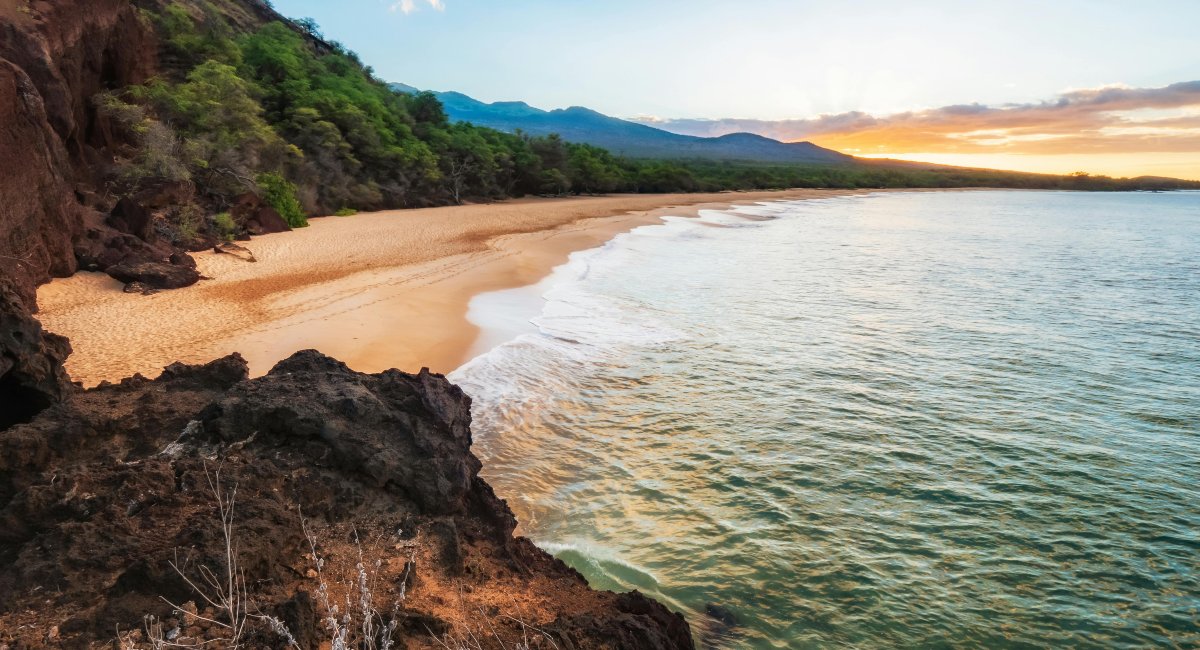
Maui. The sand is softer, the crowds are thinner, and the snorkeling is world-class. Honolua Bay, Big Beach, and Napili Bay consistently beat Waikiki’s packed shores and shallow surf.
Is whale watching better in Honolulu or Maui?
Maui wins by a landslide. The shallow Auʻau Channel between Maui, Lānaʻi, and Kahoʻolawe is one of the best whale-watching spots in the world. Humpback whales migrate here from December to April to breed and give birth. It’s like watching National Geographic from the deck of your tour boat. Honolulu does see some whale action, but nothing compares to Maui’s up-close encounters.
Is it cheaper to fly to Honolulu or Maui?
Typically, flights into Honolulu (HNL) are slightly cheaper and more frequent, thanks to it being the state’s major airport hub. Maui’s OGG (Kahului Airport) is smaller but well-connected. Price differences are usually minor, but if you’re flexible on dates, flying into Honolulu could shave a few dollars off your trip.
Is Maui or Honolulu better for a first-timer?
It depends on your travel style. Honolulu is an easy intro to Hawaii—urban comforts, lots to do, and minimal culture shock. It’s like dipping your toes in paradise without leaving your hotel zone. Maui, however, is the full plunge. If you’re ready to unplug and immerse yourself in Hawaii’s natural beauty and slower rhythms, it might just spoil you for all future trips.
Can I visit both in one trip?
Sure—but not if you want to relax. Inter-island flights sound quick (and they are), but once you factor in airport time and check-ins, it’s a day lost. Unless your trip is 10+ days, we recommend savoring one island at a time. Trust me: the other will still be there next time.