
When you’re looking for a West Maui beach with consistently calm, swimmable water, Kapalua Bay is one of the most reliable spots on the island. This curved bay on Maui’s northwestern coast gives you everything: crystal-clear water, easy water entry, excellent snorkeling without needing a boat, and facilities that actually exist. For all these reasons and more, Kapalua Bay has earned recognition in the Dr. Beach annual survey of best beaches in America.
The experience here comes down to timing, conditions, and staying nearby at a Kapalua property, where the bay becomes a part of your every day rhythm.
Key Takeaways
- Kapalua Bay’s two lava-rock arms create calm, protected water that’s good for swimming and snorkeling most of the year
- Snorkeling is excellent from the beach, with a reef visible just offshore on both sides of the bay
- Facilities include public restrooms, outdoor showers, and a paid parking lot; the beach itself is free
- Morning visits offer the quietest conditions and best visibility
- Best water conditions occur May through September; spring and fall still deliver good days
- Parking at the Kapalua Bay beach lot is $29 per day for non-residents, or free along Honoapiʻilani Highway
What Makes Kapalua Bay Different From Other Maui Beaches
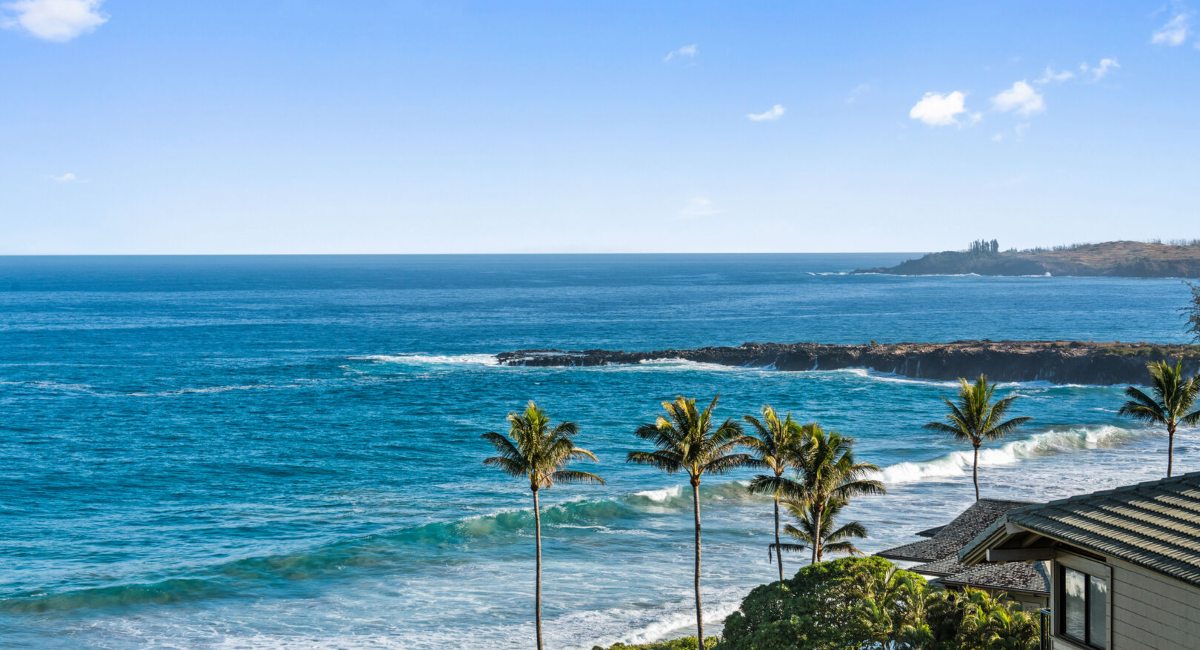
Kapalua Bay works because of its shape. The crescent is framed by two lava-rock points that block larger ocean swells and create calm water even when other West Maui beaches are rough. You get the rare combination of protected conditions with direct beach access — no hikes, no boat rides, no special equipment.
The water stays clear most days because the bay’s protection keeps sand from churning up. You’re not fighting murky conditions or currents pushing you out. For families traveling with kids or anyone who prefers gentler water, this matters. Your water time doesn’t feel like a struggle; it feels like you’re actually enjoying the ocean.
Swimming Conditions and Water Temperature
When the Water is Calmest
Your best swimming days are mornings, before trade winds pick up and add surface chop by afternoon. If you get to the beach between 8 and 10 a.m., you’ll find the clearest water and the fewest people. The bay stays protected even when winds build, but the morning gives you the flattest surface and best visibility.
May through September brings the calmest overall conditions, with warm water around 78–82°F and consistent light winds. Spring (March–May) and fall (September–November) still deliver good swimming days with slightly more variability. Winter (November–February) North Pacific swells can push stronger currents along the edges of the bay, so stick to the center where the water stays calmer.
Water Temperature by Season
In March, the water averages around 75°F. By May, it’s warming toward 77–78°F. Summer water reaches 79–81°F. Even in winter, you’re looking at about 74–76°F — cool enough to feel refreshing, warm enough to stay comfortable for a long swim. For current surf and ocean conditions, check the NOAA National Weather Service Honolulu marine forecast.
Snorkeling at Kapalua Bay
What You’ll See Underwater
The reef starts just offshore, visible from the beach on both sides of the bay. You don’t need to swim far to find fish. Humuhumunukunukuāpuaʻa (reef triggerfish, Hawaiʻi’s state fish), wrasses, parrotfish, surgeonfish, and the occasional spotted eagle ray patrol the reef. Hawaiian green sea turtles (honu) show up regularly, and remember to maintain distance — state and federal law requires you to stay at least 10 feet from them. Observe, don’t chase or touch. The reef here isn’t as dense as some offshore snorkel tours, but it’s legitimate snorkeling straight off the sand.
Best Snorkeling Strategy
Head to the north end of the beach where the rocky edge meets the water. This spot has less sand stirred up, which means better visibility and more fish activity. Snorkel along the rocks rather than out into open water, and you’ll have the best experience. The reef drops off gradually, so even average swimmers can explore without feeling in over their heads.
Go early, before 10 a.m. if possible. By midday, the beach fills up, visibility can drop slightly as more people stir the water, and you’ll be dodging swimmers. For a broader look at Maui activities beyond the beach, browse our activity guide.
Parking: What You Need to Know
Kapalua Bay has a dedicated paid parking lot with marked Beach Access spaces, managed digitally (payment by QR code on site). Parking is $29 per day for non-Hawaiʻi residents as of 2026. Some paid lots in the Kapalua area may cover multiple nearby beach/trail access points for the same day, but you should confirm the current signage or official lot rules on arrival. If you’re staying at a Maui Paradise Properties Kapalua vacation rental, you may be able to walk or use resort shuttle access — one of the advantages of staying close.
If the lot is full, you have options:
- Free street parking along Honoapiʻilani Highway — with designated shoulder space to park clear of traffic. Availability is limited and can fill up quickly. Use caution when crossing the road.
- Merriman’s parking lot — 6 a.m.–3 p.m., Monday–Saturday, approximately $20
- Kapalua Tennis Garden — $10 for 3 hours, $15 all day
The beach itself is always free to access; to reach the sand, head past the restrooms, down the stairs, and through a short tunnel.
Beach Facilities and Amenities
The parking lot sits right next to public restrooms and an outdoor shower. There’s another shower at the beach entrance for a quick rinse after your swim.
One catch: there are no concession stands or food vendors at the beach itself. Bring your snacks, water, sunscreen, and whatever drinks you want. Nearby resorts and restaurants offer dining, but not quick beachside options.
What to Bring
- Water (at least 2 liters per person)
- Snacks and lunch
- Reef-safe sunscreen (Hawaiʻi law bans sunscreens containing oxybenzone and octinoxate)
- Snorkel gear (or rent in nearby shops)
- A light cover-up or rash guard, a hat and sunglasses
- Towel and a small umbrella for shade
Best Times to Visit Kapalua Bay
By Season
Spring (March–May): Water temps around 75–77°F and warming. Morning swells are smaller than in winter. Fewer crowds than in summer. Good conditions without the peak-season heat.
Summer (May–September): Warmest water (79–81°F), calmest conditions overall, most consistent sunshine. Also the busiest season. Plan to arrive early.
Fall (September–November): Another sweet spot. Water temps hold around 78–80°F. North Pacific swells begin to build, but the bay stays protected. Fewer crowds than in summer.
Winter (November–February): North swells can create stronger currents along the edges. Morning is better than the afternoon. Water is still swimmable (74–76°F), but conditions are less consistent than in other seasons.
By Time of Day
Visit before 10 a.m. for the best visibility, calmest water, and fewest people. The parking lot typically starts filling around 10–11 a.m. By 1 p.m., afternoon winds often add surface chop and can reduce visibility for snorkeling.
Water Safety and Important Rules
Kapalua Bay is mostly protected, but the ocean has currents and moods. A few real things to keep in mind when swimming:
- Don’t swim beyond the bay. Once you drift past the rock points protecting the bay, currents pick up, and waves are stronger. Stay inside the curved bay area.
- Swim with a partner. Never snorkel alone, even in a protected bay.
- Check conditions before you go. Look at Hawaiʻi Ocean Safety conditions and the NOAA marine forecast. I like The Snorkel Store’s daily Maui snorkel report, which highlights conditions with an easy rating system to help you plan your beach day.
- This is not a lifeguarded beach. Kapalua Bay is not on the official Hawaiʻi Ocean Safety lifeguarded beach roster. As with any beach on Maui, take a moment to assess conditions before entering the water and swim with care.
- Respect marine life. Green sea turtles (honu), Hawaiian monk seals, and reef fish all call this place home. Observe from a distance, don’t touch, and use reef-safe sunscreen.
How Kapalua Compares to Other West Maui Beaches
If you’re choosing between beaches, here’s the honest comparison:
Kapalua Bay vs. Kāʻanapali Beach: Kāʻanapali is longer, busier, and has more food and rental options. Kapalua’s water is typically calmer with easy access to the Kapalua Coastal trail and grassy lawns for picnicing and shade. Both are excellent — they simply serve different trip styles.
Kapalua Bay vs. Nāpili Bay: Both are protected crescents and close together with calm, swimmable conditions most of the year. Nāpili has a slightly more local, residential feel, while Kapalua offers more amenities and a more polished, resort-style setting.
Kapalua Bay vs. Honolua Bay: Honolua, just north, is legendary for snorkeling (denser reef) and winter surfing, but it’s rockier, requires more swimming to reach fish, and has parking challenges. Kapalua is more beginner-friendly.
Staying Close to Kapalua Bay
When you book a Maui Paradise Properties vacation rental in Kapalua, you’re staying in a 100% locally owned and operated property. That means your vacation dollars support Maui families. You also skip the paid-lot fees, you can head back to your rental for lunch instead of overpaying at a resort, and you can hit the beach multiple times a day without planning around parking.
Kapalua has the feel of an upscale but quiet enclave — it’s where people go who actually want to be on Maui, not just pass through. Staying here puts you close to this beach and to West Maui’s broader attractions, including nearby Nāpili and Kāʻanapali.
If Kapalua is booked, browse the broader Maui rental options. Kāʻanapali and Nāpili are short drives south and offer similar easy access to West Maui beaches.
FAQ
Is Kapalua Bay good for beginner snorkelers?
Yes. The bay is protected, shallow in most areas, and the reef is visible from the beach. You won’t need to swim far to see fish. The downside: it’s not the most dramatic reef on Maui. If you’re an experienced snorkeler wanting to see a wide range of species, try Honolua Bay. For beginners or families, Kapalua is ideal.
Can kids swim at Kapalua Bay?
Yes. The shallow water, typically calm conditions, and soft sand make it one of West Maui’s best beaches for young children. The bay stays protected even on windier days. Just supervise them, bring water and sunscreen, and give yourself plenty of time to enjoy it.
What’s the best time of year for snorkeling at Kapalua?
May through September, when the water is warmest (79–81°F) and calmest.Snorkeling is still good during spring and fall, while winter can bring larger swells that occasionally impact visibility and conditions.
Do I need reef shoes at Kapalua Bay?
Entry is sandy and gentle, so reef shoes aren’t necessary the way they are at rockier beaches. If you’re feet are sensitive or plan to walk along the north-end rocky area, bring them. Many people go in barefoot and do fine.
How crowded does Kapalua get?
Peak season (June–August and winter holidays) brings crowds, especially between 10 a.m. and 3 p.m. Shoulder seasons (spring and fall) are quieter. Early mornings are always better than afternoons.
What should I bring for a day at Kapalua Bay?
Water, reef-safe sunscreen, snacks, a hat and light cover-up, and snorkel gear if you have it. There are no food vendors at the beach, so you will want to bring snacks or a picnic. Shade is available on the grass, not on the sand, so bring an umbrella or plan beach time for early morning.
How much is parking at Kapalua Bay?
Parking at the Kapalua Bay beach lot is $29 per day for non-Hawaiʻi residents as of 2026, paid by QR code on site. Street parking along Honoapiʻilani Highway is free when available.