
Key Takeaways
- West Maui (Lāhainā, Kāʻanapali, Nāpili, Kapalua) offers dramatic coastlines, cultural depth, and classic coastal adventures — a good fit for active travelers and sunset lovers
- South Maui (Kīhei, Wailea, Mākena) delivers consistent dry weather, pristine sandy beaches, and relaxed resort-style living — ideal for families and beach-focused vacations
- West Maui sees more rain in northern areas like Kapalua and Nāpili; South Maui stays dry year-round with around 15 inches of annual rainfall
- Both regions offer locally owned and operated vacation rentals through Maui Paradise Properties
West Maui vs South Maui: Climate & Weather
The first decision point: how much sunshine and rain matter to your trip.
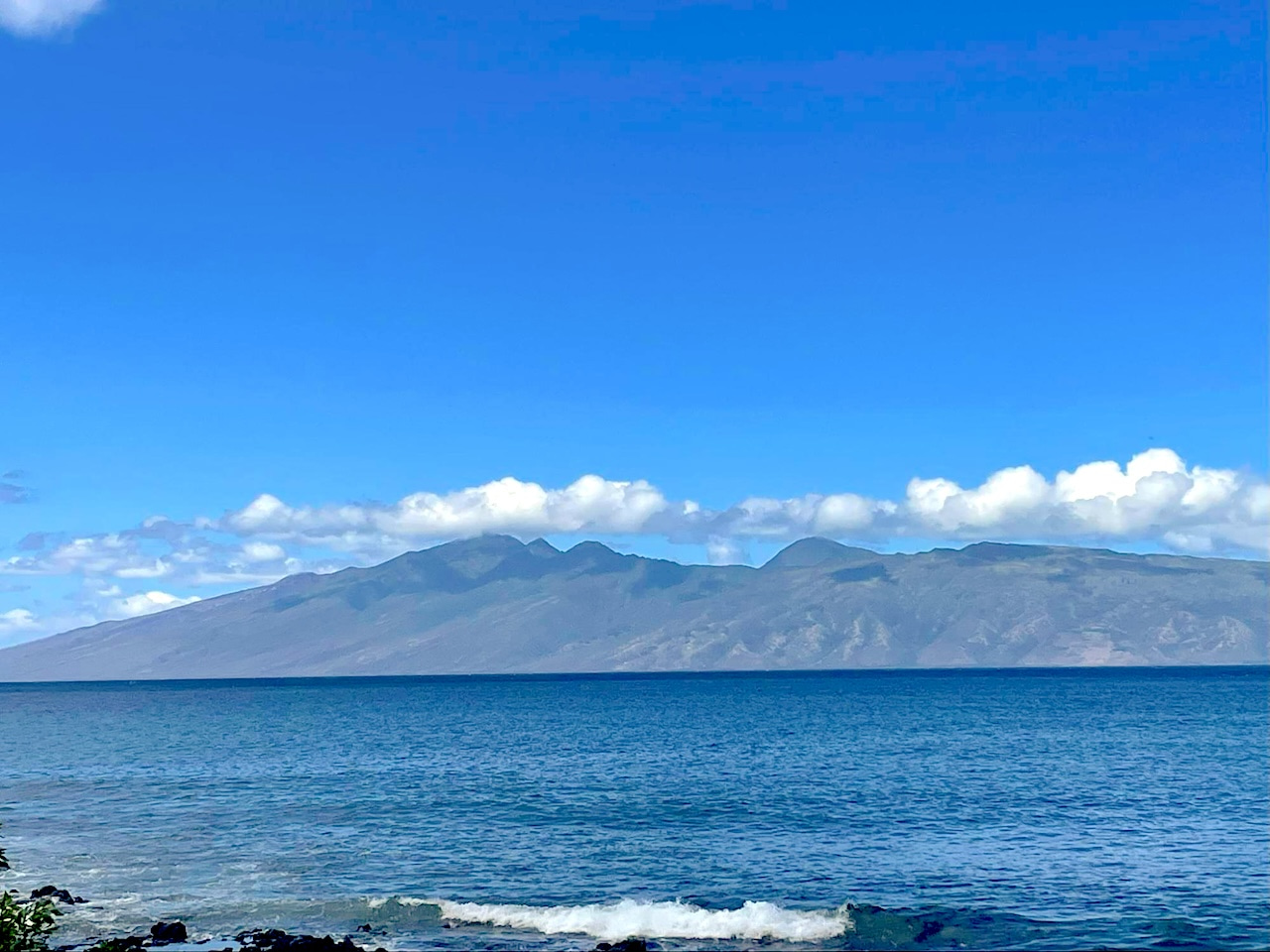
South Maui sits in the rain shadow of Haleakalā, Hawaiʻi’s massive volcanic mountain. The result is a sun-forward climate with just 15 inches of rain annually. Whether you’re in Kīhei or Wailea, you’re getting nearly identical sunny conditions year-round. Morning light is clearest; afternoons stay bright and warm.
West Maui is more complex. The base areas — Lāhainā and Kāʻanapali — receive around 12–20 inches of rain yearly, making them sunnier and drier than you’d expect. But as you move north toward Nāpili and Kapalua, rain clouds regularly roll in from the ocean, especially along the northern shore. Kapalua gets significant moisture compared to the southern coast. Morning skies are usually clearer in West Maui; afternoon trade winds pick up, bringing occasional cloud cover and showers to the north.
Choose West Maui if: You don’t mind occasional rain and want cooler, breezier mornings. Choose South Maui if: You want consistent sunshine and minimal rain concerns.
Beaches: Sand, Waves, and Water Conditions
Your beach experience shapes your whole vacation.
West Maui beaches run the spectrum. Kāʻanapali offers a long, protected sandy stretch perfect for families and beginner swimmers. The water is usually calm in summer but can get choppy in winter. Nāpili Bay is a sheltered crescent with crystal-clear water and gentle entry — ideal for snorkeling and sea turtles. Farther south, the coastline between Kāʻanapali and Olowalu offers smaller, rockier coves with deeper water; the sunsets here are legendary. Near Mākena, the water becomes a richer blue and more dramatic; swimming requires more caution.
South Maui beaches cater to swimmers and sunbathers. Kīhei stretches for miles with powdery golden sand and shallow, calm water that’s friendly to kids and families. Wailea’s beaches — Wailea, Ulua, Mōkapu — are equally pristine and less crowded. Farther south, Mākena’s Big Beach is stunning but can have strong rip currents and is best for experienced ocean swimmers.
Summer (May–September): West Maui’s north shore (Nāpili, Kapalua) stays calm and glassy. South Maui’s waters are warm with moderate waves. Winter (November–March): West Maui can see larger surf; South Maui remains swimmable but slightly cooler.
Vibe and Atmosphere
Where you stay shapes how you feel.
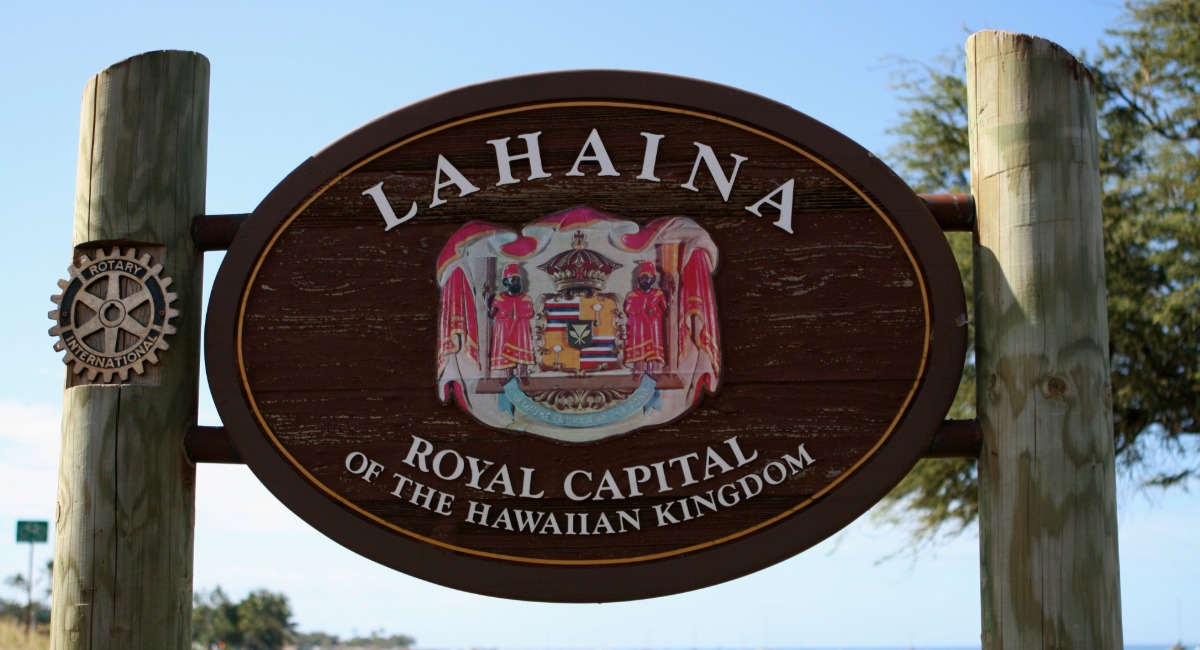
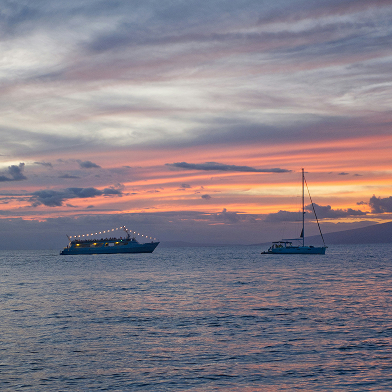
West Maui carries the heartbeat of old Hawaiʻi. Historically the kingdom’s capital and a whaling hub, the region still holds that lineage in its place names, cultural sites, and slower pace. As Lāhainā continues its recovery from the August 2023 wildfire, that history remains central to what West Maui means. The vibe shifts as you move north: Kāʻanapali is resort-focused but still grounded; Nāpili-Kahana feels village-like and peaceful; Kapalua is upscale and quiet. The entire west side catches epic sunsets that paint the sky orange and pink.
South Maui is resort-modern and tourism-focused. Kīhei bustles with activity — shops, restaurants, beach bars. Wailea is more manicured and refined, with championship golf courses and high-end dining. Mākena feels more natural and undeveloped. The vibe is vacation-ready, with everything close and convenient. You’re here to relax, swim, and enjoy easy beachside days.
Choose West Maui if: You want cultural depth, history, and a slower island rhythm.
Choose South Maui if: You want modern comfort, easy dining, and a laid-back resort environment.
Activities and Attractions
What you’ll actually do changes by region, but not as dramatically as you might think. Both regions offer excellent access to most of Maui’s signature experiences.
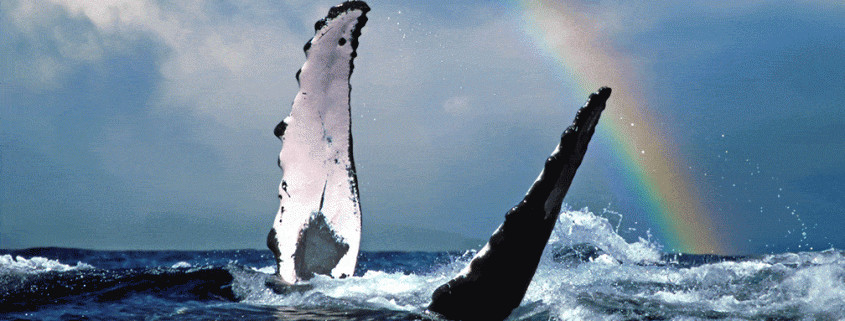
West Maui puts you close to classic coastal adventures. Snorkeling, ocean kayaking, surfing lessons, and shoreline walks are all easily accessible. ʻĪao Valley State Monument is about 30–40 minutes from Lāhainā, offering lush valley views and short walking paths. The Nakalele Blowhole (north of Kapalua) and Honolua Bay (a protected Marine Life Conservation District known for snorkeling) add scenic texture to the drive north. Whale watching (December–April) is especially active off West Maui’s coast, with frequent sightings close to shore. Browse Maui Paradise Properties’ activity guides for curated island experiences.
South Maui is beach-focused but not activity-light. Haleakalā National Park — known for sunrise views and crater hikes — is roughly 60–90 minutes from Kīhei and Wailea. Boat tours to Molokini Crater primarily depart from Māʻalaea Harbor, making the popular snorkel site equally accessible from both regions. Snorkeling along Wailea and Mākena is excellent, and seasonal whale watching is visible from shore. Water activities like paddleboarding, stand-up paddling, and outrigger canoeing are easy to find. Golf courses are highly regarded. Dining is upscale; nightlife is more active.
West Maui: Better for classic coastal activities, scenic shoreline variety, front-row whale watching, and cultural visitors.
South Maui: Better for beach-and-relax travelers, golfers, and sunset-dinner people.
Dining and Local Food
Food tells the story of where you are.
West Maui has deep roots in local food culture. Kāʻanapali has resort dining but also local favorites tucked into the towns above. Nāpili and Kapalua lean upscale but maintain island soul. As Lāhainā continues its recovery, a number of beloved restaurants and gathering places are beginning to return, adding another meaningful layer to West Maui’s evolving food scene.
South Maui dining scene is polished and wide-ranging. Kīhei offers a mix of casual seafood spots, local favorites, and easy grab-and-go options. Wailea leans upscale, with resort restaurants, sushi, and refined dining experiences. Mākena has fewer options, but a handful of standout spots focused on fresh, high-quality ingredients. Overall, dining in South Maui is more curated and convenience-driven, with a blend of local flavors and elevated resort experiences.
Accommodation Styles
How you sleep matters too.
West Maui offers variety. Kapalua and Kāʻanapali have beachfront properties. Maui Paradise Properties’ West Maui rentals include intimate oceanfront condos, beach cottages, and multi-bedroom homes where you cook, feel at home, and support locally owned operations. Nāpili and Kapalua skew toward luxury condos and boutique properties — quieter, more personal.
South Maui offers just as much range, with a different layout. Kīhei is known for its wide mix of condo communities, many within walking distance to beaches, shops, and restaurants. Wailea leans more refined, with branded resorts and upscale vacation rentals. Maui Paradise Properties’ South Maui rentals include well-located condos and homes that offer the same comfort, flexibility, and locally managed experience — just in a more centralized, easy-to-navigate setting.
Proximity to Attractions
Distance matters when you’re planning days. Both regions have solid access to the island’s signature attractions.
West Maui:
- Kāhului Airport: 45 minutes from Lāhainā, 60+ minutes from Kapalua
- Road to Hāna (start): ~2.5 hours from Lāhainā
- ʻĪao Valley: ~30 minutes from Lāhainā
- Haleakalā crater: ~2 hours from Lāhainā
South Maui:
- Kāhului Airport: ~30 minutes from Wailea, ~20–30 minutes from Kīhei
- Road to Hāna (start): ~2–2.5 hours from Kīhei
- Haleakalā crater: ~60–90 minutes from Wailea
- Mākena: ~10 minutes south of Wailea
Neither region is dramatically closer to “everything.” South Maui sits closer to Kāhului Airport and Haleakalā; West Maui offers more shoreline variety and quicker hops to ʻĪao Valley. Molokini boat tours depart from Māʻalaea Harbor, which is roughly equidistant from both sides.
West Maui vs South Maui: Quick Comparison Table
| Factor | West Maui | South Maui |
| Rainfall | 12–25+ inches (varies by area) | ~15 inches (consistent) |
| Sunshine | 70–80% (north side less) | 85%+ (very reliable) |
| Beaches | Mixed: sand, rock, coves | Mostly sandy, golden |
| Water conditions | Calm summer; larger winter surf | Calm year-round; moderate summer waves |
| Vibe | Historical, cultural, slower | Resort-focused, convenient |
| Best for | Active travelers, history lovers | Beach families, relaxation |
| Dining | Think plate lunches and oceanfront dining | Wide-ranging with more likely to have upscale options in resorts |
| Vacation rentals | Oceanfront condos, homes, boutique | Walkable condo communities, resorts |
| Cost range | Mid to luxury | Mid to luxury |
Making Your Decision
Choose West Maui if you:
- Want cultural depth and island history
- Love exploring beyond the beach (blow hole, hiking, villages)
- Enjoy a slower pace
- Like dramatic sunsets over the ocean
- Don’t mind occasional rain in the north
Choose South Maui if you:
- Want guaranteed sunshine and minimal rain
- Prioritize beach time and relaxation
- Prefer modern amenities and resort convenience
- Like upscale dining and golf
- Travel with young kids (calm, family-friendly water)
- Want a traditional vacation feel
The truth? You can’t go wrong with either areas. Many visitors spend time in both regions.
Plan Your Stay with Maui Paradise Properties
Ready to book? Maui Paradise Properties is 100% locally owned and operated—we know both coasts intimately and can match you to a rental that fits your trip style.
- Exploring West Maui? Browse West Maui properties, including Kāʻanapali beachfront and Nāpili retreats.
- Seeking South Maui? Discover South Maui rentals and Wailea luxury options.
FAQ: West Maui vs South Maui
Is West Maui or South Maui sunnier?
South Maui is sunnier. It receives 85%+ clear days annually because Haleakalā mountain blocks rain clouds. West Maui, especially the north shore (Kapalua, Nāpili), gets regular afternoon clouds and showers. Lāhainā and Kāʻanapali are drier but still cloudier than South Maui.
Which side is better for families with young kids?
South Maui edges ahead. Kīhei and Wailea have calm, shallow, warm water ideal for toddlers families. West Maui’s Kāʻanapali is also family-friendly with more variation depending on the location and season.
Can I see sea turtles in both regions?
Yes. Nāpili Bay (West Maui) is famous for honu (sea turtles). South Maui beaches, especially Wailea’s, also have regular turtle activity. Remember: maintain a 10-foot distance and never touch or feed them—they’re federally protected under the Endangered Species Act.
Which region is less crowded?
Nāpili and Kapalua (West Maui) feel quieter and more intimate. Kīhei (South Maui) is busier and more touristy. Makena (far South Maui) and Lāhainā (West Maui) offer fewer crowds if you explore beyond main beaches.
Is West Maui or South Maui better for water sports?
West Maui excels at snorkeling (Honolua and Nāpili Bay) and surfing. South Maui dominates paddleboarding, parasailing, and jet ski rentals due to calm, consistent water.
What’s the weather like in winter in each region?
West Maui: mid 70s to low 80s°F; north-west side (Kapalua, Nāpili) sees more passing showers; Lāhainā, Kāʻanapali stays mostly dry. Whale watching is excellent. Ocean can have swell and rough conditions.
South Maui: mid 70s to low 80s°F; generally dry and sunny; occasional cool mornings. Whales visible from shore. Ocean conditions are typically calmer.
Which region is better for the Road to Hāna?
From both West and South Maui, the drive to the start of the Road to Hāna takes roughly 2–2.5 hours, depending on traffic and timing. It’s a full-day commitment either way, so the key is starting early rather than choosing one region over the other.
Can I stay in one region and visit the other?
Absolutely. It’s about 45 minutes to an hour’s drive between Lāhainā (West) and Kīhei (South). Many travelers spend several days in each region to experience both vibes.