
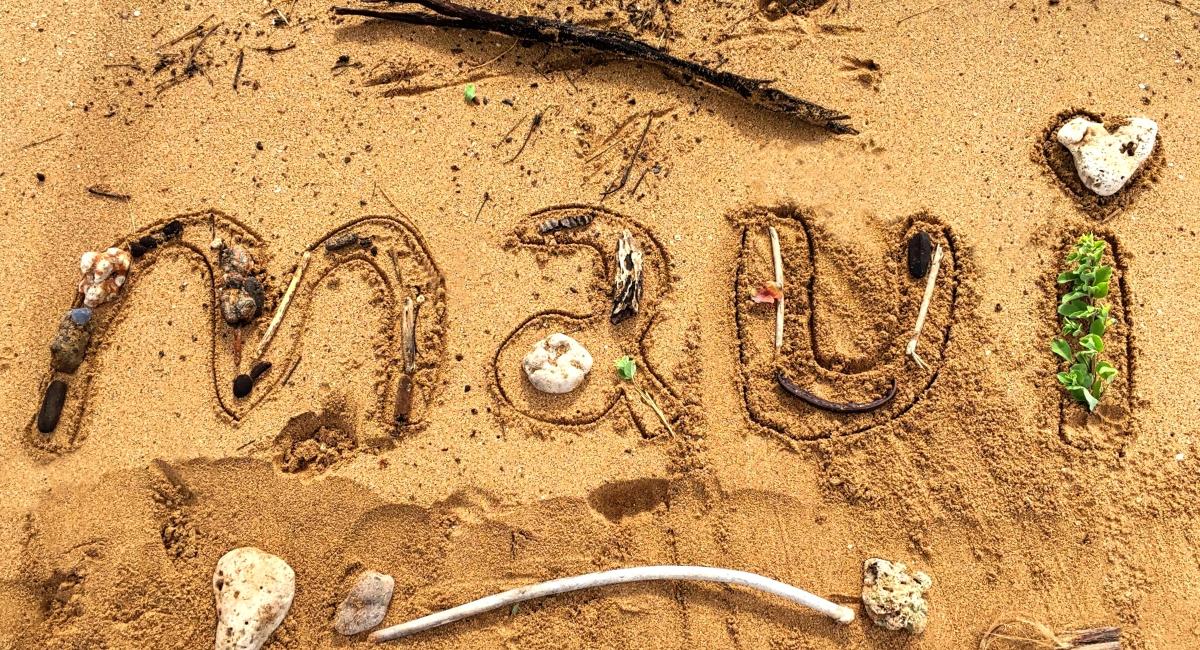
Spring on Maui isn’t exactly a secret—but it’s quietly one of the best times to be here. While summer fills with families and winter brings whale watchers, spring naturally delivers what you actually want: warm water, reliable sunshine, fewer crowds, and better overall value. The trade winds are predictable, the island is lush and colorful, and your vacation dollar stretches further. Whether you’re planning a couple’s escape, a family trip with more space to spread out, or just time to breathe, spring on Maui (March through May) gives you the island at its most balanced.
Key Takeaways
- Spring weather on Maui averages 80–85°F, with water temperatures warming from around 76°F in March to about 78°F by late May
- Humpback whale season winds down by early to mid-April as most whales migrate back to Alaska
- Late April through May brings spectacular jacaranda blooms across Upcountry Maui (Pukalani, Makawao, Kula)
- Shoulder season pricing means fewer resort crowds and better rates on Maui vacation rentals
- Spring is dry enough for beach days and outdoor activities, with less rain than winter but before the driest summer stretch
- Ocean conditions are generally favorable for both West Maui and South Maui beaches
What Spring Weather Actually Means on Maui
March: The Warm-Up Month
March is the hinge between winter and summer. You’re still getting the tail end of the wet season, but the days are noticeably warmer and longer. Average highs hover around 81°F with lows around 67°F. Water temperature is around 76°F — cool enough to feel refreshing, warm enough that you’re not shivering.
Mornings in March can be a bit cloudy as trade winds bring moisture from the northeast, but afternoons often clear up most days. Rain is still part of the pattern this time of year, but it’s usually brief rather than all-day. A light layer or rain jacket is worth packing, but most days still leave plenty of room for beach time, exploring, and getting out on the water.
April: The Sweet Spot
April is when spring hits its rhythm. Average highs reach 82°F. The wet season is winding down, which means more consistent dry days without the intensity of summer heat. Water temperature warms toward 77°F. Trade winds are generally present and tend to pick up in the afternoon, though strength can vary day to day. Even with that, many days open up into long, bright stretches of sun.
May: The Shoulder into Summer
By May, you’re transitioning into the drier season. Average highs reach 85°F, and the water hits around 78°F. Rainfall drops noticeably — you’re looking at genuine beach-day reliability. Humidity is present but not oppressive. Trade winds are typically present and can vary in strength, often picking up through the day, helping keep temperatures comfortable. Sunset comes after 7 p.m., meaning more daylight for evening hikes or beach time.
May is also when the jacaranda trees reach peak bloom — a bonus you don’t get in other seasons.
Humpback Whales Wind Down (But You Can Still See Them)
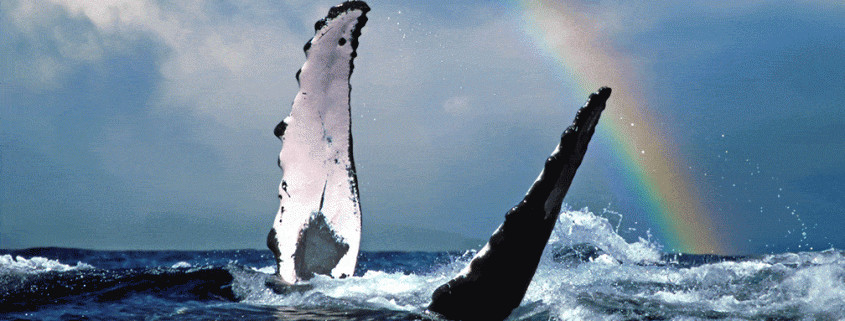
Winter whale season officially quiets down by mid-April when most humpback whales begin their migration back to Alaskan waters. The Hawaiian Islands Humpback Whale National Marine Sanctuary protects these waters during whale season, and humpback whales are actively present through early to mid-April. The peak population hits in January–February, but March and early April still delivers regular sightings.
Here’s what that means for your spring trip: you might still see whales in early April, especially on a dedicated tour, but you’re not guaranteed the breaching and tail-slapping shows that draw winter crowds. You’ll also notice fewer whale-watching boats crowding the channels.
The silver lining is that spring opens the door to other activities. Snorkeling becomes less about battling crowds and more about actually seeing fish. Hiking trails get quieter. The vibe shifts from “whale central” to a more balanced island experience.
Read our complete guide to whale season on Maui if you want to plan around witnessing these gentle giants near Maui
Jacaranda Blooms Transform Upcountry Maui
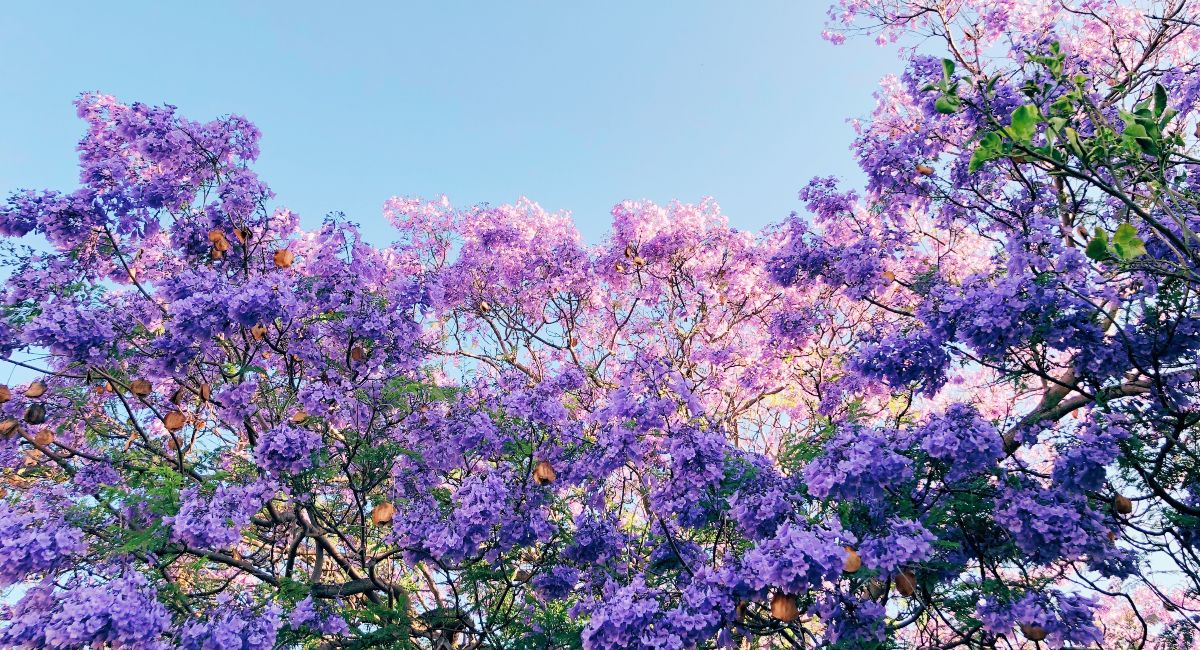
Late April through May, the jacaranda trees across Upcountry Maui burst into bloom. These trees cover themselves in dense purple and lavender flowers — a seasonal pop of color that stands out against Upcountry’s landscape.
Where to See Them
The best experience is driving through towns like Pukalani, Makawao, and Kula These higher-elevation areas (around 2,000–3,000 feet) get the most dramatic blooms. The trees line roads, cluster around ranches and properties, and create sections of lavender-covered landscape.
Bloom Timeline
- Late April: Trees start budding with early blooms appearing
- May: Full peak bloom — many trees are covered in flowers
- Early June: Blossoms begin falling, creating purple carpets along roads and yards
If you’re visiting in May, you’ll catch the densest, brightest bloom of the season. April gives you early blooms, but May is when the full impact hits.
The Experience
Jacaranda bloom season is one of the more distinct visual shifts of spring Upcountry. The island shifts from green-and-brown to purple-and-lavender as trees come into bloom. It’s not something you schedule like a restaurant reservation — it’s something you encounter while driving or hiking, and it makes spring feel special in a way other seasons don’t quite capture.
Spring Water Conditions and Ocean Activities
Swimming and Snorkeling
April and May, ocean conditions are often clear, calm and inviting across both West Maui and South Maui. Water temperatures have warmed enough that you’re not chilled after 30 minutes. Swells are smaller than winter, and there are fewer rainy days that can make visibility murky.
West Maui beaches like Kapalua Bay and Kāʻanapali are usually calm and clear. South Maui beaches like Wailea are known for excellent visibility. Snorkeling is good without the crowds that peak in summer.
Surfing and Water Sports
Spring brings moderate conditions for surfing — not pumping like winter, but consistent small-to-medium waves at many beach breaks. If you’re a beginner wanting to learn, spring is ideal. If you’re an intermediate surfer, you’ll get enough swell to have fun without the heaviness of winter.
Paddling (outrigger canoe, SUP, kayaking) is excellent. Morning water is usually flat, winds are predictable, and the water is warm enough that you’re not fighting cold shock.
Whale Watching (Early Spring)
If whale watching is important to you, book a tour by early April — the earlier the better. By mid-April, whale populations have thinned noticeably. You might still spot humpbacks migrating, and they’re majestic whether you’re on a tour boat or watching from shore.
Spring Activities Beyond the Beach
Hiking
Spring trails are lush and active, and without the afternoon heat intensity of summer. Haleakalā National Park summit hikes, bamboo forest walks at Kīpahulu, and coastal trail routes are all excellent options for a beautiful spring day. Waterfalls are still flowing from earlier seasonal rains, and you’ll notice fresh growth and blooms along both inland trails and coastal paths.
Starting early gives you cooler temperatures, calmer conditions, and more time to enjoy the trail before the day warms up.
Local Farmers Markets and Seasonal Food
Spring is a big harvest season for local farmers. You’ll find fresh fruit (mango season is starting to ramp up), greens, and vegetables at farmers markets in towns like Pāʻia and Wailuku. Many Maui Paradise Properties vacation rentals include kitchens, which means you can shop local and cook instead of dining out for every meal.
Exploring Upcountry Towns
Makawao, Pukalani, and Kula feel alive in spring. Cooler temperatures (10–15°F cooler than the beach), jacaranda blooms, local restaurants, and art galleries make Upcountry a break from the beach-focused side of tourism. Stop by galleries, grab coffee, browse local shops, and actually interact with the island’s interior instead of staying at sea level.
Road Trips and Scenic Drives
The Hāna Highway is stunning in spring. The road is lush, waterfalls are running, and you’re not battling summer heat. The one-way drive from Kahului to Hāna town is about 2.5–3 hours nonstop, but with stops at waterfalls, beaches, and lookouts, most visitors plan a full day for the round trip or out and back. Weather is often stable in spring, though it’s still worth checking conditions ahead of time.
The Money Side: Shoulder Season Pricing
Spring is one of the more flexible times to plan a Maui trip, especially when it comes to pricing. Summer rates and winter holiday rates drop. Vacation rentals can be more affordable in spring than in peak seasons. Flights typically cost less (especially mid-April through early May, after the spring break rush). Hotels and resort rates are usually lower.
Spring on Maui by Region
West Maui in Spring
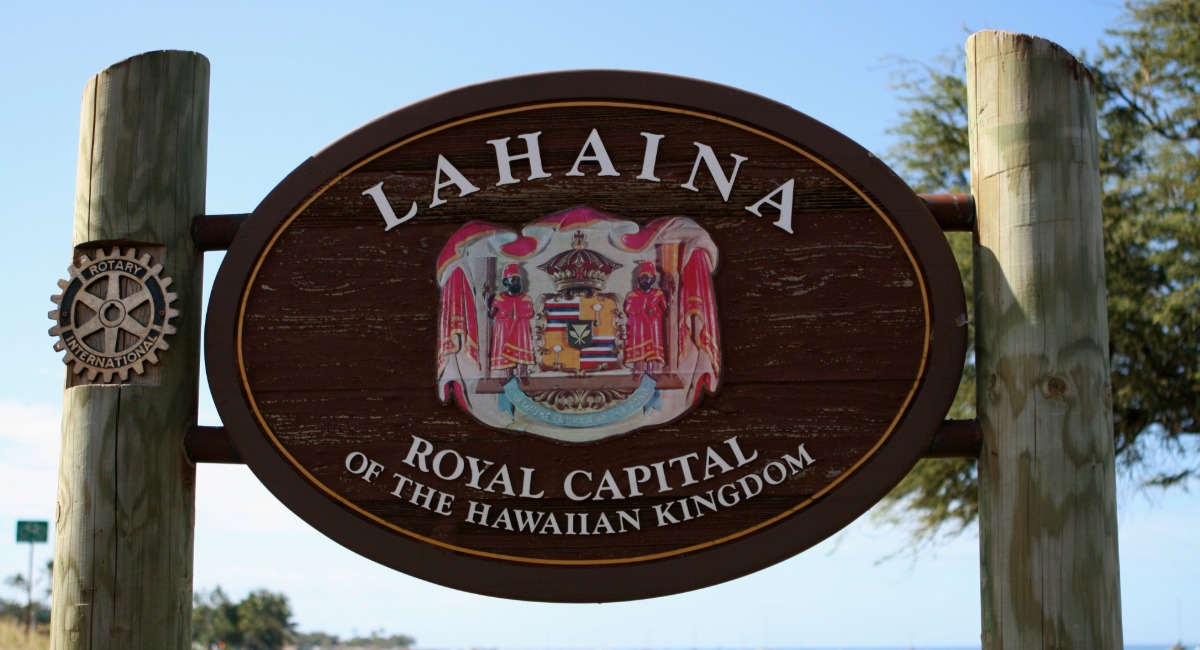
West Maui — Kāʻanapali, Nāpili, Kapalua, and Lāhainā — is a wonderful place to be in spring. Ocean conditions are often calm, the water is warming, and attractions feel relaxed rather than packed. Snorkeling in sheltered bays is excellent, and sunsets along this coastline are legendary. As Lāhainā continues its recovery from the August 2023 wildfire, the region’s history and cultural depth remain central to what West Maui means. Staying at West Maui vacation rentals, including Kāʻanapali and Nāpili properties, puts you beachfront without the resort markup.
South Maui in Spring
South Maui beaches like Wailea, Kīhei, and Mākena are beautiful and less crowded than in summer. Water visibility is excellent. The beach days are warm but not scorching. South Maui tends to be slightly drier than West Maui — a plus for consistent sunshine. Staying in Wailea or Kīhei puts you near excellent snorkeling and a stretch of coastline known for more consistent sunshine.
Upcountry Maui in Spring
Upcountry Maui feels like a different side of the island, with cooler temperatures, rolling landscapes, and a quieter pace. Haleakalā (the dormant volcano whose summit reaches 10,023 feet) is stunning. The town vibes in Makawao and Kula offer a distinct local culture. Jacaranda blooms turn the landscape purple. It’s about 30–45 minutes from the beach, but it feels like a completely different place.
What to Pack for Spring
- Sunscreen (reef-safe): Non-negotiable year-round, but especially with longer days and higher UV
- Light layers: An afternoon rain jacket or fleece for Upcountry cool
- Swimwear and cover-ups: Multiple options so you’re not wearing the same wet suit all day
- Hiking shoes and slippers: Unsure where the day may take you? Pack the shoes.
- Casual dinner clothes: Restaurants on Maui are more casual than other major cities, think sundress or resort attire.
- Sunglasses and hat: The glare off the water is real
FAQ
Is spring warmer than winter on Maui?
Yes. Spring averages 81–85°F compared to winter’s 75–80°F. By May, you’re consistently in warm territory. The difference isn’t huge, but it’s noticeable.
Will I see whales in spring?
Maybe, but not reliably. Humpback whales peak January through March and most have started their migration journey by mid-April. Early April has the best chance; late April and May are whale-spotting lottery tickets, not guarantees.
Is it rainy in spring?
Less rainy than winter, more rainy than the heart of summer. April tends to be the driest spring month. You’ll get occasional rainy days, but many days still open up to sunshine.
Is the water too cold for swimming in March?
No. Water around 76°F is cool but absolutely swimmable. Most people adapt within a few minutes of swimming or playing in the water.
Why is spring cheaper than summer?
Spring falls between major travel periods, there are fewer school breaks, no major holidays, and fewer tourists overall. You’ll find overall more flexibility in pricing and availability.
Should I go to Maui in spring if I really want to see whales?
If whale watching is your main goal, book January or February instead. Spring is excellent for everything else — beaches, snorkeling, hiking, food, exploring — but whale sightings drop off sharply after early April. Read our complete guide to whale season for more information.
What’s the weather like in May compared to summer?
May is basically early summer. It’s 85°F, dry, and sunny. By the end of May, you’re transitioning into true summer conditions. The main difference is that May crowds are lighter and prices are lower.
Is Jacaranda bloom guaranteed in May?
Timing varies year to year based on rain and temperature, but peak bloom typically hits May. Late April gets early blooms. If you’re visiting early April, you might catch just the beginning. May is the safest month for seeing full-bloom jacaranda.
Can I rent a car and drive the Hāna Highway in spring?
Yes, and spring is one of the best times. The road is lush, waterfalls are flowing, temperatures are comfortable for a full day out. Conditions can vary, so it’s worth checking weather and road updates ahead of time. Start early and take your time.
What activities are best in spring?
Snorkeling, hiking, beach time, exploring Upcountry towns, visiting farmers markets, and road trips—typically with lighter crowds than summer.
Are restaurants and shops crowded in spring?
Less crowded than summer, way less than holidays. Spring is the sweet spot where you can enjoy dining out and shopping without long waits. Some reservations recommend reservations regardless of the season.