

Key Takeaways
- Nāpili Bay is a sheltered crescent beach with exceptionally calm water, making it a top family and beginner-snorkel destination on West Maui
- Water depth reaches only 3–8 feet near shore, visibility is clear, and the sandy slope is typically gentle — ideal for kids and families
- Sea turtles (honu) are regularly spotted; federal law requires a minimum 10-foot viewing distance and no touching
- Seasonal conditions: May–September brings consistently calm, glassy water ideal for snorkeling; November–March sees occasional swell but remains swimmable
- Maui Paradise Properties’ Nāpili-area rentals put you steps from the beach with 100% locally owned and operated service
Where Is Nāpili Bay?
Nāpili Bay sits on Maui’s northwest coast, about 15–20 minutes north of Lāhainā and roughly 5 minutes south of Kapalua. The neighborhood of Nāpili is small, quiet, and a pocket of old Maui tucked between busier resort zones.
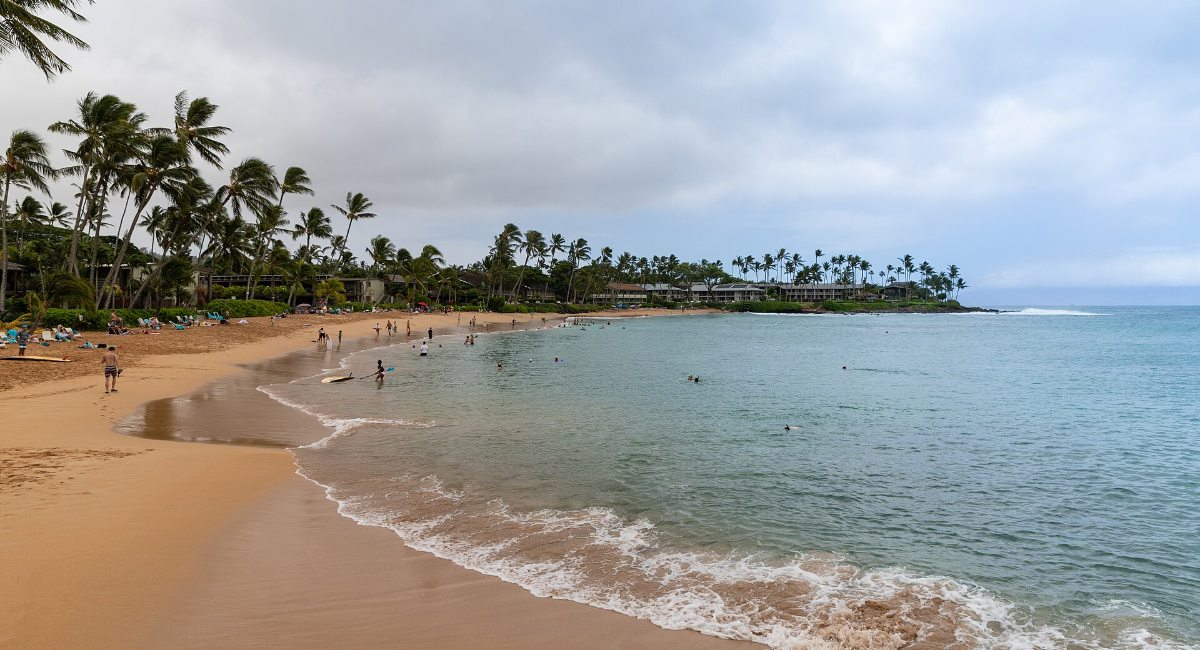
The bay is a natural amphitheater: a crescent of golden sand sheltered on both sides by rocky points. This geography is key — it buffers wind and waves, creating a lagoon-like feel even when other parts of Maui’s coast are rough. You’re looking at a 500-yard stretch of sand, well-loved by families and snorkelers but rarely overwhelmed.
Swimming Conditions: Why Families Love This Beach
The water entry is exceptionally shallow and sandy. The sandy bottom typically slopes gradually. Toddlers can shuffle in safely; older kids can wade out without panic. Adults find the water warm (78–81°F in summer, 75–76°F in winter) and clear.
Summer (May–September): The bay is glassy most mornings, warm, and well-suited to snorkeling. This is peak season for good reason.
Winter (November–March): Occasional north swell adds 1–3 feet of wave height. The beach remains swimmable, but waves break closer to shore and conditions are rougher than summer. Early mornings are calmest. After overnight rain, visibility can temporarily drop but usually clears within hours.
Best time to visit: June–August for reliably calm conditions. September–October and April–May are excellent and less crowded. Skip mid-winter swell days (December–January) if you have very young or nervous swimmers.
Snorkeling at Nāpili Bay: What You’ll See
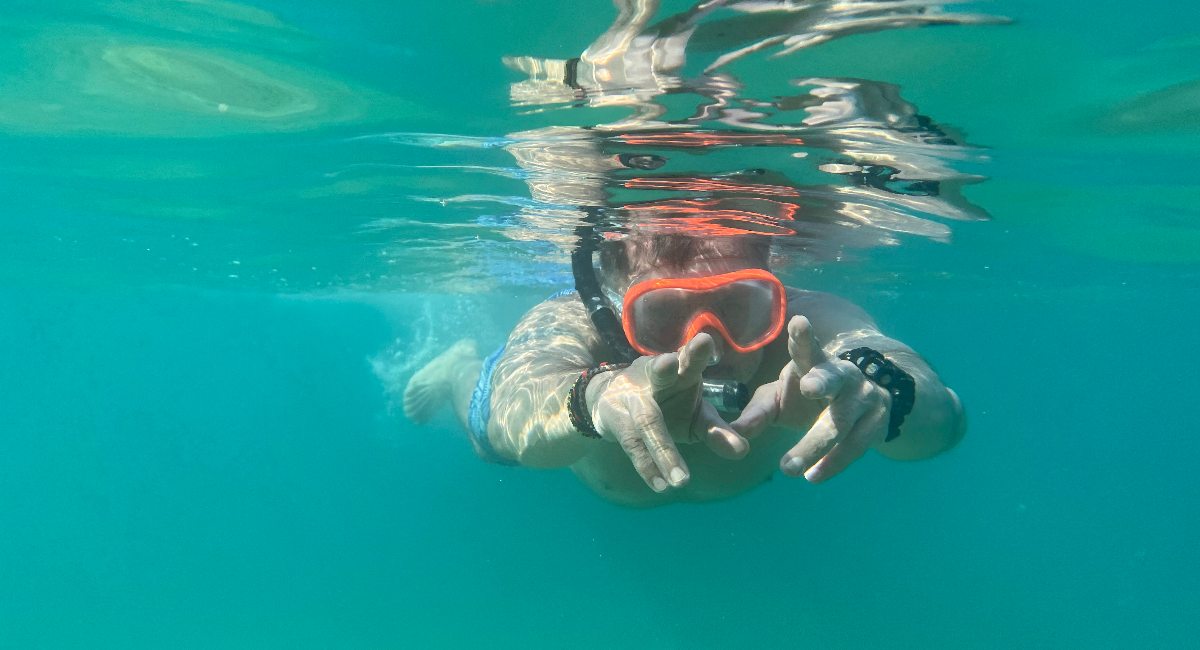
Nāpili Bay is one of Maui’s premier shore-snorkel spots — and unlike crowded reef tours, you can do it on your own schedule.
The reef runs close to shore. Mask on, 15 feet out, and you’re surrounded by coral formations and schooling yellow tangs, parrotfish, butterflyfish, and the occasional moray eel peeking from crevices. The water is often clear enough to watch fish on the bottom from the surface.
Sea turtles: Nāpili Bay is known for honu sightings. You’ll see them grazing on seagrass and resting on the bottom. Some mornings bring multiple turtles; other days you might see none. Early morning (before 9 a.m.) and late afternoon (after 4 p.m.) offer better odds. Important: The Central North Pacific population of green sea turtles is listed as threatened under the Endangered Species Act. Keep at least 10 feet of distance. Never touch, swim with, chase or harass them — violations carry significant fines under federal and state law.
Reef depth: The reef tops out at 3–5 feet in places, then drops to 8–15 feet. Beginners stay shallow; experienced snorkelers explore the deeper sections. The reef is accessible but delicate, don’t touch or stand on coral.
Visibility: Typically 30–50 feet. Morning light is clearest. Winter rain can cloud visibility temporarily, but it usually clears by afternoon.
Rental gear: No snorkel shop sits directly on Nāpili Bay, but nearby are multiple snorkel rental shops. Bring your own mask and fins if you prefer quality equipment.
Safety Note: Ocean conditions can change quickly on Maui. Before entering the water, check local ocean conditions, posted signage, and weather advisories, and use your best judgment based on your experience and comfort level.
Beach Amenities and Facilities
Parking: Multiple options exist. Park along Napili Place or Hui Drive (the two main access roads). Spaces fill quickly during peak hours (10 a.m.–4 p.m. in summer), so arrive early. All street parking is free. Walk the paved path from your parking spot down to the sand — it’s short and easy.
Restrooms: One public restroom sits just right of Sea House Restaurant near the northern side beach access. It’s known for being clean. There’s no shower building, but outdoor rinse showers are scattered along the beach for rinsing off salt water.
Shade: Limited. A few trees provide dappled coverage on the northern end, but most of the beach is open. Bring an umbrella or pop-up tent if shade is important for you. The sun is strong at Hawaiʻi’s latitude — reef-safe sunscreen (no oxybenzone or octinoxate) is required by Hawaiʻi law.
Food and drinks: Sea House Restaurant sits beachfront on the north end. It serves breakfast, lunch, and dinner with incredible views and reasonable pricing for its premier views. The Gazebo sits on the south entrance of Napili Bay, at the Napili Shores resort. It’s a classic breakfast and lunch spot with ocean views (get the mac nut pancakes). If you plan to dine in, be prepared for a line – the restaurant usually offers umbrellas for sun protection by the entrance to the restaurant. Bring snacks or a cooler with drinks and sandwiches if you want to skip the purchase. No food vendors on the beach itself.
Water safety: Lifeguards are not present. Nāpili is generally safe, but you’re responsible for assessing conditions. Check wave height before entering. If swell is up (winter) or after heavy rain, visibility and currents can worsen — be cautious.
Seasonal Conditions and Best Times to Visit
Nāpili’s appeal shifts throughout the year.
May–September: Perfect Swimming Season
Water is 78–82°F, usually glassy, and clear. Snorkeling visibility often tops 40 feet. Crowds are moderate to high. Rain is infrequent or light. This is the most reliable window for families, beginner snorkelers, and anyone who prefers calm water. Book your Nāpili-area vacation rental well in advance — these months fill up.
October–November: Shoulder Season
Water is warm (77–80°F), often calm. Rain picks up slightly. Crowds thin. Still excellent for most water activities, though occasional afternoon showers can cloud visibility. Wind picks up some afternoons.
December–March: Winter Swells
Water cools to 74–76°F. North Pacific swell brings larger waves and stronger currents. Visibility can drop from 50+ feet to 20–30. Morning conditions are usually better; afternoons rougher. Rain is common but brief. Crowds drop significantly — some travelers prefer the quieter vibe. Less ideal for toddlers or nervous swimmers.
April: Spring Window
Water warms to 76–78°F. Swell diminishes. Conditions improve daily as summer approaches. Lighter crowds. An underrated month — reliable conditions, fewer people, still-warm water.
What to Bring and How to Prepare
Sun protection is non-negotiable:
- Reef-safe sunscreen, SPF 30+ (no oxybenzone or octinoxate—they damage coral)
- Hat or visor
- Rash guard or swim shirt if you’re fair-skinned
- Umbrella or beach tent
Water gear:
- Snorkel mask, fins, and snorkel (or rent nearby)
- Underwater camera or GoPro (optional, but worth it)
Comfort items:
- Cooler with water, snacks, electrolyte drinks
- Towel and slippers
- Small dry bag for keys and phone
- Light beach cover-up (wind can pick up midday)
Timing:
- Arrive by 9 a.m. for best parking and calmest water
- Plan 2–3 hours minimum (1 hour snorkel, 1 hour beach time, transition)
- Afternoons can get windy and the crowds start coming in
Sea Turtle Safety and Protection
Nāpili Bay is a sea turtle haven, and that means responsibility.
Hawaiʻi’s green sea turtles (honu) are listed as threatened under the federal Endangered Species Act (Central North Pacific population). NOAA Fisheries and the State of Hawaiʻi strictly protect them. When you encounter a turtle:
Do this:
- Stop and observe from at least 10 feet away
- Use binoculars or a camera zoom for closer views
- Limit viewing time to a few moments
- Back away if the turtle seems startled or changes behavior
Don’t do this:
- Touch, pet, or harass
- Chase it or try to swim with it
- Feed it (even “just a little”)
- Disturb it while resting or eating
- Block its path to deeper water
Violations carry significant fines under federal and state law. These turtles are fragile and critically important to the ecosystem. Respect them like you would any threatened wildlife.
Other Activities Near Nāpili
Nāpili Bay itself is the main event, but the area offers variety.
Snorkeling trips: Boat tours depart from Māʻalaea Harbor (the primary departure point for Molokini Crater and Lānaʻi trips) and from Kāʻanapali Beach — world-class snorkel destinations. Book in advance. Explore Maui Paradise Properties’ activity guides for curated options.
Kayaking: Rent a kayak and paddle the shoreline or out to nearby points; good options are available throughout West Maui.
Hiking: Short coastal walks ring the northern Nāpili bluffs. Views are dramatic; effort is minimal.
Dining: Nāpili has local favorites (Gazebo, Sea House) and casual eateries in the Nāpili-Kahana area.
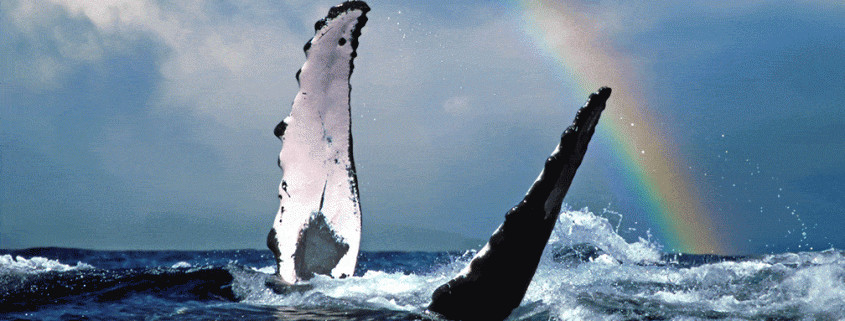
Whale watching: Mid-December through April, humpback whales cruise offshore. You’ll see them breaching from the beach. For background on the species and viewing ethics, see the NOAA Hawaiian Islands Humpback Whale National Marine Sanctuary.
How to Get to Nāpili Bay
Driving from Kahului Airport:
- Head south from the airport on HI-380 (Dairy Road / Kuihelani Highway)
- Merge onto HI-30 (Honoapiʻilani Highway) heading west toward Lāhainā
- Continue on HI-30 past Lāhainā toward Kapalua
- Nāpili is roughly 50–55 minutes from the airport in normal traffic
- Turn makai (ocean side) onto Hui Drive or Napili Place
- Park along the street, follow the paved path to the beach
From Lāhainā:
- Head north on HI-30 for about 15–20 minutes
- Turn left on Napilihau St, then Right onto Lower Road. Then left onto Napili Pl. or Hui Drive
Parking tip: Napili Place tends to fill first. If it’s full, try Hui Drive on the north side or side streets, there’s usually space within a short walk.
Plan Your Nāpili Bay Visit
Ready to experience this slice of paradise? Maui Paradise Properties’ 100% locally owned rentals are steps from Nāpili Bay. Wake up to the ocean. Walk to the beach in your slippers. Spend your day snorkeling with honu, swimming in crystal water, and soaking in the island rhythm.
Explore Napili Honokowai Rentals
Looking for broader West Maui options? Check West Maui rentals and Kapalua properties nearby.
Ready to explore all of Maui? Browse all Maui vacation rentals or seasonal specials.
FAQs about Nāpili Bay
Is Nāpili Bay good for young children?
Yes, absolutely. The water is shallow (3–8 feet near shore), warm, and incredibly calm in summer. Sand entry is typically gentle and gradual. Toddlers can play safely in the shallows while parents supervise. Winter swell (November–March) can be rougher, but even then the bay is milder than most Maui beaches.
Do I need a boat tour to snorkel at Nāpili Bay?
No. You can snorkel directly from the beach. Grab a mask and fins, wade in, and you’re on the reef within 15 feet. Boat tours go to deeper reefs and outer-island destinations, but Nāpili’s shore snorkeling is excellent for beginners.
How often do you see sea turtles at Nāpili Bay?
Regularly, especially in summer. Morning and late-afternoon swims increase your odds. Some days you’ll see multiple turtles; other days none. There’s no guarantee, but honu sightings are common. If you see one, remember: 10-foot distance minimum, no touching, no swimming with them.
What is the water temperature at Nāpili Bay?
Summer (May–September): 78–82°F. Winter (November–March): 74–76°F. Hawaiʻi’s water is warm year-round by mainland standards, though winter feels noticeably cooler. Many visitors are comfortable without a wetsuit in summer; a thin rash guard or 2mm suit helps in winter.
Is there a lifeguard at Nāpili Bay?
No. Nāpili Bay is generally safe, but you’re responsible for assessing conditions. Check wave height before entering. Ask locals or staff at your rental property about current conditions, especially in winter.
Can I bring my own snorkel gear or do I need to rent?
Bring your own if you have it — gear quality matters for comfort and clarity. Rentals are available at nearby shops; most serious snorkelers bring masks and fins from home or buy them at Maui dive shops.
What is the best time of day to visit Nāpili Bay?
Early morning (before 9 a.m.) is best for calm water, clear visibility, and lower crowds. Parking is easier, water is flat, and sunlight is ideal for snorkeling. Avoid peak hours (11 a.m.–3 p.m.) in summer when the beach fills with day-trippers and midday sun beats down.
Are there restaurants right on the beach?
Sea House Restaurant sits beachfront on the north end, serving breakfast, lunch and dinner. The Gazebo is on the south end for casual breakfast and lunch. Otherwise, bring a cooler with snacks and drinks. Nearby Nāpili village has casual eateries within a short drive.
Is Nāpili Bay crowded?
Moderate in summer, especially midday. Winter is quieter. Early mornings are peaceful even in peak season. It’s well-loved but rarely overwhelming.
Can I stay right on Nāpili Bay?
Yes. Maui Paradise Properties’ Nāpili-area rentals include oceanfront and ocean-view options, many just steps from the beach.
Featured Image. Napili beach Maui Hawaii (31868667968) by dronepicr, CC BY 2.0, via Wikimedia Commons

.jpg)