
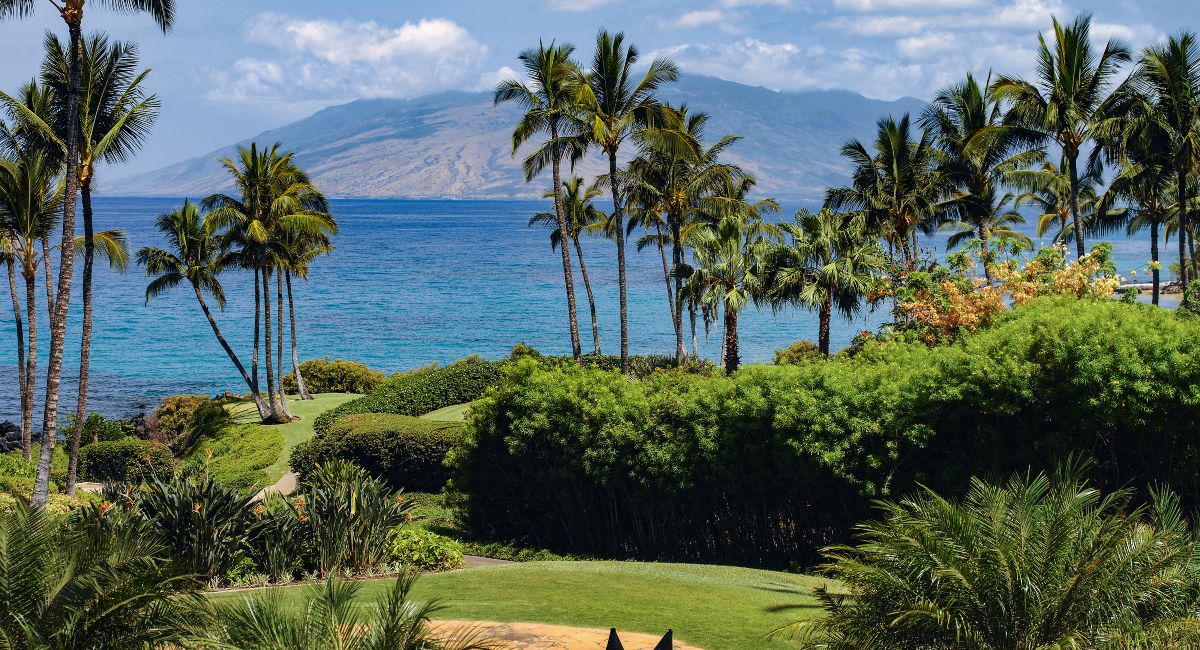
The Short Answer
The best time to visit Maui is April through May or September through early December: warm, mostly dry weather, thinner crowds, and lower prices than the holiday and summer peaks. Come for whale season (whales are in Maui’s waters November through April, with the peak in January–March), June through August for the calmest water and a family-friendly beach trip, and skip Christmas–New Year and Presidents’ Day weekend unless you’re set on those dates, because that’s when prices climb most. Maui’s weather only swings a few degrees across the year, so the real question isn’t “is this a good month?” — it’s “which month fits the trip you want?”
- Best overall value and weather: late April–May and September–early December
- Cheapest months: September, October, May, and early June
- Whale watching: November through April, with the peak in January–March
- Best snorkeling: June through October, when the water is calmest and clearest
- Most crowded and priciest: Christmas through New Year, Presidents’ Day weekend, and mid-summer
When Is the Best Time to Visit Maui?
Maui runs on two loose seasons. The dry season, roughly April through October, brings sunny skies and daytime highs in the mid-to-upper 80s. The wetter season, November through March, is cooler and sees most of the year’s rain — though “rain” on Maui usually means a short morning shower, not a washed-out day.
Where you stay matters more than the calendar. The leeward, sun-facing coasts — South Maui (Wailea, Kihei) and much of West Maui (Kaʻanapali, Napili, Kapalua) — stay dry and warm even in the wet months. The windward and upcountry areas (Hana, Paʻia, the slopes below Haleakala) catch far more rain. (NOAA’s monthly climate normals for Kahului back up how narrow that temperature band really is.) Book a stay on the leeward side in winter and you can watch clouds pile up over the mountains while you’re still in the sun.
So set down the forecast spreadsheet. Plenty of first-time guests lose sleep chasing the one “perfect” week, and the honest answer is that there isn’t a bad month here — only months that suit different trips. Match the timing to what you actually want to do.
Here’s an infographic that acts as a climate and rainfall guide for each month on Maui:
Best Time to Visit Maui by Trip Type
The fastest way to pick your dates is to start with the trip you’re planning.
Families. June through August lines up with school break and the calmest ocean of the year, so the water at gentle beaches feels welcoming for kids and less confident swimmers. September keeps that warm, calm water but drops the crowds and the prices once school starts back up.
Couples and anyone wanting a quieter pace. Late April–May and September–early December give you warm beaches with more room to breathe. Restaurant reservations and sunset spots open up, and the resorts feel calmer.
Budget travelers. September and October are the cheapest stretch of the year, with May and early June close behind. Demand drops, so flights and rentals ease off their peak rates. Booking direct with a local host is the other half of the savings equation.
Whale watchers. Plan for January through March, when humpback sightings, songs, and mother-calf activity are at their strongest. Shoulder weeks in late November and April still produce plenty of sightings if your dates are fixed.
Snorkelers. June through October brings the calmest, clearest water. Summer mornings in particular tend to be glassy, which is when spots like Molokini and the reefs off South and West Maui show off.
Maui Weather by Month: Crowds, Prices, and What to Expect
Here’s the month-by-month view, with weather, how busy it gets, and the signature reason to come.
January — Cool by Maui standards (upper 70s to low 80s) and one of the wettest stretches on the windward side, but the leeward coasts stay sunny. Whale activity ramps up fast. Crowds and prices stay high through early January, then ease. Good for: whales, winter-sun escapes.
February — Prime whale season, with sightings almost daily from the right vantage points. Kihei celebrates with the annual World Whale Day festival. Expect a price-and-crowd bump over Presidents’ Day weekend. Good for: whale watching, couples.
March — One of the wetter months, mostly in East Maui and Upcountry; the leeward south and west usually stay dry. Whales are still around early in the month. Spring break drives crowds up in waves. If you’re heading toward Hana, check the forecast — heavy rain and flash flooding are real risks in East Maui. Good for: late-season whales, flexible travelers.
April — Shoulder-season sweet spot. The rains taper, the south and west stay sunny, and crowds thin out between spring break and summer. Whale season winds down by mid-month. Good for: value, warm-weather beach days.
May — One of the best-balanced months: warm, increasingly dry, low crowds, and some of the year’s better rates before summer demand arrives. South-shore surf starts to build, so it’s a fine month for a beginner surf lesson. Good for: value, couples, all-around.
June — The rains have cleared and the sun is reliable. Summer crowds are still trickling in, so early June can feel like a deal. Calm, warm water makes it strong for snorkeling and family beach days. Good for: families, snorkeling, value (early June).
July — Peak summer: hot, dry, and busy, with the year’s calmest north-shore water opening up snorkel spots like Honolua Bay that winter swells shut down. Book lodging and activities early. Good for: families, snorkeling.
August — Summer’s last surge — long, warm evenings made for a sunset sail, with crowds starting to thin by month’s end. Good for: families, sunset cruises, couples.
September — Maui’s quietest, most affordable month. The summer crowds vanish almost overnight, the weather stays hot and sunny, and deals appear on rentals and activities. Even hard-to-get luau and Haleakala sunrise reservations open up. Good for: budget, couples, easygoing trips.
October — Still mellow crowds and usually gorgeous weather, with a touch of autumn upcountry (the Kula pumpkin patch, the Maui County Fair). Among the best value of the year. Good for: budget, couples, families wanting quiet.
November — Cooler and the start of the wetter pattern, with the first humpbacks beginning to arrive. Thanksgiving brings a short crowd pop that fades by early December. Good for: early whales, value, quiet shoulder week.
December — A tale of two halves. Early December is calm and mild; from about December 20 through New Year’s it’s the busiest, priciest stretch of the year. Whale season officially opens mid-month. Good for: whales, holiday travelers who plan ahead.
Maui Whale Season: When and Where to See Them
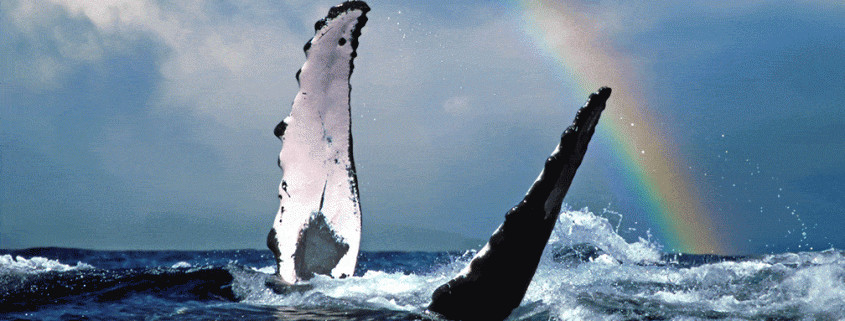
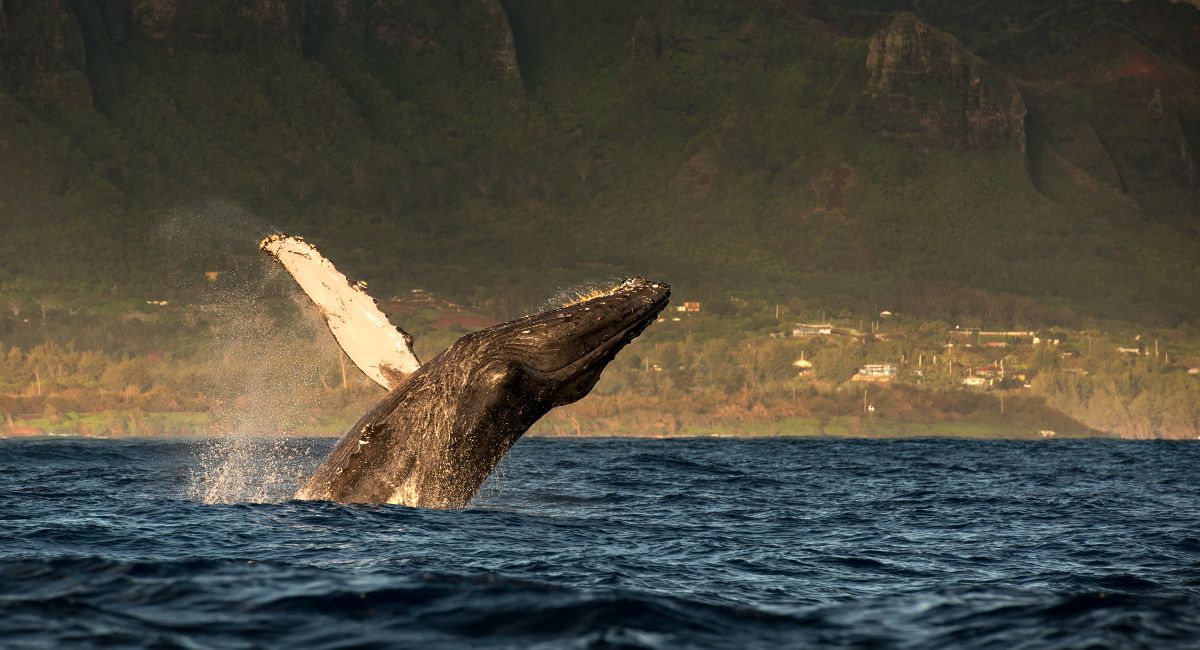
Humpback whales travel to Maui’s warm, shallow waters each winter, and the Hawaiian Islands Humpback Whale National Marine Sanctuary reports they can be seen November through April, with the peak in January, February, and March. Sightings taper at the edges — November and April still deliver, just less reliably. For the full season breakdown, see our Maui whale season guide. Many guests are surprised they can spot spouts and breaches right from the beach during peak weeks; for a closer look, whale-watch boats leave from Maʻalaea Harbor, a short drive from both South and West Maui.
These are protected, endangered animals. Boat captains keep a legal distance, and the same respect applies on shore — give whales, and the honu (green sea turtles) you’ll see hauled out on the sand, plenty of space. Whale watching is one of the seasonal experiences included through the free activities that come with your stay.
Cheapest Time to Visit Maui
If price drives your dates, target September, October, May, or early June. Demand falls in these windows, so airfare and rentals settle well below their peaks. The stretches to avoid for budget are Christmas through New Year and Presidents’ Day weekend, when rates can jump well above shoulder-season prices. Booking direct with a locally owned management company is the other lever — you skip the platform markups that national sites layer on.
When to Stay Where: Matching the Month to the Coast
In the drier months, anywhere on the island is fair game. In the wetter stretch from November through March, lean toward the leeward coasts that shrug off the rain.
For a sun-first winter trip, South Maui delivers — browse our Wailea vacation rentals and our Kihei vacation rentals, both on the dry, sunny side. On the west side, our Kaʻanapali vacation rentals, along with Napili, Kahana, and Honokowai and Kapalua stays, sit on the leeward coast where the weather holds up. Not sure which coast suits your dates? Start with our full range of Maui vacation rentals and we’ll help you land on the right fit.
One planning note that catches first-timers in any season: sunrise at Haleakala requires a reservation through the National Park Service (book up to 60 days ahead), and it’s genuinely cold at the summit — bring layers.
A quick note: this guide is for general planning purposes only and isn’t professional travel advice. Weather, prices, crowds, event dates, and park or reservation requirements can change—verify the specifics for your trip with official sources before you book or go.
Frequently Asked Questions
What is the best month to visit Maui?
For the best mix of weather, lower crowds, and value, aim for late April–May or September–early December. The weather is warm and mostly dry, and prices sit well below the summer and holiday peaks. Choose January–March instead if your priority is whale watching.
What is the cheapest time to visit Maui?
September and October are the cheapest months, with May and early June close behind. Demand drops in these windows, so flights and rentals come down from their peaks. The most expensive dates are Christmas–New Year and Presidents’ Day weekend.
When is whale season in Maui?
Humpback whales can be seen in Maui’s waters November through April, peaking in January, February, and March. You can often spot whales from shore during the peak, and whale-watch boats depart from Maʻalaea Harbor.
What is the rainiest or worst time to visit Maui?
December and March are the wettest months by total rainfall, with most rain falling on the windward (Hana, Upcountry) side while the leeward south and west stay sunny. For crowds and price, the “worst” windows are Christmas–New Year and Presidents’ Day weekend.
When is the best time to snorkel in Maui?
June through October offers the calmest, clearest water for snorkeling. Summer mornings are especially glassy, opening up north-shore spots like Honolua Bay that winter swells make rough.
Is September a good time to visit Maui?
September is one of the best months overall: hot, sunny weather, the year’s thinnest crowds, and some of the lowest prices once summer break ends. It’s a strong pick for budget travelers and couples.
Plan Your Maui Trip
Pick the month that matches your trip, then choose the coast that matches the season — sunny and leeward in winter, anywhere in summer. When you’re ready to set your dates, browse our Maui vacation rentals and book direct with a locally owned, locally operated team that lives here year-round.
About This Guide
This guide draws on first-hand experience hosting guests across Maui’s seasons, alongside primary sources: the Hawaiian Islands Humpback Whale National Marine Sanctuary (whale season), NOAA NCEI climate normals for Kahului (monthly weather), and Haleakala National Park / NPS (sunrise reservations). Crowd and price patterns reflect Maui travel-season norms.