
The Short Answer
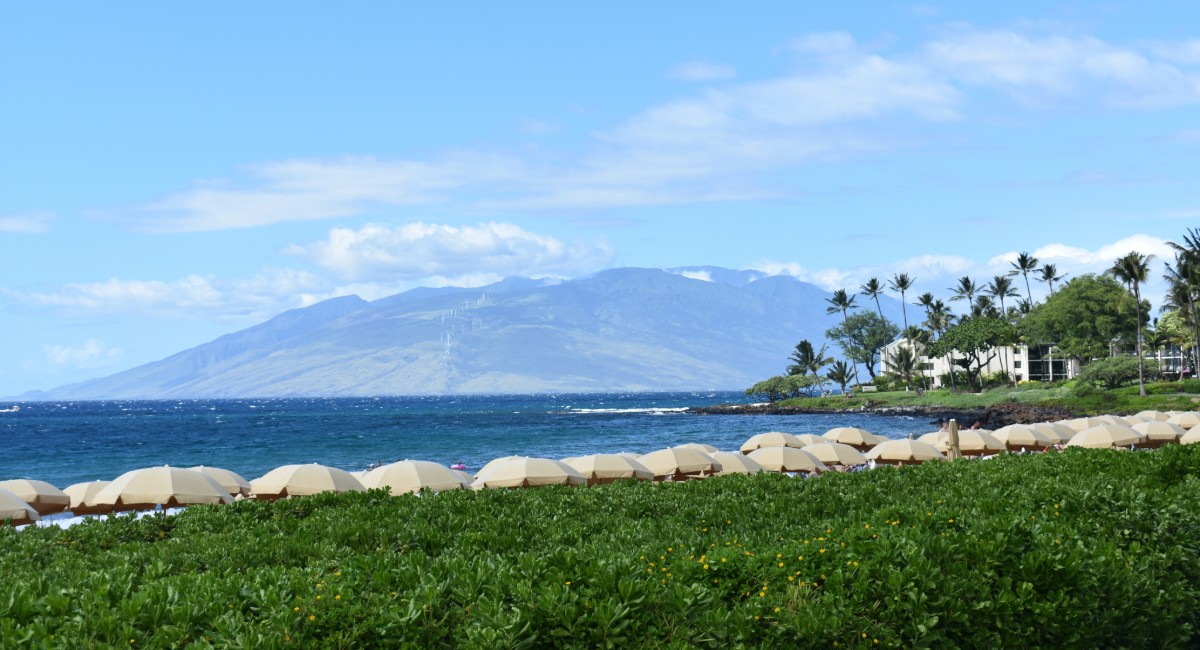
September is one of the best months to visit Maui. Summer crowds thin after Labor Day weekend, Honolua Bay and Kapalua Bay enjoy the clearest conditions of the year, and sea temperatures peak near 80°F. Rates on west- and south-shore vacation rentals tend to run softer than peak summer. It does sit within the peak of Central Pacific hurricane season, so we cover what to know directly. Between the clear water, open bays, and extra breathing room, September is a strong call.
What Does Maui Feel Like in September?
September is one of the quietest and most pleasant months to visit Maui. The summer rush—families on school break, peak Fourth-of-July energy—has moved through, and after Labor Day weekend the island settles into a pace that guests often prefer over peak season.
Warm trade winds blow steady over the ocean, blowing salty air and the scent of plumeria. Mornings are golden and easy. The light shifts in September—warm late afternoons, with sunsets that seem to take their time.
The water temperature sits near its annual peak, typically around 80°F at the surface. Beach parking at popular parks—which can feel competitive in July—becomes more manageable, and scenic drives like the Road to Hana feel a little more relaxed with fewer cars. The waterfalls, black sand beaches, and one-lane bridges are still there; September simply gives you more room to slow down and take it all in.
September Weather on Maui: What to Expect by Region
Maui is not one single climate zone. In the same week, you can experience dry, sunny conditions in Kihei, cooler temperatures in Upcountry, and tropical rain along the Road to Hana. Understanding the island’s microclimates helps you choose where to stay, what to pack, and how to plan your days.
In September, West and South Maui are typically the warmest and driest areas, making Kaʻanapali, Kapalua, Kihei, and Wailea popular bases for beach days and snorkeling. Central Maui tends to be warm and breezy, while Upcountry offers cooler mornings and evenings. Hana remains the wettest region, but that rainfall is what keeps the rainforest, waterfalls, and coastal landscapes so lush.
Explore the interactive guide below for a regional breakdown of September temperatures, rainfall, humidity, and what conditions you can expect across Maui.
September daylight lasts roughly 12 to 12.5 hours, with sunrise around 6:10–6:20 AM and sunset around 6:20–6:40 PM. As the month progresses toward the equinox, sunsets gradually arrive earlier. This gives you plenty of time for full-day adventures like the Road to Hana while still catching golden hour from the west coast.
Weather figures are approximate seasonal averages and can vary year to year. For current conditions during your stay, check the National Weather Service Honolulu forecast.
Is September Hurricane Season in Hawaiʻi?
The Central Pacific hurricane season runs June 1st through November 30th. August and September represent the statistical peak — and that’s also true for Maui.
Most storms that form in the Eastern Pacific track well south of the Hawaiian Islands. But tropical systems can affect Maui with elevated surf, heavy rain, and gusty conditions — especially on the windward (east-facing) coast and in Upcountry.
What this means practically: keep an eye on the National Hurricane Center forecast when building your outdoor itinerary. Book direct with properties that have clear cancellation policies — one concrete reason to book with a locally owned company rather than a third-party platform.
Travel insurance covering weather-related cancellations is worth considering for September. Most visitors aren’t affected by tropical weather. But knowing it’s possible — and having a flexible booking structure — is how you go into September confidently rather than anxiously.
Why September Is One of the Smartest Times to Book
Peak summer demand on Maui — driven by mainland school calendars — carries a pricing premium on vacation rentals, hotels, and popular activity bookings.
September sits in a useful middle position: conditions are still excellent (warmest water, clear bays, consistent south-shore surf for bodysurfers) while pressure on pricing and availability eases. Guests who book in September often tell us they get the island conditions they came for, without the July and August competition for parking, restaurants, and boat tours.
It’s also not the deepest off-season. If you want absolute lowest rates with less flexibility on activities and conditions, late October and November go quieter still. Late August and September are the sweet spots between those two.
Best Things to Do in Maui in September
Snorkeling
For snorkeling, September is one of Maui’s standout months. The north swells that can close exposed northern bays during winter and spring have eased, and calm mornings can bring remarkable visibility along the island’s western coastline.
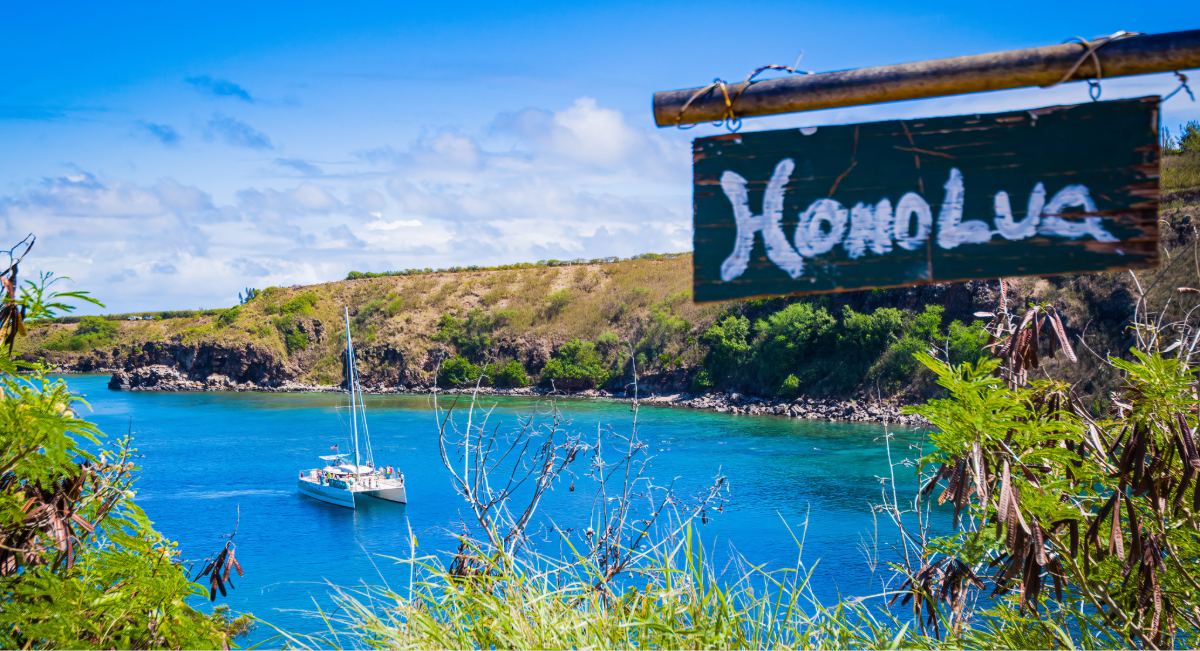
Honolua Bay, a Marine Life Conservation District on Maui’s northwest tip, is one of the island’s most impressive snorkeling locations. On calm September mornings, visibility can reach up to 50 feet, revealing coral and marine life along the rocky edges of the bay.
Kapalua Bay, just south, offers more shelter and is a great choice for families and newer snorkelers. Nāpili Bay is another excellent option, with shallow, generally calm water, coral near the rocky edges, and frequent opportunities to spot honu (Hawaiian green sea turtles) in the shallows.
Always check ocean conditions before entering the ocean—conditions can change quickly depending on swell, wind, and tides. If the water looks cloudy or rough, wait for better conditions or choose a more protected location. Guests who’ve snorkeled these bays tell us September mornings are when the water clarity difference is most noticeable compared to a winter visit.
Molokini Crater
The crescent-shaped volcanic crater off the South Maui coast is one of Maui’s most popular snorkel and dive sites — accessible by boat from Maʻalaea Harbor. September’s calm water means good visibility in the crater, and the crowds run lighter than summer. Most boats depart early in the morning; the inner bowl is perfectly appropriate for snorkelers of most levels.
Road to Hāna
The Hana Highway is stunning and demanding in equal measure — 600-plus curves, one-lane bridges, and a drive that’s meant to be taken slow. September brings lush greenery from late-summer rain on the windward coast. Waterfalls run strong, the black sand beach stays cool underfoot, and mist clings to the forest canopy through much of the morning. Start early (on the road by 7 AM), check road conditions before you go, and schedule enough time to stop rather than drive through. Most visitors treat the Road to Hana as an out-and-back trip; check current road conditions before you go, since access and route restrictions can change. We hear from guests doing the drive in September that lighter through-traffic compared to summer makes the one-lane bridges noticeably less stressful.
Haleakalā
Sunrise at the 10,000-foot summit is a different experience in September than at sea level — fairly cold at around 40°F, and often above a blanket of cloud. Bring warm layers regardless of the beach temperature you left behind and make sure to reserve through recreation.gov well in advance. The drive up at 3 AM through the dark, then the slow brightening of the sky above the crater edge, is one of those things you don’t forget.
The summit also makes an excellent mid-day or sunset stop, with panoramic crater views, the Visitor Center, and the rare silversword plant, which grows nowhere else on Earth. Stay on marked trails, as these remarkable plants are slow to recover from even a single footstep off the path.
Beaches by Coast
West side beaches like Kaʻanapali and Kapalua are typically calm in September, while south shore beaches in Kihei and Wailea offer reliable sunshine in Maui’s driest microclimate. If summer south swells linger into early September, bodysurfers often head to south shore breaks—but always ask locally before entering unfamiliar surf.
If you’re looking for a break from the beach, or need a weather-flex activity, Maui Ocean Center in Maʻalaea is an excellent choice. The aquarium offers a close-up look at the coral reefs, sea turtles, sharks, and other marine life you may encounter offshore.
Luʻau and Cultural Events
Commercial luʻau and community cultural events offer very different experiences, and knowing which you’re attending helps set the right expectations. Resort luʻau are professionally produced evening shows that typically combine food, music, and hula, with varying experiences by venue. Community events, such as the Festivals of Aloha (see below), focus on local traditions and bring together Hawaiian music, hula, and cultural celebrations rooted in the island’s communities.
What Happens on Maui in September?
September is one of Maui’s strongest months for cultural events, with festivals and community celebrations taking place across the island. Most return annually, though dates vary from year to year, so it’s worth confirming the schedule before you travel.
Festivals of Aloha – Maui Nui: This free, island-wide celebration showcases Hawaiian culture through music, hula, cultural demonstrations, and community gatherings. Running from September into October, events take place across Central Maui, West Maui, and Upcountry. The 2026 festival marks its 80th anniversary, making it one of the highlights of Maui’s cultural calendar. Check the official Hawaii Guide site for the current Maui Nui schedule.
Wailuku First Friday: Held on the first Friday of every month, this lively street festival transforms Market Street with live music, local food vendors, artists, and family-friendly activities. The September edition is typically expanded as part of the Festivals of Aloha.
Richard Hoʻopiʻi Leo Kiʻekiʻe Falsetto Contest: This annual men’s falsetto singing competition honors legendary musician Richard Hoʻopiʻi and typically takes place in mid-September at a Kapalua resort. It’s one of Maui’s most distinctive live music traditions.
St. John’s Kula Festival: This long-running Upcountry community festival typically takes place in late September, bringing together local food, live entertainment, artisan vendors, and family activities in Kula — unhurried and community-rooted.
Where to Stay: West Maui or South Maui?
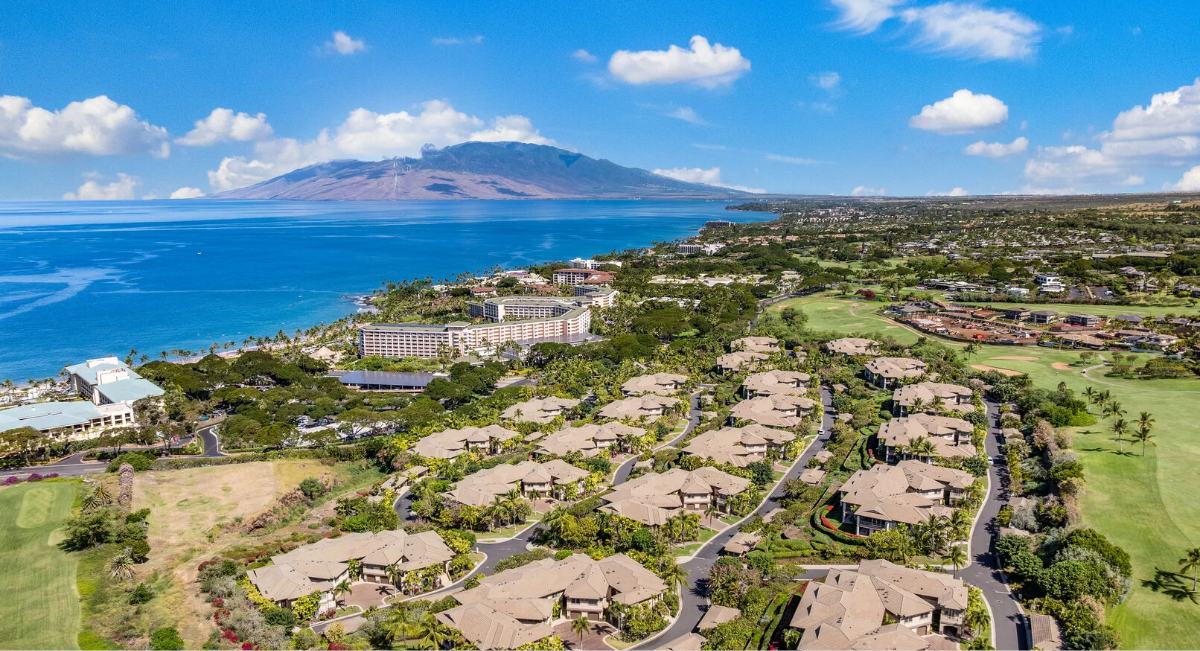
Choosing between West and South Maui comes down to the kind of September vacation you’re planning. Both offer excellent weather this time of year, but each has its own strengths. Guests weighing the two often tell us the decision comes down to snorkeling access versus dependable sun — both are honest tradeoffs, not a wrong choice.
West Maui—including Kaʻanapali, Kapalua, and Napili—is the better base if snorkeling and scenic coastal drives are high on your list. You’ll be within easy reach of Honolua Bay, Kapalua Bay, and Napili Bay, with Wailuku close enough for day trips to Festivals of Aloha events. Expect warm evenings, occasional passing showers, and some of Maui’s most spectacular sunsets along the coastline.
South Maui—centered around Kihei and Wailea—is the island’s driest region, making it the most reliable choice for consistently sunny beach days. It’s also the most convenient base for Molokini snorkel tours, with many boats departing from nearby Maʻalaea Harbor. Wailea offers an upscale resort experience, while Kihei has a more relaxed atmosphere with a wide range of accommodations, restaurants, and beaches.
Either coast is an excellent choice in September. If your trip revolves around snorkeling, dramatic sunsets, and access to West Maui’s famous bays, stay on the west side. If dependable sunshine and easy access to Molokini are higher priorities, South Maui is likely the better fit.
If you’re still deciding where to stay, browse our current Maui accommodation deals to compare vacation rentals across both regions. Booking directly also gives you access to our on-island team, who can provide up-to-date advice on local conditions, what’s open, and recommendations tailored to a September visit.
What to Pack for Maui in September
- Light layers for evenings – Trade wind breezes can make evenings on the lanai surprisingly comfortable with a light sweater or long-sleeve.
- Warm clothing for Haleakala – Summit temperatures can drop to around 40°F (4°C), regardless of how warm it feels at sea level.
- A lightweight rain jacket – September is relatively dry across much of Maui, but the Road to Hana and the island’s windward coast can still see frequent showers.
- Mineral-based sunscreen – Hawaiʻi prohibits sunscreens containing oxybenzone and octinoxate, and Maui County allows only mineral sunscreens to be sold or used. Bringing reef-safe sunscreen from home is the easiest option.
- Water shoes – Helpful for entering rocky snorkeling spots like Honolua Bay and Napili Bay.
- Your own snorkel gear (optional) – Rentals are widely available, but bringing a well-fitting mask can make a noticeable difference, especially with September’s typically clear water.
Before You Go: Don’t forget to reserve your Haleakalā sunrise permit through recreation.gov well in advance, and consider travel insurance that includes weather-related trip interruption or cancellation coverage.
Ready to Plan Your September Trip?
September is one of the best times to experience Maui, with warm ocean temperatures, excellent snorkeling conditions, fewer crowds than peak season, and a calendar filled with cultural events.
Maui Paradise Properties is locally owned and operated, offering vacation rentals across West and South Maui—putting you close to many of the beaches, snorkeling spots, and attractions featured in this guide.
Book direct at MPPVacations.com for the best available rate and direct access to our on-island team. Whether you’re looking for the latest conditions in West Maui, local recommendations, or help planning your September itinerary, our team is here to help you make the most of your stay.
Frequently Asked Questions: Maui in September
Is September a good time to visit Maui?
Yes. September offers some of Maui’s best conditions for many travelers: warm ocean temperatures, smaller north swells, excellent snorkeling access, lighter summer crowds, and often softer rates compared with July. The trade-off is that August and September fall within the peak period of Central Pacific hurricane season, which is worth understanding and planning around rather than avoiding.
Is September hurricane season in Maui? Should I be concerned?
September falls within the middle of Pacific hurricane season (June 1–November 30), with August and September typically being the most active months statistically. Direct landfalls on Maui are historically rare, but tropical systems can bring elevated surf, rain, or changes to travel plans. Flexible cancellation policies and travel insurance can provide valuable peace of mind.
Which snorkeling spots are best in September on Maui?
Honolua Bay is a standout, as the larger north swells common in winter are typically less of a factor, and visibility can reach up to 50 feet on calm mornings. Kapalua Bay and Napili Bay are reliable, sheltered options for families and newer snorkelers. Molokini Crater is also worth considering as a morning boat trip from Maʻalaea Harbor. Always check conditions before entering—the ocean can change quickly.
Is September cheaper than summer on Maui?
Generally yes, particularly after Labor Day weekend. Summer demand driven by school schedules often carries a pricing premium, while September tends to bring more availability and softer rates on vacation rentals without the peak-season crowds. It’s one of the better value windows on Maui’s calendar.
What cultural events happen in September on Maui?
The Festivals of Aloha Maui Nui is one of the major September events—a free, island-wide celebration of Hawaiian culture through music, hula, and community gatherings that runs from September into October. Wailuku First Friday and the Richard Hoʻopiʻi Falsetto Contest also take place around this time in most years. Dates shift annually, so verify schedules before you travel.
Do I need a sunrise reservation for Haleakala in September?
Yes. Sunrise access to Haleakala National Park requires a reservation through Recreation.gov, and popular dates can sell out in advance. September sunrises above the cloud line are often clear, but temperatures at the summit can still be around 40°F at 10,000 feet regardless of the beach weather below. Bring proper warm layers.
About This Guide
This guide was researched and written by the Maui Paradise Properties editorial team in July 2026 based on on-island experience, verified weather data, and current event information. Primary sources include the NOAA National Centers for Environmental Information (1991–2020 climate normals), the NOAA Central Pacific Hurricane Center for hurricane season dates and climatology, and mauihawaii.org for regional precipitation averages. Sunrise and sunset times are sourced from timeanddate.com for Maui, September 2026. Festival information is drawn from the official Aloha Festivals website and Hawaii News Now. Haleakalā sunrise reservation details are verified through recreation.gov. Reef-safe sunscreen requirements reflect Hawaii Act 104 (effective January 2021) and the Maui County non-mineral sunscreen ordinance (effective 2022). We update this guide when conditions, road access, or event schedules change — if you notice something out of date, contact our team directly at MPPVacations.com.