The Short Answer
Planning your first trip to Maui comes down to four decisions: how many days, which coast, whether to rent a car, and what to skip. Give yourself 5 to 7 days minimum, pick one home base instead of hopping between towns, and rent a car — the island isn’t built for getting around without one. Most first-timers base in South Maui (Wailea or Kihei) or West Maui (Kaʻanapali, Napili, or Kapalua); both are sunny and within reach of the big days out. Build your trip around one Road to Hana day, one Haleakala sunrise, a couple of beach and snorkel days, and real downtime. The most common first-timer mistake is trying to do everything.
- How long: 5 days minimum, 7–10 to actually relax
- Where to stay: one home base in South or West Maui — don’t move hotels mid-trip
- Getting around: rent a car; the bus won’t get you to Hana or sunrise
- Don’t miss: Road to Hana, Haleakala sunrise (reservation required), snorkeling
- Don’t overdo it: leave arrival day light and build in slow mornings
How Many Days Do You Need in Maui?
Five days is the floor for a first trip, and seven to ten is the sweet spot. With five days you can fit one Road to Hana day, a Haleakala sunrise, and two or three beach and snorkel days without feeling rushed. Stretch to a week or more and you add breathing room — slow mornings, a second snorkel spot, an afternoon Upcountry — which is the part most first-timers wish they’d planned for.
One piece of advice we give every guest: keep your arrival day light. Flights to Maui are long, you’re likely landing in the afternoon, and jet lag is real. Pick up the rental car, grab groceries, watch the sunset near where you’re staying, and save the big drives for day two.
Where to Stay in Maui for the First Time
Here’s the single most useful planning decision: pick one home base and stay put. Maui tempts first-timers into booking two or three towns across a week, but every move costs you a half-day of packing, checking out, and resettling — daylight you’d rather spend on the beach. Choose one place and do day trips from it.
For most first-timers, that base is on the sunny, leeward side, and it comes down to South Maui or West Maui.
South Maui — Wailea and Kihei. Wailea is the polished, calmer end: manicured resorts, golf, quieter beaches. Kihei is more relaxed and central, with an easy reach to both Haleakala and the road toward Hana, plus a lot of value for the money. Browse our South Maui vacation rentals to compare.
West Maui — Kaʻanapali, Napili, and Kapalua. Kaʻanapali is the classic Maui resort beach, wide and golden with a walkable beachfront path. Napili and Kapalua sit just up the coast with a calmer pace and gorgeous coves. See our West Maui vacation rentals for the range.
Both coasts get similar access to the island’s main attractions, so don’t agonize over which is “closer to everything” — they’re roughly even, and Molokini snorkel trips leave from Maʻalaea Harbor, between the two. Choose on feel: South Maui leans drier and more open; West Maui has that resort-beach energy.
Vacation rental or hotel? For a first trip, a vacation rental earns its keep: a kitchen for breakfasts and packing snacks for long drive days, separate bedrooms so early risers don’t wake the crew, laundry for a week of beach clothes, and more room than a hotel for the same money. If you want a specific size or amenity, start with our full range of Maui vacation rentals and we’ll point you to the right fit.
Every reservation also includes free activities through our Xplorie partnership — a daily complimentary ticket to experiences like a snorkel sail or a seasonal whale watch.
Getting Around Maui: Do You Need a Car?
Yes, plan on renting a car. Maui has a public bus run by the County of Maui, but it runs limited fixed routes, doesn’t reach the Road to Hana, and won’t get you up Haleakala for sunrise. Almost everything that makes a first Maui trip worth it sits at the end of a drive, so a rental car is less a convenience than a requirement.
Drive times are short but not nothing. From a West Maui base, Kahului Airport is about 45 minutes to Kaʻanapali and up to an hour or more to Kapalua; from South Maui, it’s closer to 20–30 minutes to Kihei and about 30 minutes to Wailea. The start of the Road to Hana from Kihei is roughly 2–2.5 hours; from West Maui, allow about 2.5 hours or more.
The Experiences Every First-Timer Should Plan Around
A few days on Maui practically build themselves around these.
The Road to Hana. Maui’s famous coastal drive is 620 curves and 59 bridges of waterfalls, rainforest, and overlooks. It’s not as white-knuckle as its reputation, but it is long — start at sunrise, pull over for faster local drivers, and don’t try to drive the rough backside past Kipahulu in a rental. Treat it as the whole day, not a stop.
Haleakala sunrise. Watching the sun come up from 10,000 feet, above the clouds, is a first-trip highlight — and it requires a sunrise reservation through the National Park Service, bookable up to 60 days out. Dress for it: summit temperatures before dawn can range from below freezing to the low 40s, even when the beach is in the 80s.
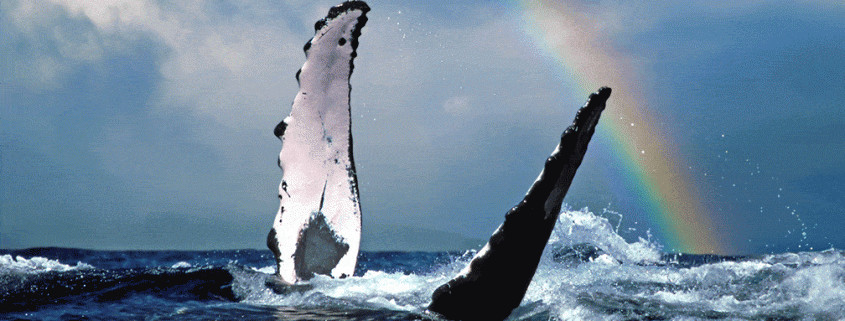
Snorkeling and whales. Maui’s leeward reefs and Molokini Crater are first-timer favorites, calmest and clearest in the summer months. If you visit between November and April, you’ll likely see humpback whales — often right from shore. See our Maui whale season guide for where and when to look.
Not sure when to come for the trip you want? Our visitors guide to Maui breaks it down season by season.
What First-Time Visitors Get Wrong
The mistakes are predictable, which makes them easy to avoid.
Cramming the itinerary. The biggest one. First-timers try to see the whole island in a few days and spend the trip in the car instead of on the beach. Plan fewer things and leave room to do nothing.
Underestimating drive times. Maui looks small on a map. The Road to Hana alone is most of a day, and a “quick” cross-island hop can eat an afternoon. Build the day around one anchor activity.
Doing only the Road to Hana and skipping Upcountry. The cooler slopes of Kula and Makawao — lavender farms, ranch country, big views — feel like a different island and stay far less crowded.
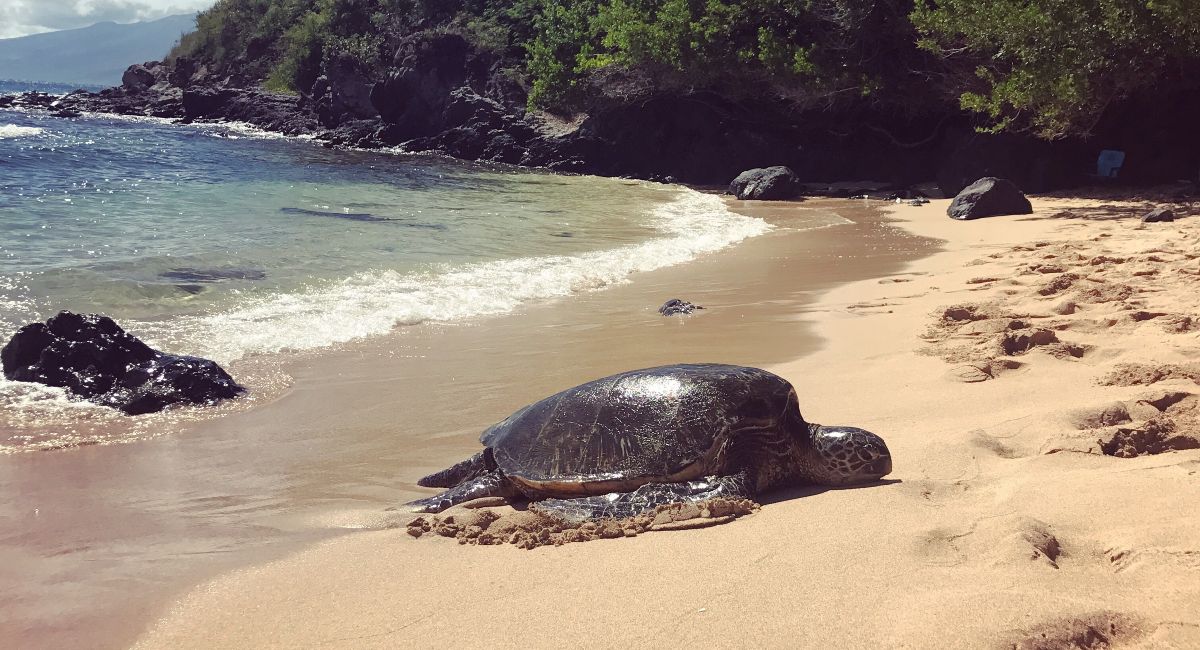
Forgetting the island isn’t a backdrop. Maui is a living place, not a theme park. A little kuleana (responsibility) goes a long way: keep at least 10 feet from honu (green sea turtles) and at least 50 feet from monk seals resting on the sand, wear reef-safe mineral sunscreen (required by Maui County ordinance), and stay on marked trails.
When to Go and What to Pack
Maui is warm year-round, with daytime temperatures mostly in the 80s, so there’s no bad month — only months that suit different trips. Whale season runs November through April; summer brings the calmest water; spring and fall offer the best balance of weather, value, and smaller crowds. Pack reef-safe mineral sunscreen, water shoes for rocky entries, and — this surprises people — a warm layer for Haleakala and cool Upcountry evenings.
A quick note: this guide is for general planning purposes only and isn’t professional travel advice. Prices, drive times, schedules, and park or reservation requirements can change—verify the specifics for your trip with official sources before you book or go.
About This Guide
This guide reflects first-hand experience hosting first-time Maui guests, plus primary sources: Haleakala National Park / NPS (sunrise reservations), the Hawaiʻi Tourism Authority’s official Road to Hana guide (drive details), and the County of Maui bus system (getting around). Trip-length and where-to-stay guidance reflects common first-timer planning patterns.
Frequently Asked Questions
How many days do you need in Maui for a first trip?
Five days is the minimum to fit the Road to Hana, a Haleakala sunrise, and a few beach days without rushing. Seven to ten days is ideal, giving you time to slow down, add a second snorkel spot, and explore Upcountry.
Which side of Maui should first-time visitors stay on?
Most first-timers base in South Maui (Wailea or Kihei) or West Maui (Kaʻanapali, Napili, or Kapalua). Both are sunny and have similar access to the island’s main attractions, so choose on feel — South Maui is drier and more open, West Maui has the classic resort-beach scene.
Do you need a rental car in Maui?
Yes. The public bus runs limited routes and doesn’t reach the Road to Hana or Haleakala sunrise. A rental car is effectively required to see the island and reach the experiences first-timers come for.
Is a vacation rental or hotel better for a first trip to Maui?
A vacation rental usually wins for first-timers: a kitchen for breakfasts and drive-day snacks, separate bedrooms, in-unit or on-site laundry for a week of beach clothes, and more space than a hotel for similar money.
How long does the Road to Hana take?
The drive is about 3 hours each way from Kahului without stops, but with waterfalls and overlooks it’s a full day. Start at sunrise and don’t plan anything demanding for that evening.
Do you need a reservation for Haleakala sunrise?
Yes. The National Park Service requires a sunrise reservation for the summit, bookable up to 60 days in advance, and they go quickly. Dress warmly — temperatures can drop below freezing before dawn.
Start Planning Your First Maui Trip
Lock in your dates, choose one home base on the coast that fits your style, and build the week around a few big days with plenty of slow mornings in between. When you’re ready, browse our Maui vacation rentals and book direct with a locally owned, locally operated team that lives here and plans these trips every day.