
Quick Answer: When and Where to See Humpback Whales on Maui
Maui’s whale season runs from December through mid-April, with peak viewing from mid-January through March when thousands of North Pacific humpback whales (koholā) migrate 3,000+ miles from Alaska to Hawaiʻi’s warm waters. You can witness these majestic 40-ton creatures breaching, tail-slapping, and nursing their calves from shore at locations like McGregor Point Lookout, Kamaʻole Beach Park, and Kapalua Bay, or join certified whale watching tours departing from Māʻalaea Harbor. February brings the World Whale Day celebrations and Great Whale Count, offering educational events and community science opportunities through the Pacific Whale Foundation.
What Makes Maui Whale Season So Special?
Between December and mid-April, Maui transforms into the world’s premier humpback whale nursery as approximately 10,000-12,000 North Pacific humpbacks gather in the protected waters of the Maui Nui Basin—the shallow channel between Maui, Molokaʻi, Lānaʻi, and Kahoʻolawe.
No time to read? Watch our video:
Picture yourself standing on a sun-warmed beach in Kīhei, trade winds carrying the scent of salt and plumeria across your face. The turquoise water stretches before you, calm as glass in the morning light. Then, a spout erupts offshore, followed by the thunderous splash of a 40-ton humpback launching itself skyward in a full breach. Your heart races. The whale crashes back into the ocean, sending up a fountain of white water that catches the golden morning sun. This is whale season on Maui: raw, powerful, and utterly unforgettable.
What makes Hawaiʻi’s waters so attractive to these marine giants? The Hawaiian Islands Humpback Whale National Marine Sanctuary, established by Congress in 1992 and managed by NOAA, protects over 1,400 square miles of coastal waters specifically for koholā. The Maui Nui Basin offers ideal conditions: warm temperatures (74-78°F), shallow depths (under 600 feet), excellent underwater visibility, and an absence of natural predators like orcas. Here, female humpbacks give birth to 10-15-foot calves weighing up to 2,000 pounds, nurse them on milk that’s 40% fat (compared to the 2% in cow’s milk), and prepare them for the grueling 3,500-mile journey back to Alaskan feeding grounds.
According to research published by the Marine Mammal Research Program at the University of Hawaiʻi at Mānoa, the 2025 field season documented significant whale activity, with researchers spending 534 hours on the water between mid-December and April. Their findings contribute to ongoing conservation efforts and help scientists better understand humpback life history and health.
The Cultural Significance of Koholā
In Hawaiian culture, humpback whales are known as koholā and hold deep spiritual significance as ʻaumākua—ancestral guardian spirits. They are closely associated with Kanaloa, the god of the ocean and all marine life. Early Polynesian settlers recognized these magnificent creatures in their moʻolelo (stories) and oral traditions. Archaeological evidence at sites like Olowalu on Maui, Pūhue on Hawaiʻi Island, and Palaoa Hill (Whale Hill) on Lānaʻi reveals ancient petroglyphs depicting whales and human figures riding on their backs, powerful symbols of the connection between people and the ocean.
Their annual return each winter was understood as part of the natural rhythm of the islands, a seasonal homecoming that native Hawaiians welcomed and respected.
When Is Peak Whale Watching Season on Maui?
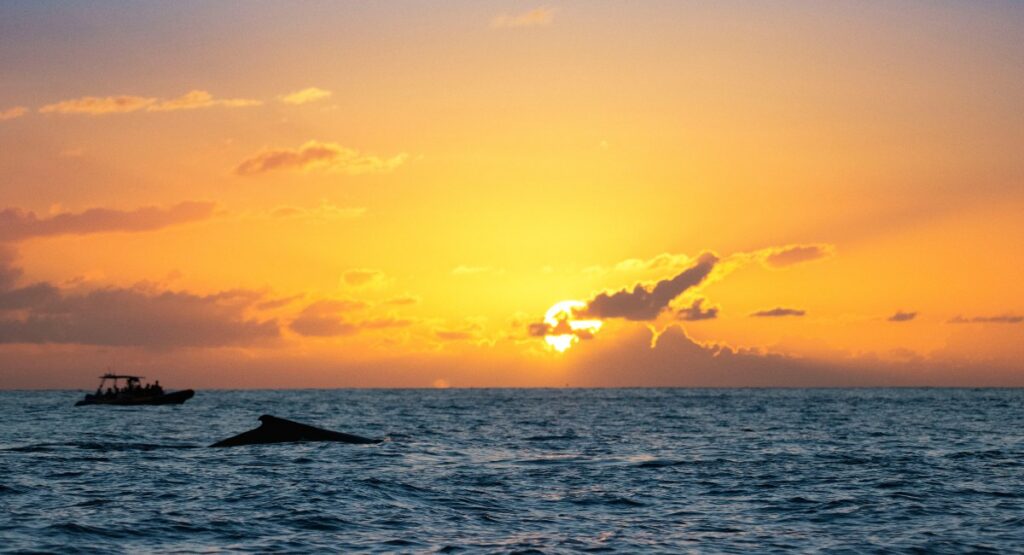
Peak whale watching occurs from mid-January through mid-March, when sightings happen on 95%+ of boat tours, and whales can be spotted daily from shore, with February offering the highest whale density and most active surface behaviors, including breaching and competition pods.
Month-by-Month Whale Season Timeline
Mid-December (Early Season) The first adventurous humpbacks begin arriving in Hawaiian waters as early as late September, though these are outliers. According to Whale Trust, the first confirmed sighting of the 2025-26 season occurred on September 21, 2025. By November, early arrivals—typically adult males scouting breeding areas—become more common. December 15 marks the official start of whale season as designated by the Hawaiian Islands Humpback Whale National Marine Sanctuary.
During these early weeks, you might spot occasional breaches and blows, but sightings require patience. Morning hours offer the calmest conditions for viewing. The shallow waters off South Maui begin to show activity first.
January – March (Peak Season) This is when Maui’s waters truly come alive. Thousands of humpbacks converge in the ʻAuʻau Channel, and you can witness spectacular displays almost constantly. Mother-calf pairs become common sights—watch as newborn calves practice their breaching while their mothers rest nearby. Male competition pods form dramatic chase sequences, with multiple bulls vying for a female’s attention through aggressive displays of tail-slapping, head-lunging, and powerful breaching.
The Hawaiian Islands Humpback Whale National Marine Sanctuary’s 2025 data shows volunteers counted 2,121 humpback whales across all Hawaiian Islands during their first coordinated count on January 25, with an impressive 702 sightings right here on Maui in just one day.
You can often hear the haunting male whale songs underwater during snorkeling trips. These complex vocalizations—which can last up to 20 minutes and be heard from miles away—remain one of the ocean’s greatest mysteries. Scientists still don’t fully understand why male humpbacks sing, though theories suggest the songs play a role in mating displays or territorial communication.
April – May (Late Season) As April arrives, the frequency of sightings begins to taper as whales prepare for their northern migration. However, late-season viewing offers its own rewards—you’re most likely to see mother-calf pairs during this period, as newborn calves must reach sufficient size and strength before attempting the long journey to Alaska. These tender moments of mothers nursing and teaching their young to navigate the open ocean provide intimate, touching encounters.
By mid-May, the last stragglers depart, leaving Maui’s waters quiet until the cycle begins again in November.
Where Are the Best Places to See Whales on Maui?
The Honoapiʻilani Highway stretch between Māʻalaea and Lahaina, along with South Maui beaches in Kīhei and Wailea, provides premier shore viewing, while boat tours departing from Māʻalaea Harbor enter the whale-dense ʻAuʻau Channel where sightings are nearly guaranteed during peak season.
Top Shore Viewing Locations
West Maui
- McGregor Point Lookout (Papawai Point): Perhaps Maui’s most reliable whale-watching spot, this elevated pullout along Highway 30 between Māʻalaea and Lahaina offers panoramic views of the ʻAuʻau Channel. The Pacific Whale Foundation stations marine naturalists here daily from 8:00 AM to 2:00 PM during whale season, providing free educational information and helping visitors spot whales. Arrive early for parking, bring binoculars, and prepare to be amazed by breaches visible in every direction.
- Kapalua Bay: North of Kāʻanapali, this crescent-shaped bay provides stunning sunset whale viewing. Watch as the golden light illuminates breaching whales against the silhouette of Molokaʻi in the distance. The volcanic rocks and tide pools create a natural amphitheater, amplifying the visual drama.
- Kāʻanapali Beach Boardwalk: This three-mile stretch of pristine white sand offers consistent sightings, especially near Black Rock. Walk the beachside path between Black Rock and the Hyatt, scanning the horizon for spouts and breaches. Multiple ocean-view restaurants along the boardwalk—including those at Whalers Village—allow you to enjoy dine while watching whales perform offshore.
South Maui
- Kamaʻole Beach Parks (Kam I, II, III): These three adjacent parks in Kīhei provide expansive ocean views with grassy areas perfect for setting up beach chairs. Kamaʻole III offers particularly good sightings at sunrise and sunset, when the calm water and angled light make it easier to spot spouts and dorsal fins. The parks include amenities like restrooms, showers, and picnic tables—ideal for spending an entire day watching whales between swims.
- Wailea Beach Path: This paved coastal trail winds 1.5 miles from the Fairmont Kea Lani to Polo Beach, connecting luxury resorts with stunning ocean vistas. Morning walks often reward you with close-up views of mother-calf pairs resting in the protected waters just offshore. The path offers multiple access points, benches for resting, and minimal crowds compared to West Maui beaches.
- Hawaiian Islands Humpback Whale National Marine Sanctuary Visitor Center: Located at 726 South Kīhei Road, this educational facility sits right on the beach with viewing areas equipped with spotting scopes. Inside, interactive exhibits teach visitors about whale biology, migration patterns, and conservation efforts. Rangers and volunteers provide expert guidance on what behaviors to watch for and answer questions about these remarkable creatures.
Best Whale Watching Tours
While shore viewing offers peaceful, contemplative encounters, nothing compares to experiencing whales from the water. Tours departing from Māʻalaea Harbor enter the heart of the ʻAuʻau Channel, where the highest concentrations of humpbacks gather. Federal regulations require boats to maintain 100 yards distance from whales—but the whales themselves often approach closer, offering breathtaking encounters.
PacWhale Eco-Adventures (Pacific Whale Foundation): This nonprofit-owned tour operator employs Certified Marine Naturalists on every trip, ensuring you receive expert commentary grounded in nearly four decades of marine research. Tours range from two-hour whale watches to combination snorkel-whale adventures. Hydrophones aboard vessels let you hear whale songs in real-time—an otherworldly experience that adds profound depth to your encounter. Booking supports the foundation’s ongoing conservation and research programs.
Dive Maui: Offering guaranteed whale sightings or your money back, Dive Maui operates four daily tours from Lahaina on rigid-hull inflatable rafts. These smaller vessels sit low in the water, creating an intimate, eye-level perspective as whales surface nearby. The experienced crew—passionate about Maui’s marine life—shares their knowledge while positioning the boat for optimal viewing and photography opportunities.
Sail Maui: For those seeking a more relaxed experience, these catamaran sailing tours combine whale watching with the serenity of wind-powered travel. No engine noise means you can hear the whales’ breathing and tail slaps more clearly. Most tours include light meals, beverages, and comfortable seating areas with shade.
Viewing Tips for Best Results
- Timing: Early morning (6:30-9:00 AM) offers the calmest seas and best visibility before trade winds pick up. Late afternoon (3:00-5:30 PM) can provide dramatic lighting for photography and increased whale activity as temperatures cool.
- What to Bring: Binoculars (essential for shore viewing), reef-safe sunscreen, wide-brimmed hat, polarized sunglasses (reduce water glare), camera with good zoom, light jacket or windbreaker for boat tours, and reusable water bottle.
- Scan the Horizon: Look for telltale signs—vertical spouts (whales’ breath), splashes from breaches or tail slaps, dorsal fins, and groups of birds that sometimes gather near feeding activity.
- Be Patient: Even during peak season, whales move continuously. Sometimes they’re visible for extended periods; other times they dive for 10-15 minutes between surfacing. Patience rewards you with spectacular shows.
What Behaviors Can You Expect to See?
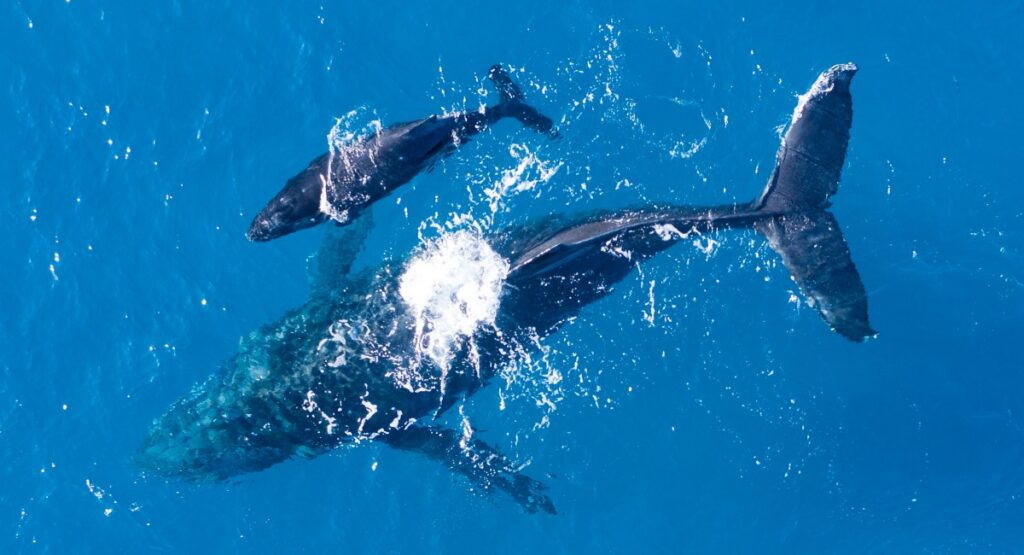
During peak season, you’ll commonly witness breaching (whales launching their entire bodies out of water), tail-slapping, pectoral fin waving, spy-hopping (lifting heads vertically to look around), and mother-calf interactions, with competition pods—groups of males aggressively competing for females—providing the most dramatic displays.
Understanding Humpback Whale Surface Behaviors
Breaching: The most spectacular behavior—a full-bodied leap from the water followed by a thunderous crash on reentry. Scientists theorize breaching serves multiple purposes: communication over long distances, removing parasites, , or simply playing. A 40-ton humpback generates tremendous force to propel itself skyward, and witnessing this display never loses its power to inspire awe.
Tail Slapping (Lobtailing): The whale lifts its massive tail flukes and forcefully slaps them against the water surface, creating loud percussion that can be heard for miles. Scientists think lobtailing may be used for communication, social interaction, or to express heightened activity or excitement, but its exact purpose is still being studied.
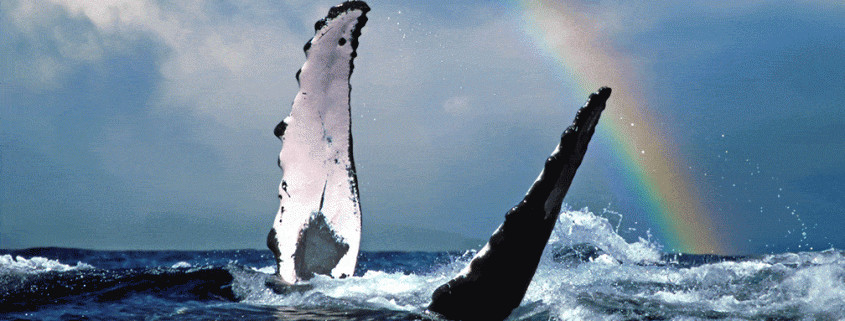
Pectoral Fin Slapping: Humpbacks possess the longest pectoral fins of any whale species—up to 16 feet long. They roll sideways and slap these appendages against the water, creating impressive splashes. This behavior may help with thermoregulation, communication, or simply playfulness.
Spy-Hopping: One of the most curious behaviors—whales lift their heads vertically out of the water, rotating slowly to scan their surroundings above the surface. Their eyes work equally well in air and water, suggesting spy-hopping serves a genuine observational purpose. You might lock eyes with a whale during this behavior—a profound moment of interspecies connection.
Competition Pods: When multiple male humpbacks compete for access to a female, the result is one of nature’s most intense displays. The “principal escort” positions himself closest to the female, while challengers try to displace him through physical aggression—ramming, tail-thrashing, and creating massive curtains of bubbles to confuse rivals. These high-speed chases can last hours, with males exhausting themselves in pursuit of mating opportunities.
Resting Behavior: Not all whale activity is dramatic. You’ll often see pairs or small groups floating nearly motionless at the surface, conserving energy between more active periods. Mother-calf pairs spend significant time resting, with calves nursing and learning essential survival skills.
How Can You Experience Maui’s Whale Festival Events?
The World Whale Day celebration on February 15, 2026, features educational presentations, the Great Whale Count volunteer initiative, World Whale Film Festival, specialty whale watching cruises, and community gatherings hosted by Pacific Whale Foundation across multiple Maui venues throughout February.
2026 World Whale Day Celebrations
Founded in 1980 by Greg Kaufman, creator of the Pacific Whale Foundation, World Whale Day was established to raise awareness about humpback whales and the threats they face. What began as a Maui-based celebration has grown into a globally recognized event honoring these magnificent creatures and the ocean ecosystems they inhabit.
For 2026, Pacific Whale Foundation is celebrating its 45th anniversary with an expanded week of events honoring marine conservation, cultural traditions, and community connection:
Opening Ceremony (Early February): A traditional Hawaiian blessing at Mākena, featuring opening remarks, previews of the week’s events, hosted pūpū, refreshments, and oceanfront sunset views.
World Whale Film Festival (February 11, 2026): Returning to the historic ʻĪao Theater in Wailuku, this evening showcases powerful short films exploring ocean conservation, marine wildlife protection, Indigenous ecological knowledge, and environmental stewardship. Filmmakers from Hawaiʻi and around the world share stories that inspire ocean advocacy. The festival provides the community with an elevated viewing experience while supporting Pacific Whale Foundation’s mission.
Great Whale Count (Last Saturdays in January, February, March): This community science initiative, coordinated with the Hawaiian Islands Humpback Whale National Marine Sanctuary’s Ocean Count, mobilizes hundreds of volunteers across Maui to document humpback whale sightings from shore. In 2025, 429 volunteers collected data from 41 sites across the Hawaiian Islands, counting a total of 2,121 humpbacks in a single day. Participation requires no special training—just enthusiasm and willingness to contribute to long-term whale population monitoring.
Mālama Pono Volunteer Service Opportunities: Throughout February, Pacific Whale Foundation organizes hands-on stewardship projects including beach cleanups, coastal restoration, and educational outreach. These opportunities allow visitors and residents to give back to the island while deepening their connection to Maui’s marine environment.
Specialty Whale Watching Cruises: PacWhale vessels offer unique educational cruises during World Whale Day week, blending expert marine biology insights with cultural perspectives and up-close whale encounters. These limited-availability trips often sell out quickly.
Community Parade and Celebrations: The capstone World Whale Day event brings thousands together for a vibrant, family-friendly parade through town, featuring floats, live Hawaiian music and entertainment, food vendors, local artists and craftspeople, children’s activities and eco-education stations, and ocean conservation exhibits.
For complete schedules and ticketing information, visit Pacific Whale Foundation’s website.
How to Participate Responsibly
Whale season brings tremendous visitor interest, which creates both opportunities and responsibilities. Here’s how to enjoy whale watching while respecting these protected animals and the places they inhabit:
Follow Federal Regulations: It’s illegal to approach within 100 yards of a humpback whale. Never attempt to swim with, touch, or chase whales. These laws protect both the animals and observers—frightened whales can accidentally injure people with their powerful tail flukes.
Choose Responsible Tour Operators: Look for companies employing Certified Marine Naturalists, following NOAA guidelines, supporting conservation efforts, and demonstrating cultural respect for Hawaiian traditions.
Minimize Your Environmental Impact: Use reef-safe sunscreen (chemical sunscreens harm coral reefs that support the broader marine ecosystem). Reduce single-use plastics. Support local businesses committed to sustainability, and do your part to keep the island clean by packing out what you bring in
Report Sightings and Incidents: If you observe injured, entangled, or stranded marine life, immediately contact NOAA’s Marine Mammal Hotline: 1-888-256-9840. Your report can save whales’ lives.
Respect Cultural Significance: Remember that koholā hold spiritual importance in Hawaiian culture. Approach whale watching with humility and reverence rather than treating these encounters as entertainment spectacles. Listen to Hawaiian voices and perspectives on marine stewardship.
Where Should You Stay for the Best Whale Viewing Access?
Oceanfront vacation rentals in West Maui (Kāʻanapali, Nāpili, Kapalua) and South Maui (Kīhei, Wailea, Mākena) offer direct beach access and lanai whale watching, with properties near Māʻalaea Harbor providing the quickest access to morning boat tours.
Choosing Your Maui Home Base
West Maui Properties: The Kāʻanapali-Kapalua coastline provides some of Maui’s most stunning oceanfront accommodations. Many condominiums and rental homes feature lanais (balconies) overlooking the ʻAuʻau Channel, where you can sip morning coffee while watching whales breach just offshore. Properties near Black Rock offer both spectacular sunset views and consistent whale sightings throughout the season.
South Maui Locations: Kīhei and Wailea deliver sunnier, calmer conditions than West Maui, with less wind and more protected beaches. Vacation rentals here often provide easy walking access to shore viewing spots like Kamaʻole Parks and the Wailea Beach Path. South Maui’s central location also means shorter drives to boat tour departures at Māʻalaea Harbor.
Māʻalaea Area: Staying near Māʻalaea Harbor puts you closest to morning whale watching tours, which often depart as early as 6:30 AM. You’ll save drive time and experience the calmest ocean conditions by being first on the water.
When booking accommodations, prioritize:
- Direct ocean views (specify “oceanfront” rather than “ocean view,” which can mean distant sightlines)
- Ground-floor or elevated units with unobstructed water views
- Properties with beach access and outdoor seating areas
- Locations within walking distance of shore viewing spots
- Proximity to reef-safe beaches for snorkeling (where you might hear whale songs underwater)
Many vacation rental properties include complimentary beach equipment—chairs, umbrellas, snorkel gear, and binoculars—enhancing your whale watching experience without additional cost.
Your Maui Whale Season Journey Awaits
Few experiences rival the profound connection felt when locking eyes with a spy-hopping humpback, hearing the thunderous crash of a full breach, or watching a mother tenderly guide her newborn calf through turquoise Hawaiian waters. This is why thousands of travelers time their Maui visits specifically for whale season—and why so many return year after year.
The winter months offer more than whale watching. You’ll enjoy Maui’s most comfortable weather, with temperatures in the 70s and 80s, occasional refreshing rain showers, and spectacular winter surf on the North Shore. Between whale encounters, explore Haleakalā National Park, drive the winding Road to Hāna, snorkel crystalline reefs, savor farm-to-table dining in Wailuku cafés, and immerse yourself in Hawaiian culture through hula performances, ʻukulele music, and traditional lūʻau celebrations.
But plan your days around the whales. Wake early for sunrise viewing sessions. Schedule afternoon boat tours. End evenings watching the sunset from Kapalua while scanning for that last magical breach before darkness falls. Let the rhythm of koholā guide your Maui experience—these ancient mariners connect us to something larger than ourselves, reminding us of the ocean’s profound mysteries and our responsibility to protect them.
Book Your Whale Season Escape
Maui’s whale season accommodations fill quickly, especially during peak February viewing. Oceanfront properties book months in advance, as savvy travelers understand that the best whale watching happens right from your lanai, coffee in hand, with no drive to crowded lookouts required.
When you stay with Maui Paradise Properties, your whale season experience goes even further. In addition to unforgettable shore-based whale watching, guests enjoy complimentary daily island activities, making it easy to fill your days with snorkeling, cultural experiences, and outdoor adventures, like whale watching, at no additional cost.
Book your accommodation for whale season and secure your place among the fortunate few who wake to the sight of 40-ton humpbacks breaching against a backdrop of Lānaʻi and Molokaʻi whether you choose a cozy studio steps from Kamaʻole Beach or a luxury villa overlooking the ʻAuʻau Channel, your Maui whale season awaits—ancient songs echoing through warm waters, mothers teaching their young, and the eternal dance of koholā returning home.
E komo mai. Welcome. The whales are coming.
Frequently Asked Questions
When is the absolute best time to visit Maui for whale watching?
Mid-January through mid-March offers peak whale season, with February providing the highest density of whales and most frequent sightings. During these months, tours report 95%+ success rates, and shore viewing reveals daily whale activity.
Can you really see whales from the beach, or do you need a boat tour?
Yes—Maui is exceptional for shore-based whale watching. Popular beaches and lookouts provide excellent sightings, especially during peak season. While boat tours offer closer encounters and expert narration, many visitors report meaningful experiences watching from land. Binoculars significantly enhance shore viewing.
Are whale watching tours suitable for young children or people prone to seasickness?
Most tours welcome children (life jackets provided in various sizes), though rougher afternoon seas can challenge those prone to seasickness. Morning tours typically offer calmer conditions. Some catamaran tours provide more stable platforms than smaller rafts. If concerned, consider shore viewing as an alternative that’s free, flexible, and gentle on sensitive stomachs.
What should I do if I see an entangled or injured whale?
Immediately call NOAA’s Marine Mammal Hotline: 1-888-256-9840. Do not approach the whale. Note the location, time, whale’s condition, and any identifying features. Your report helps trained responders coordinate rescue efforts. The 2024–2025 season was the Hawaiian Islands Humpback Whale National Marine Sanctuary’s busiest response year to date.
How close can boats legally get to whales?
Federal law requires vessels to maintain 100 yards distance from humpback whales. Captains face significant fines for violations. However, curious whales often approach boats voluntarily—when this happens, operators must put engines in neutral and allow the whale to control the interaction.
Can you hear whale songs while snorkeling?
Yes—one of Maui’s most magical experiences. During peak season, male humpback songs echo through the water, audible from remarkable distances. Simply putting your head underwater at any South Maui beach can reveal these haunting vocalizations. Snorkel tours to Molokini Crater frequently include whale song listening as part of the experience.