

TL;DR: Your Guide to Mālama Maui
Volunteer opportunities on Maui range from wildfire recovery assistance and beach cleanups to native taro farming and animal welfare support.
Purpose-driven travelers can engage through HandsOn Maui, Maui Nui Strong, and specialized programs like the Pacific Whale Foundation’s marine debris monitoring. Most opportunities welcome visitors for single-day or weekly commitments, with many offering family-friendly options.
Cultural sensitivity and “mālama” (care for) principles guide authentic engagement that genuinely supports recovery and conservation efforts.
How Can Visitors Respectfully Volunteer on Maui?
Respectful volunteering on Maui starts with humility and understanding community needs rather than personal gratification, focusing on listening and cultural awareness. The devastating August 2023 wildfires created ongoing recovery needs, while environmental conservation and cultural preservation remain year-round priorities.
Understanding Cultural Context and Mālama
The Hawaiian value of mālama (to care for) should guide your volunteer approach. Hawaii Tourism Authority’s official Mālama Hawai’i program connects visitors with verified volunteer opportunities that create a positive impact while providing meaningful cultural exchange. This means:
- Learn first. Take time to learn about Hawaiian history and language before your trip — even a few words can help you connect more meaningfully and show respect for the culture that makes these islands so special.
- Phone down, heart open. Ask before photographing anything. Some moments are meant to be felt, not posted
- Listen with intention. Real insight often happens in between moments, when local organizations share their stories, and you take the time to truly listen.
- Be present, not performative. Whether it’s one hour or one morning, your willingness to help with respect and follow-through is what matters most.
Where to Start: Your Volunteer Command Centers
HandsOn Maui serves as the county’s official volunteer hub with close to 150 volunteer opportunity listings ranging from ongoing needs to specific dates. Register at handsonmaui.galaxydigital.com to access opportunities across multiple organizations.
Maui Nui Strong provides a comprehensive resource connecting residents, businesses, and visitors to volunteer opportunities and community resources across Maui County.
Can You Still Volunteer for Wildfire Recovery Efforts?
Wildfire recovery volunteers help with essential support, including meal preparation, housing assistance, supply distribution, and property cleanup for displaced residents. Recovery efforts continue focusing on long-term rebuilding and community support.
Community Support and Distribution
Kākoʻo Maui, through the Council for Native Hawaiian Advancement, provides distribution center volunteer shifts helping with supply requests, inventory, and organizing for wildfire-impacted families.
Hungry Heroes Hawaii focuses on preparing and serving nourishing meals to unsheltered and displaced residents from multiple community kitchens and partner restaurants.
Where Can Families Volunteer Together on Maui?
Family-friendly volunteer opportunities include beach cleanups, marine debris monitoring, and educational programs suitable for various ages with flexible scheduling. Many organizations welcome children with adult supervision.
Beach and Ocean Conservation
Maui Ocean Center’s Volunteer Program offers cleanup kits available for pickup Tuesday through Friday, allowing families to choose their preferred beach and time commitment. The program includes:
- Essential cleanup tools (bucket, datasheet, gloves)
- Flexible scheduling
- Instagram recognition (#HonuHero)
- Educational component about marine pollution
Pacific Whale Foundation provides marine debris monitoring kits at multiple pickup locations, including Ocean Store Ma’alaea, Moku Roots, and Whole Foods. Families can clean any section of Maui’s coastline and submit data for scientific research.
Educational and Cultural Experiences
Hawaii Wildlife Fund offers beach clean‑ups as part of the Mālama Hawaiʻi initiative—great ways to care for the coastline and connect with conservation work.
Maui Cultural Lands welcomes families to help restore native landscapes and reconnect with the history of West Maui. Volunteers work in places like Honokōwai Valley to remove invasive plants and replant native species such as ʻā‘ali‘i—while learning about traditional Hawaiian agriculture, sacred sites, and the deep connection between people and place.
It’s not just a workday—it’s a guided, immersive experience that brings Maui’s past and present together in a way that stays with you.
How Do I Join Environmental Conservation Projects?
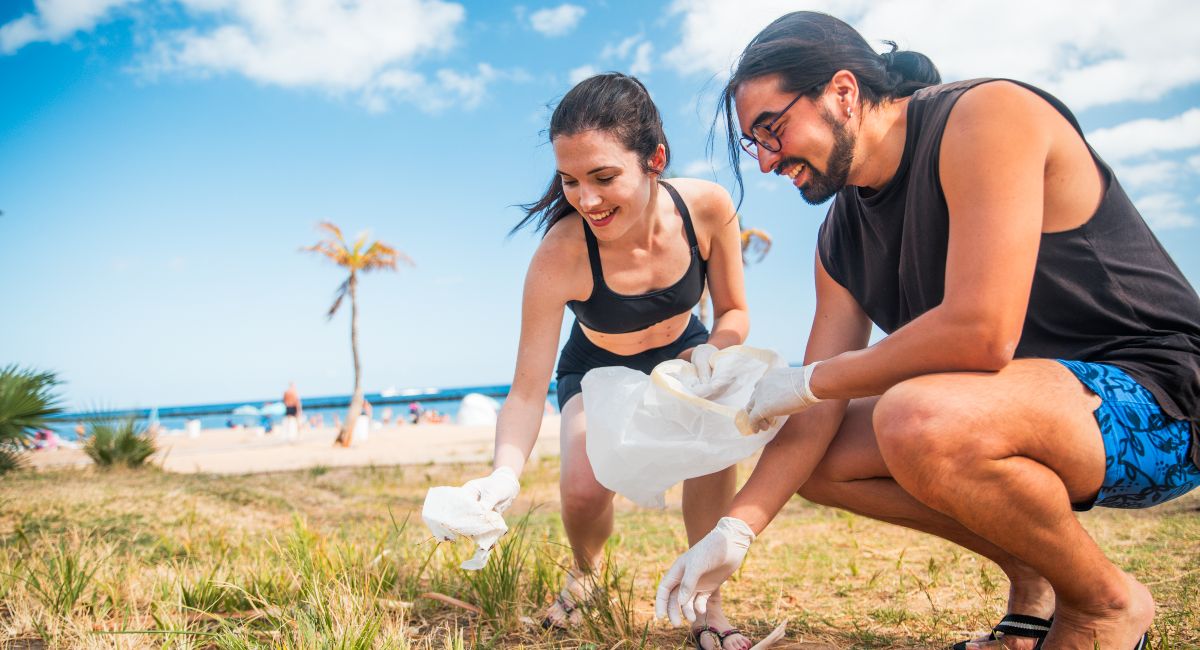
Environmental conservation projects focus on native species restoration, invasive species removal, marine protection, and watershed preservation through hands-on fieldwork. Opportunities range from single-day beach cleanups to multi-day restoration projects.
Marine and Coastal Conservation
Trilogy’s Blue ‘Aina Campaign hosts monthly ocean, reef, and beach cleanups, combining underwater reef cleanup or land-based conservation work with education about marine protection. Each event includes:
- Professional snorkel/diving cleanup
- $1,000 donation to featured nonprofit
- Educational component with local experts
- Sponsored meals for volunteers
Surfrider Foundation Maui Chapter coordinates beach cleanups with data collection logged in their national database, partnering with local businesses for sponsorship and community outreach.
Forest and Native Ecosystem Restoration
Friends of Haleakalā National Park supports invasive species removal, native plant restoration, and trail maintenance in some of the park’s most beautiful and remote areas. Projects often involve hiking and working in unique volcanic ecosystems.
National Tropical Botanical Garden at Limahuli offers restoration work in native Hawaiian plant sites, invasive species removal, and trail maintenance requiring good physical condition for hiking with tools to restoration sites.
Water Quality and Monitoring
Surfrider Foundation’s Blue Water Task Force trained volunteers sampled 16 sites monthly on North and South shores in 2023, with seven additional sites added in Lahaina after the fire.
What’s Animal Welfare Volunteering in Maui Like?
Maui Humane Society offers both drop-in volunteer opportunities for visitors and regular volunteer positions working with pets and people. The organization significantly expanded its capacity following the wildfires to care for rescued animals.
Maui Humane Society Programs
Current volunteer needs include:
- Pet socialization and exercise – Spending time with animals awaiting adoption
- Donation sorting and distribution – Managing supplies for affected animals and families
- Off-island adoption assistance – Supporting adoptions for people who don’t live on Maui through specialized resources
- Wings of Aloha transport – Flying MHS dogs to transfer partners via Alaska Airlines to West Coast destinations
The society operates two locations: the original Central Maui facility and a satellite storefront in Lahaina supporting West Side animals.
Wildlife Protection
Hawaii Wildlife Fund provides sea turtle nest protection and monitoring during summer season through Dawn Patrol, Night Patrol, and Nest Watch programs. Volunteers help:
- Monitor nesting females and protect eggs
- Watch for sea turtle tracks indicating nests
- Guard hatchlings from disturbance
- Support endangered species conservation
All monitoring activities operate under state and federal endangered species permits with trained biologists.
Where Can I Experience Native Hawaiian Cultural Preservation?
Native Hawaiian cultural preservation volunteers engage in traditional practices like taro farming, ancient site restoration, and perpetuating cultural knowledge through hands-on community work. These opportunities provide deep cultural learning alongside meaningful service.
Taro Farming and Food Systems
Hawaii Taro Farm in Waikapu engages volunteers in regenerative agricultural method, repurposing former plantation lands with 23 farmers working 310 acres using culturally-grounded farming practices. The operation focuses on food sovereignty and connecting people with Hawaiian agricultural traditions.
Traditional loʻi kalo (taro patch) restoration occurs at multiple sites. Restoration efforts include ancient 15th-century aquaculture sites that historically produced up to 300 pounds of fish per acre and 12,000 pounds of taro, demonstrating the sophisticated integration of Native Hawaiian farming and aquaculture systems.
Archaeological and Sacred Site Preservation
Maui Cultural Lands coordinates archaeological stabilization, native habitat restoration, and education focused on protecting Hawaiian cultural resources through malama (care) and kuleana (responsibility). Specific projects include:
- Honokowai Valley restoration – Removing invasive species and replanting native vegetation
- Ukumehame loʻi kalo restoration – Restoring ancient taro patches where Hawaiians once maintained fertile green acres
- Launiupoko heiau preservation – Uncovering and maintaining lava rock remains of ancient temples while replanting native wiliwili trees
Language and Storytelling
Maui Mixer’s Moʻolelo Program supports Hawaiian storytelling and media production, helping Hawaiian and Indigenous writers learn screenwriting and music video production grounded in Hawaiian culture.
What Should I Expect During My Volunteer Experience?
Volunteer experiences typically involve outdoor physical work in varying weather conditions, cultural education components, and community meal sharing with staff and other volunteers. Most programs provide necessary tools and safety equipment.
Typical Volunteer Day Structure
Morning Programs (8:00 AM – 12:00 PM):
- Safety briefing and tool distribution
- Cultural context and project background
- Hands-on work (cleanup, planting, restoration)
- Community lunch and reflection
Afternoon Options (1:00 PM – 4:00 PM):
- Extended project work
- Educational tours or presentations
- Data recording and reporting
What to Bring and Expect
Essential Items:
- Closed-toe shoes (steel-toed boots for debris work)
- Long pants and UV protection
- Refillable water bottle
- Lunch (often provided or shared)
- Work gloves (usually provided)
Physical Requirements:
- Ability to hike on uneven terrain, carrying tools and plants
- Comfortable working in heat, humidity, and varying weather
- Basic physical fitness for outdoor labor
Cultural Learning Components
Many programs include education about:
- Hawaiian creation stories and spiritual connections
- Traditional ecological knowledge
- Modern conservation challenges and solutions
- Community resilience and recovery efforts
Plan Your Meaningful Maui Experience
Transform your Maui vacation into a force for positive change by embracing the spirit of mālama through authentic volunteer engagement. Whether supporting wildfire recovery, protecting marine ecosystems, or preserving cultural heritage, your service creates a lasting impact while providing unparalleled cultural immersion.
Ready to make a difference? Start by exploring opportunities through the organizations we’ve mentioned in this blog. Use our comprehensive Maui area guide to choose accommodations near your preferred volunteer sites, then contact Maui Paradise Properties to plan your volunteer-focused stay for the perfect blend of meaningful service and regenerative travel.
Come with intention, leave with impact. Start planning your Maui stay, rooted in respect, purpose and connection.
____________________________________________________________________________

____________________________________________________________________________
Frequently Asked Questions About Maui Volunteering:
Most single-day activities accept walk-ins or same-week registration, while specialized programs like debris removal require advance booking. Wildfire cleanup events accommodate 50 volunteers per shift and fill quickly. Register through the organization websites or HandsOn Maui for guaranteed spots.
Can children participate in volunteer activities?
Minimum age requirements vary by organization, with some accepting children 16+ and others welcoming families with younger children when accompanied by adults. Beach cleanups and educational programs typically accommodate all ages, while debris removal and restoration work may have age restrictions.
What’s the time commitment for volunteer activities?
Programs range from 2-4 hour beach cleanups to full-day restoration projects. Weekly volunteer days make volunteering an easy addition to trip itineraries, with monthly projects typically hosted on Saturdays. Many organizations appreciate any time commitment, even single sessions.
How do I ensure my volunteering is culturally respectful?
Approach volunteering with humility, a genuine desire to help, and a commitment to leaving the island better than you found it. Learn about Hawaiian culture beforehand, follow photography guidelines, listen more than you speak, and support Native Hawaiian-led organizations when possible.
Let’s be real—choosing between Honolulu and Maui is like picking a favorite child. Both destinations deliver those jaw-dropping sunsets, warm trade winds, and aloha vibes that make Hawaii a dream destination. But once you dive beneath the glossy postcards, the personalities of Oahu and Maui couldn’t be more different.
As someone who’s hiked Diamond Head at sunrise and watched the sun set from the cliffs of Kapalua, I’ve come to learn that your dream Hawaiian escape depends on what kind of traveller you are.
So, let’s break down the real differences between Honolulu and Maui—without the fluff—and help you decide which island matches your travel style this year.
You’re Not Choosing an Island. You’re Choosing a Version of Yourself.
There’s a moment on every Hawaiian vacation—usually somewhere between your first barefoot walk on the beach and your third plate of poke—where time slows down, and something inside you shifts.
That shift feels different depending on where you are.
In Honolulu, it’s the rush of walking down Kalakaua Avenue with shaved ice in one hand and shopping bags in the other. It’s the thrum of street performers, neon signs, and the occasional ukulele spilling out of hotel lobbies like audio incense.
In Maui, it’s the stillness at 5:45 AM at the summit of Haleakala. The kind where you stop breathing, not out of awe, but because the silence is so complete, even your own inhale feels like a disruption.
So when people ask me, “Which island is better—Maui or Honolulu?” what they’re really asking is:
Who do I want to be on this trip?
The Psychology of Place: Honolulu is Dopamine, Maui is Serotonin
Travel isn’t just about geography—it’s about brain chemistry. Honolulu triggers dopamine. It’s fast-paced, flashy, and full of short-term thrills. Maui? She whispers. She deals in serotonin—the long, slow-blooming kind of joy that settles in your chest and lingers long after you’ve flown home.
Here’s what that means in real life:
| Experience | Honolulu (Dopamine) | Maui (Serotonin) |
| Wake-up view | 26th floor balcony, Waikiki surf below | Coconut palms swaying outside your lanai |
| Morning | Sunrise yoga at Ala Moana | Fresh banana bread on the Road to Hana |
| Midday | Pearl Harbor, poke bowls, Instagram snaps | Hidden waterfalls, sea turtles, and naps in a hammock |
| Night | Tiki bars, street food, neon lights | Sunset over Kapalua, wine on your lanai, stargazing |
Who Are You This Trip?
Let’s play a little travel personality quiz. It’s 2025—what are you craving?
If You Crave:
- Energy
- People
- Urban convenience
- Cultural density
Then, Honolulu is your playground. A place where your itinerary is packed and your senses stay wide open.
Stay at a high-rise hotel in Waikiki. Walk to everything. You’ll never be bored—and probably never quiet.
If You Crave:
- Space
- Stillness
- Sensory immersion
- Slow romance
Then Maui is calling. It’s not here to entertain you—it’s here to change you. It’s for barefoot thinkers, couples falling in love again, and people who need permission to stop chasing and just be.
Stay at a luxury condo in Wailea or someplace on the Hana coast. You’ll never want to leave—and that’s the point.
A Tale of Two Conversations
We interact with plenty of tourists from all over the world. I once met a couple on their honeymoon who spent four days in Honolulu before flying to Maui. Here’s what they told me:
“We loved Oahu. But as soon as we landed in Maui, it was like… our shoulders dropped. The air was different – softer. The pace is slower. It was the kind of calm we didn’t know we needed after all of the wedding planning.”
But I’ve also met solo travelers who felt too isolated on Maui. One woman told me:
“After two days, I missed the buzz of Honolulu. I wanted coffee shops with people watching and a city vibe, not winding roads and too much quiet.”
Neither is wrong. Each island reflects something back to you.
What No One Tells You (But We Will)
Here’s the real stuff—what blogs don’t usually say:
- Maui invites you to slow down. There’s no city noise to fill the silence—and that’s the beauty of it. It’s a place where simplicity shines, where you can breathe a little deeper, sleep a little longer, and reconnect—whether with your partner, your family, with nature, or just yourself. The stillness here isn’t empty. It’s restorative.
- Honolulu can be exhilarating—but intense. The beach is beautiful, yes, but Waikiki pulses with energy. It’s spectacle, not solitude. Don’t expect serenity unless you’re willing to seek it out on Oahu’s quieter shores.
- Both islands are popular, but Maui feels more personal. Even in the most luxurious resorts, Maui holds onto a sense of place. There’s a reverence in the way locals greet the day, a rhythm to life that’s less about what’s next and more about what’s now.
Where You Stay Shapes Who You Become
At Maui Property Paradise, we believe where you stay is more than a place to sleep—it’s where transformation begins. When you walk barefoot across cool tile floors, cook barefoot in a sunlit kitchen, or sip local coffee on your private lanai… you’re not just visiting Maui.
You’re living her.
Our handpicked luxury vacation rentals are designed to reconnect you with what matters—space, stillness, and the soul-soothing rhythm of aloha.
Final Word: The Answer Isn’t “Which Island is Better?”
It’s: Which version of you do you want to meet?
- If you’re chasing excitement, go to Honolulu.
- If you’re chasing meaning, come to Maui.
And if you’re chasing both—well, that’s what return trips are for.
Frequently Asked Questions About Maui vs Honolulu:
Is Maui more expensive than Honolulu?
Generally, yes—especially when it comes to accommodations. But Maui offers more space, privacy, and luxury per square foot. Think private lanai and ocean view, not balcony with street noise. That said, budget-friendly Maui options still exist—especially if you stay outside major resort areas.
Which island has better beaches?
Maui. The sand is softer, the crowds are thinner, and the snorkeling is world-class. Honolua Bay, Big Beach, and Napili Bay consistently beat Waikiki’s packed shores and shallow surf.
Is whale watching better in Honolulu or Maui?
Maui wins by a landslide. The shallow Auʻau Channel between Maui, Lānaʻi, and Kahoʻolawe is one of the best whale-watching spots in the world. Humpback whales migrate here from December to April to breed and give birth. It’s like watching National Geographic from the deck of your tour boat. Honolulu does see some whale action, but nothing compares to Maui’s up-close encounters.
Is it cheaper to fly to Honolulu or Maui?
Typically, flights into Honolulu (HNL) are slightly cheaper and more frequent, thanks to it being the state’s major airport hub. Maui’s OGG (Kahului Airport) is smaller but well-connected. Price differences are usually minor, but if you’re flexible on dates, flying into Honolulu could shave a few dollars off your trip.
Is Maui or Honolulu better for a first-timer?
It depends on your travel style. Honolulu is an easy intro to Hawaii—urban comforts, lots to do, and minimal culture shock. It’s like dipping your toes in paradise without leaving your hotel zone. Maui, however, is the full plunge. If you’re ready to unplug and immerse yourself in Hawaii’s natural beauty and slower rhythms, it might just spoil you for all future trips.
Can I visit both in one trip?
Sure—but not if you want to relax. Inter-island flights sound quick (and they are), but once you factor in airport time and check-ins, it’s a day lost. Unless your trip is 10+ days, we recommend savoring one island at a time. Trust me: the other will still be there next time.