

TL;DR: October delivers Maui’s warmest ocean temperatures (81-82°F), comfortable air temps averaging 85°F, and minimal rainfall—all without summer crowds. It’s the sweet spot for snorkeling, beach days, and exploring, with off-season pricing making it ideal for couples, families, and budget-conscious travelers seeking that perfect Hawaiian experience.
How Warm Does Maui Actually Get in October?
October brings some of Maui’s most comfortable conditions, with daytime highs averaging 85°F and gentle evening temperatures around 69°F.
The magic of October lies in its consistency. While many mainland destinations swing between extremes, Maui’s temperatures remain beautifully stable throughout the month. Daily high temperatures hover between 85-87°F, with the temperatures gradually settling from 87°F early in the month to 85°F by late October. Evenings invite leisurely strolls with temperatures dropping to a comfortable 69°F—perfect for dinner on an oceanfront lanai or sunset watching at Haleakalā.
What makes October special is the balance. You’ll feel the warmth of tropical sun without the intensity that sometimes overwhelms summer visitors. The trade winds provide natural air conditioning, creating that quintessential Hawaiian breeze that makes even warm afternoons pleasant.
Different areas of Maui experience subtle variations. West Maui locations like Kapalua see highs around 86°F, while cooler Hāna on the east side averages around 70°F. This diversity means you can find your perfect microclimate, whether you’re seeking sun-soaked beach days or cooler upcountry exploration.
What’s the Ocean Temperature Like for Swimming and Snorkeling?
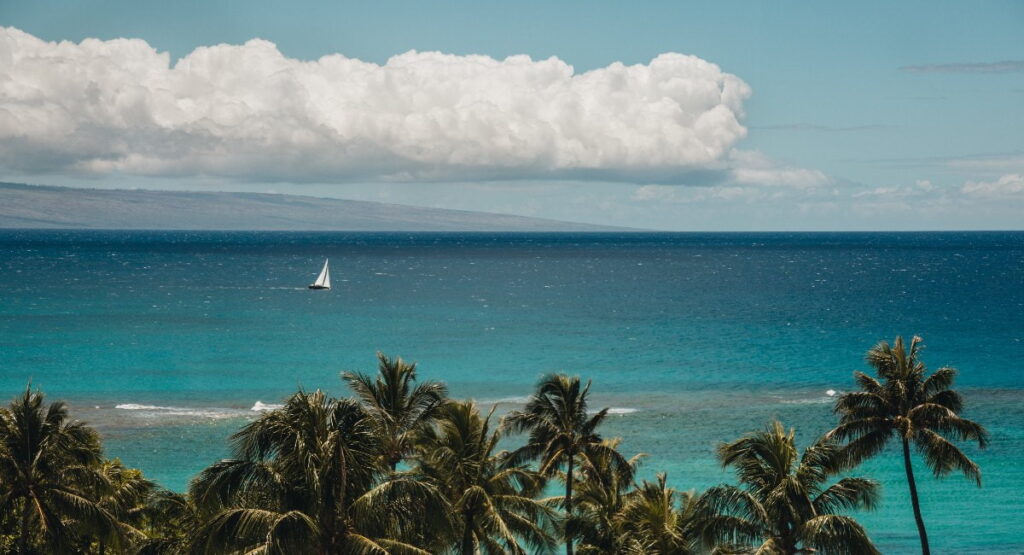
October delivers Maui’s warmest ocean temperatures of the year, peaking at 81-82°F—warmer than most heated pools and perfect for extended snorkeling adventures.
As local dive professionals note, “The water temperature peaks around Maui in September and early October at approximately 82 degrees Fahrenheit, making it some of the warmest ocean water anywhere in the U.S.” This warmth transforms every beach day into pure comfort.
With water temperatures staying between 75-80°F year-round, Maui offers only a 5-degree annual variation, but October sits at the premium end of that range. Throughout October, water temperatures range from 77°F to 81°F, with the monthly average hitting 81°F—creating bath-like conditions that invite hours of ocean play.
For snorkeling enthusiasts, October represents ideal conditions. The warm water means you can comfortably explore coral reefs without a wetsuit, though many still appreciate a light rash guard for sun protection. During these warmer months of June through November, ocean temperatures range from 77-80°F, with October at the peak.
Children and less experienced swimmers particularly benefit from October’s warmth. The minimal temperature difference between air and water—often just 3-4 degrees—means no shocking transitions when entering the ocean.
How Much Rain Should You Expect in October?
October ranks among Maui’s driest months, with most areas receiving less than 1.5 inches of rainfall spread across just a few days.
Weather data shows October typically brings only 1.1 inches of rainfall over 1 day in many areas, making it exceptionally dry compared to winter months.
The National Weather Service in Honolulu tracks these patterns, noting that Hawaii’s unique geography creates distinct microclimates across each island.
Wailuku experiences relatively low precipitation with an average of 26mm (about 1 inch) spread over approximately 4 rainy days throughout the month. In contrast, Hāna receives significantly more rainfall, averaging 163mm (about 6.4 inches) and typically sees rain on 19 days in October.
This dramatic difference highlights why choosing your base location matters. West and South Maui—including popular areas like Kāʻanapali, Wailea, and Kihei—enjoy the driest conditions. The leeward (west and south) sides benefit from the rain shadow effect of Haleakalā and the West Maui Mountains.
When rain does occur, it often arrives as brief afternoon or evening showers rather than all-day downpours. As local weather experts note, “Evening rainfall is quite common year round, especially from November through March”, but October falls outside this rainier pattern.
Pro tip for conscious travelers: October’s drier conditions mean reef-safe sunscreen becomes even more critical. Support local conservation efforts by choosing mineral-based sunscreens that protect both your skin and Maui’s coral reefs.
Why October Beats Peak Season for Maui Travel
October delivers summer’s best weather conditions without the crowds, higher prices, or booking challenges that define peak season.
As the shoulder season, October offers distinct advantages that make it particularly appealing for couples, honeymooners, and budget-minded families. You’ll experience Maui’s warmest ocean temperatures and most stable weather patterns while enjoying more peaceful beaches and better availability at top restaurants and activities.
The absence of summer crowds transforms popular experiences. Snorkeling at Molokini Crater or the Turtle Arches feels more intimate. Sunrise at Haleakalā offers better photo opportunities without jostling for prime viewing spots. Local dive operators note that October’s smaller groups allow for “more time on marine education and conservation awareness” during tours.
Accommodation pricing typically drops 20-30% compared to peak summer months, while vacation rental availability increases significantly. This makes October particularly attractive for families seeking spacious condos or couples wanting luxury resorts without premium pricing.
October also positions you perfectly for experiencing both seasons. You’ll enjoy late summer’s warmth while anticipating winter’s whale season, which begins in earnest by December. As local operators describe it, “October gives you summer’s warm water and excellent visibility while anticipating the excitement of our approaching whale season”.
What to Pack for October in Maui
Pack for warm, stable weather with minimal rain—think lightweight layers, reef-safe sun protection, and comfortable beachwear.
Essential items:
- Lightweight, breathable clothing in natural fabrics
- Reef-safe sunscreen (zinc oxide or titanium dioxide-based)
- Wide-brimmed hat and quality sunglasses
- Quick-dry swimwear and rash guards
- Light cardigan or jacket for evening breezes
- Comfortable walking shoes for exploring
- Water shoes for rocky beach entries
October-specific considerations: The minimal rainfall means you can leave heavy rain gear at home. A light windbreaker suffices for cooler upcountry areas or evening adventures. Local gear experts recommend thermal tops for extended snorkeling, noting that “many people find that they appreciate an extra layer when spending a longer time in the water, such as when snorkeling”.
For families with children, pack extra sun protection. “Children are especially vulnerable to a chill and may need a thermal top to keep them warm longer” during water activities, even in October’s warm temperatures.
Sustainable packing tip: Choose reef-safe products and reusable water bottles to minimize your environmental impact. Support local businesses by purchasing forgotten items from Maui-based retailers rather than chain stores.
Weather-Smart Activities: Making the Most of October Conditions
October’s exceptional weather opens up every activity on your Maui wishlist, from sunrise adventures to sunset beach relaxation.
Hawaii officially recognizes just two seasons: summer (kau) from May to October and winter (hoʻoilo) from November to April, making October the perfect finale to the dry, stable summer season.
Ocean activities thrive in October:
- Snorkeling: Peak water temperatures make wetsuit-free snorkeling comfortable at sites like Honolua Bay and Molokini Crater
- Diving: Excellent visibility and warm water create ideal conditions for both shore dives and boat trips to Lanai’s Cathedrals
- Stand-up paddleboarding: Calm morning conditions and warm water temperatures
- Beach days: Perfect for family beach time at Wailea Beach or Kāʻanapali Beach
Land-based adventures benefit from stable weather:
- Haleakalā sunrise: October’s clear skies and dramatic lighting create perfect conditions for this iconic experience
- Road to Hana: Minimal rainfall reduces washout concerns on this scenic drive
- Hiking: Comfortable temperatures make trails like the Pipiwai Trail accessible for all fitness levels
- Upcountry exploration: Saturday farmers’ markets in Kula showcase fresh tropical produce in pleasant weather
Cultural experiences flourish: October’s comfortable conditions make it ideal for engaging respectfully with Hawaiian culture through guided tours, traditional ceremonies, and community events. Support local artisans at weekend markets where comfortable weather encourages browsing and connecting with makers.
Where to Stay: West Maui vs South Maui in October
Both West and South Maui excel in October, but offer distinct advantages based on your priorities and travel style.
West Maui: Consistent Sunshine and Beach Access
West Maui—including Kāʻanapali, Nāpili, and Kapalua—benefits from the most consistent sunshine and direct sunset views. The leeward locations provide protection from trade winds and rainfall, making it ideal for beach-focused vacations.
October advantages in West Maui:
- Minimal rainfall and maximum sunshine hours
- Direct access to excellent snorkeling at beaches like Kapalua Bay
- Vibrant sunset views from your accommodation
- Walking access to restaurants and activities in Kāʻanapali and surrounding neighborhoods
Best for: Couples seeking romantic sunsets, families wanting easy beach access, and travelers prioritizing water activities.
South Maui: Protected Waters and Resort Luxury
South Maui—encompassing Kihei, Wailea, and Mākena—enjoys warm, reliable weather and a range of beach conditions, from gentle snorkeling spots to iconic surf-kissed shores. The area often enjoys sunshine even when it’s raining on the North Shore due to its protected location.
October advantages in South Maui:
- Most protected from trade winds
- Luxury resorts with world-class amenities
- Excellent snorkeling at Makena Landing “AKA Turtle Town” and Ulua Beach
- Easy access to Molokini Crater tours
Best for: Honeymooners seeking luxury, families with young children needing calm waters, and travelers wanting resort amenities.
Both regions offer exceptional vacation rental options through local companies like Maui Paradise Properties, which provide insider knowledge and personalized service that enhances your October stay.
Ready to experience Maui’s perfect October weather? Book direct with us to save on your October stay—browse Maui vacation rentals or call 808-214-1011 for personalized local advice on finding your ideal home base for exploring paradise.
Author Bio
Frequently Asked Questions
Is October a good time to visit Maui?
Yes, October is excellent for visiting Maui. You’ll experience the warmest ocean temperatures of the year (81-82°F), minimal rainfall, and comfortable air temperatures without peak season crowds or pricing.
What’s the ocean temperature in Maui during October?
Maui’s ocean temperature in October ranges from 77°F to 81°F, with an average of 81°F—the warmest water temperatures of the year, perfect for swimming and snorkeling without wetsuits.
Does it rain a lot in Maui in October?
No, October is one of Maui’s driest months. Most areas receive only about 1.1 inches of rainfall over approximately 1 day, though this varies significantly between different microclimates on the island.
What should I pack for Maui in October?
Pack for warm, stable weather: lightweight clothing, reef-safe sunscreen, swimwear, light layers for evening, and comfortable shoes. Heavy rain gear isn’t necessary, but bring sun protection essentials.
Is October hurricane season in Hawaii?
While October falls within the official hurricane season, Hawaii rarely experiences major storms. October typically sees increased cloud cover from 36% to 42% but remains generally stable and pleasant for travel.
Quick Summary: Picture yourself paddling out into warm, crystal-clear waters where humpback whales breach in the distance and every wave carries you closer to pure aloha. Maui offers some of the world’s most diverse surfing—from the gentle, forgiving rollers at The Cove in Kihei, where you’ll catch your very first wave, to the thunderous barrels of Honolua Bay that have humbled and inspired surf legends for decades. Whether you’re gripping a foam board for the first time or seeking that perfect tube ride, this magical island wraps you in trade wind breezes and delivers wave experiences that will leave you planning your return before you’ve even dried off.
What Makes Maui the Perfect Surfing Destination?
Close your eyes and imagine you’re sitting on your board in 78-degree water so clear you can see reef fish swimming beneath your feet, trade winds carrying the sweet scent of plumeria across your face, while Haleakalā volcano rises majestically behind you. This is surfing on Maui, where every session feels like a postcard come to life.
What sets Maui apart from other surf destinations is its incredible dual personality. Come winter, massive North Pacific storms thousands of miles away send their energy marching toward our shores, transforming spots like Honolua Bay into perfect, barreling right-hand points that attract surfers from around the globe. But flip the calendar to summer, and suddenly our south and west shores come alive with gentle, rolling waves that seem custom-designed for your first ride.
Unlike the bustling surf scene on Oahu, Maui offers a more laid-back vibe with fewer crowds, but still plenty of nightlife, restaurants, and community to keep things interesting. You get the best of both worlds—the energy and surf culture you crave, without feeling like you’re fighting for every wave.
The water temperature rarely dips below 70°F, even in winter, which means you can surf year-round in nothing more than a rash guard if you prefer. Meanwhile, air temperatures range from the 70s to mid-80s in winter and 85-90°F in summer, creating that perfect tropical surf paradise you’ve been dreaming about.
Where Are the Best Beginner Surf Spots on Maui?

The Cove at Kalama Beach Park is where magic happens for first-time surfers. Nervous beginners transform from wobbly paddle attempts to triumphant fist pumps after catching their first wave here. Located right in the heart of Kihei, this protected little bay offers consistent waist- to chest-high waves that invite surfers of all levels to join in on the fun.
Throughout most of the year, The Cove gets small, consistent waves that break both right and left over a shallow, mostly sandy bottom, giving you options and forgiveness if you wipe out. The short paddle from shore means you’re not exhausted before you even try to catch a wave, and the bustling energy of multiple surf schools creates an encouraging atmosphere where everyone’s rooting for your success. When planning your stay near these beginner-friendly breaks, South Maui accommodations put you within walking distance of multiple surf schools and The Cove itself.
Launiupoko Beach Park offers a completely different vibe—think less-crowded longboard paradise. Just south of Lahaina, this gem delivers long, mellow rides that let you savor every second of your wave. The gentle reef break and beautiful beach park setup make it perfect for families who want to make surfing part of a full beach day. Pack a picnic and prepare to fall in love with the art of wave-riding. If you’re drawn to this area’s laid-back surf culture and stunning sunsets, West Maui properties offer easy access to both Launiupoko and Lahaina’s vibrant dining and shopping scene nearby.
Ukumehame Beach Park is our insider pick for those who prefer learning away from the crowds. About 20 minutes from Kihei, this spot hosts fewer surf schools with lighter crowds, meaning more waves for you and more personalized attention from instructors. The backdrop alone—with views of neighboring islands floating on the horizon—makes every session feel like a private surf retreat.
Remember that under the wrong conditions, beginner surf breaks can turn into not-so-beginner spots. Summer south swells can turn these gentle waves into more challenging breaks, so always check with your surf school or local lifeguards about conditions before paddling out.
How Do I Choose the Right Maui Surf Lesson?
The right instructor can transform your first surf experience from terrifying to absolutely magical. The best instructors don’t just teach you to stand on a board—they help you understand the ocean itself.
Look for certified instructors with ocean safety credentials. The instructors worth their salt are trained in CPR, First Aid, and surf instruction, and they’ll spend time teaching you about wave selection, ocean currents, and surf etiquette before you ever touch the water. This isn’t just safety theater—it’s the foundation that turns your surf experience into a genuine connection with Hawaiian surf culture.
Private vs. group lessons? It depends on your personality. Private lessons give you undivided attention and move at your pace, while group lessons offer built-in encouragement from fellow beginners. Semi-private lessons (2-4 people) often hit the sweet spot—personalized instruction with the fun energy of learning alongside others.
Two-hour lessons are worth the extra investment. Sure, you’ll find 90-minute options, but two hours allows for proper beach instruction, multiple wave attempts, rest breaks, and that crucial moment when everything clicks. Rushed lessons rarely create lasting surfers.
The best surf schools include all equipment—board, rash guard, and reef booties to protect your feet from sharp coral and rocks. Many also offer photography packages to capture your triumph, because trust us, you’ll want proof of that first successful ride.
Age considerations: Many surf schools welcome kids as young as 6-8, depending on the lesson type and child’s swimming ability. However, your child needs to be comfortable in the ocean and genuinely excited about surfing. Reluctant kids rarely become stoked surfers, no matter how patient the instructor.
What Are Maui’s World-Class Advanced Surf Breaks?
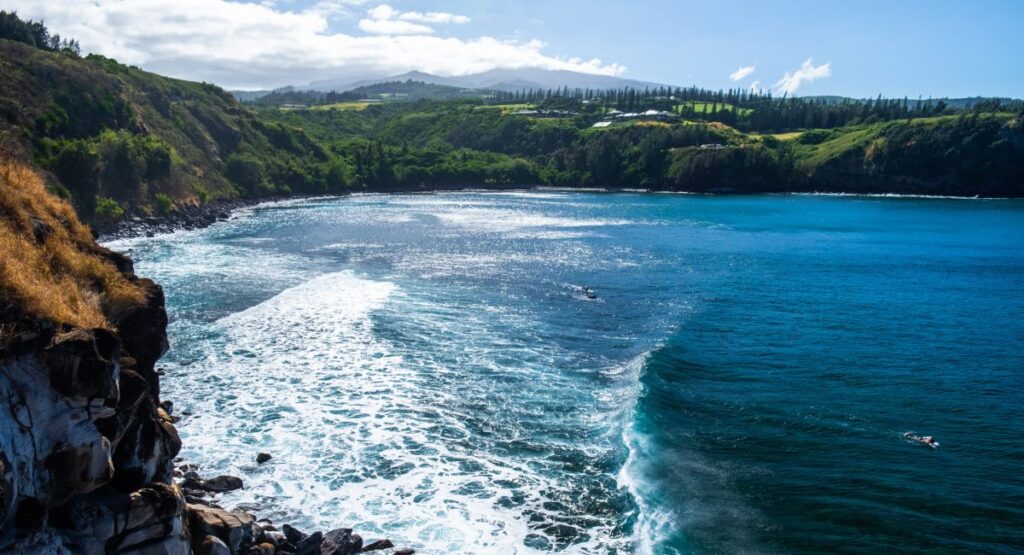
Honolua Bay will humble you and inspire you in equal measure. This pristine right-hand point break has earned its reputation of one of the world’s best waves. When winter north swells hit just right, Honolua transforms into a quarter-mile canvas of perfection—multiple barrel sections connecting seamlessly as the wave peels along the rocky point.
The bay itself feels almost sacred, surrounded by lush vegetation and that sense of being in a place where surfing legends have carved their stories into the waves. But here’s the reality check: when Honolua is working, it draws crowds from around the globe. Expect to wait your turn and show respect for the locals who’ve been surfing this break for decades.
Ho’okipa Beach Park near Paia is both a bustling surf spot and wind sports haven. This is where powerful rights and lefts peel across outer reefs, creating conditions that can handle everything from small longboard sessions to serious shortboard performances. The beauty of Ho’okipa lies in its consistency—it’s wide open to north swells, which means it rarely goes completely flat during winter months.
Fair warning: Ho’okipa can surprise you. Large winter swells can double in size without notice, and the specific entry and exit points aren’t negotiable. If you’re not familiar with the lineup, consider watching a few sessions before paddling out.
Ma’alaea Harbor—nicknamed ‘Freight Trains’ is world-renowned for its speed. When south swells wrap into this protected harbor, Ma’alaea creates what many consider the fastest right-hand point break in the world. It’s not always big, but the wave moves with such velocity that it challenges even experienced surfers to keep up.
Ma’alaea can be fickle, sometimes offering excellent waves only a few times per year. But when it’s on, it provides an unforgettable experience of pure speed and precision surfing.
A note on surf etiquette: These premium breaks demand respect. Wait your turn, don’t drop in on others, and remember that many local surfers have deep family and cultural connections to these places. A friendly attitude and genuine respect for the lineup will take you far.
When Is Pe’ahi (Jaws) Breaking and How Can I Watch?

Standing on the cliffs above Pe’ahi during a big swell is like witnessing the ocean’s raw, untamed power in its purest form. Known worldwide as “Jaws,” this legendary break awakens only when massive winter storms thousands of miles away send their energy across the Pacific. When conditions align—waves reaching 40, 50, even 60+ feet—watching from the clifftop becomes a pilgrimage for anyone who loves the ocean.
This isn’t surfing as most people know it. At Jaws, surfers get towed into waves by jet skis because paddling into these liquid mountains would be impossible. The speed, power, and consequence here exist on a completely different level, and this is strictly the domain of the world’s most elite big-wave surfers.
The best viewing happens between October and March, when North Pacific storms are most active. But here’s the thing about Jaws: it doesn’t perform on command. You might wait years for the perfect combination of swell size, direction, and weather that brings this place to life.
Getting there is part of the adventure:
Drive the Hana Highway past Paia, turn left on Pe’ahi Road, and follow it to the end. The walk to the cliff top viewing area is short but rewarding, offering spectacular vantage points of the break. Bring water, snacks, and sun protection—when Jaws is firing, you won’t want to leave.
Even if the waves aren’t massive, the clifftop offers stunning views of Maui’s north shore and a chance to appreciate the raw geography that creates these legendary waves. During big swells, you’ll find yourself sharing the cliffs with photographers, videographers, and fellow ocean enthusiasts from around the world.
Witnessing the WSL Pe’ahi Challenge:
When conditions permit, the WSL Pe’ahi Challenge ranks among surfing’s most spectacular experiences. Watching the world’s best big-wave surfers tackle these massive waves in person provides a profound appreciation for both human courage and nature’s incredible power. The competition typically runs from October through March, but only fires when waves consistently reach 40+ feet. For more details about surf competitions and viewing opportunities on Maui, including the Hawaii Women’s Pro at Honolua Bay, timing your visit around these world-class events adds an unforgettable dimension to your surf-focused vacation.
What Should I Know About Surf Safety and Ocean Conditions?
The ocean demands respect, and nowhere is this truer than in Hawaiian waters. Here’s something that catches many visitors off guard: waves in Hawaii can double in size in minutes, especially during winter. What looks like manageable 3-foot surf can suddenly become intimidating 6-foot sets with little warning. When in doubt, stay on shore and watch a few sessions before deciding to paddle out.
Understanding Maui’s surf seasons can help you prepare:
- Winter (November-April): North and northwest swells dominate, bringing powerful waves to spots like Honolua and Ho’okipa. Air temps stay comfortable in the 70s-80s, while water temperatures dip to their coolest at 70-75°F—still warm enough for just a rash guard.
- Summer (May-October): South swells activate the learning spots along Maui’s south and west shores. Air temperatures climb to 85-90°F, and water temps reach their peak at 75-82°F—pure tropical bliss.
Equipment and Protection: Always wear reef booties when surfing over coral—trust us on this one. The reef can be sharp and unforgiving, and a cut foot will end your surf trip quickly. Most reputable surf schools include booties with their lessons, along with boards and rash guards.
Recognizing Dangerous Conditions: Red lifeguard flags mean hazardous conditions—strong currents, dangerous surf, or other ocean hazards. These flags aren’t suggestions; they’re warnings based on local expertise. When flags are up, even experienced surfers often choose to stay on land.
Environmental Responsibility: Your kuleana (responsibility) as a visitor extends beyond your own safety. Use reef-safe sunscreen to protect our coral ecosystems, never step on coral (it’s living and takes decades to grow), and give marine life like Hawaiian green sea turtles plenty of space. What you do in the water today affects the ocean conditions for future generations.
Respecting Cultural Values: Surfing holds deep meaning in Hawaiian culture—it’s not just recreation, it’s part of the spiritual connection between people and ocean. According to Go Hawaii, the state’s official tourism site, Maui offers some of Hawaii’s most diverse surfing experiences, from beginner-friendly breaks to world-renowned big wave spots. Approach the water with humility, follow surf etiquette, and remember that you’re a guest in waters that have been surfed for over a thousand years.
How Much Does Surfing on Maui Cost?

Quality surf instruction is worth every penny—think of it as an investment in years of future wave-riding joy. Here’s what you can expect to pay for different types of lessons:
- Group lessons: $75-120 per person for 2-hour sessions (perfect for families)
- Semi-private lessons: $120-180 per person for 2-4 people (the sweet spot)
- Private lessons: $200-350 per person (depending on group size and duration)
Equipment rental for independent surfing:
- Surfboard rental: $20-50 per day (depending on the board)
- Wetsuit/rash guard: $5-15 per day (often included with lessons or rentals, though you’ll rarely need a wetsuit in Maui’s warm water)
- Complete packages: $40-60 per day for board plus accessories
Photography packages: Many schools include photos with lessons, but standalone photography services typically add $50-100. If you want proof of that moment when you first stood up and rode a wave to shore, photography packages are a great way to transform your lesson into lasting memories.
Multi-day Packages and Surf Camps:
If you’re serious about learning, multi-day surf camps offer better value for dedicated learning. Shoulder seasons (April-May, September-November) often feature lower prices and less crowded beaches. Many surf schools also offer package deals combining lessons with other activities like stand-up paddleboarding. Teen surf camps and women’s surf camps provide immersive overnight experiences that combine accommodation, meals, and intensive surf instruction.
What’s typically included: Reputable schools provide boards, rash guards, reef booties, instruction, and often photography. Some even throw in fresh water rinses and changing areas. You’re usually just responsible for showing up with sunscreen, a towel, and enthusiasm.
The real cost consideration? Transport to surf spots, post-surf smoothies and açai bowls (you’ll be hungry!), and the inevitable desire to book another lesson once you’re hooked. Surfing tends to be addictive that way.
Ready to Ride Maui’s Waves?
From your first wobbly ride at Kalama Beach Park to the epic barrels at Honolua Bay, Maui’s surf scene has something for everyone. Whether you’re starting out on a foam board with a certified instructor or chasing the perfect wave that’s haunted your dreams, every session here is something special. With waves for all levels (thanks to our dual-season swell), you’ll always find the right wave to match your vibe, no matter where you’re at in your surfing journey.
Every surfer who’s fallen in love with Maui’s waves shares the same story: you come for a vacation, but you leave planning your return. The combination of world-class surf, stunning natural beauty, and genuine Hawaiian aloha creates an experience that changes how you think about the ocean. With Maui welcoming over 2.35 million visitors annually, this island continues to prove why it’s considered one of the world’s premier surf destinations.
Ready to ride Maui’s waves? Book your ideal vacation rental with Maui Paradise Properties, and we’ll help you arrange surf lessons, local guidance, and unforgettable ocean adventures!
Frequently Asked Questions
What’s the best time of year to learn surfing on Maui?
Summer months (May-September), and sometimes late spring through October are usually best for beginners as gentle south swells produce consistent, forgiving waves. The water’s warmest, winds are generally lighter, and the overall conditions feel more forgiving as you’re learning. That said, don’t let winter stop you—many protected spots still offer great learning conditions even when the north shore is pumping.
Can children learn to surf in Maui?
Absolutely! Kids as young as 6-8 can take lessons (with proper parental waivers), but the key is making sure they’re comfortable in the ocean and genuinely excited about trying. Reluctant kids can transform into ocean lovers, but forced lessons rarely work. Make sure your child can swim confidently and isn’t afraid of getting saltwater in their face.
Do I need my own surfboard, or can I rent equipment?
Skip the hassle of bringing your own gear—surf schools include everything you need (board, rash guard, booties) in their lesson packages. For independent surfing after your lesson, rental shops near popular breaks offer daily rates that beat airline baggage fees every time. Plus, local shops know which boards work best for current conditions.
Is it safe to surf alone as a visitor?
We always recommend surfing with others, especially when you’re new to Maui’s breaks. If you paddle out to a spot and notice it’s completely empty despite good-looking waves, there’s usually a reason. When in doubt, ask local surfers or lifeguards, or book a surf guide who knows the ins and outs of each spot.
What should I do if I encounter a sea turtle while surfing?
Hawaiian green sea turtles (honu) are magical to encounter and considered good luck by many locals. Keep at least 10 feet away, never touch or chase them, and just enjoy the moment. These ancient creatures are protected by law, and their presence usually indicates healthy ocean conditions. Consider it a blessing to share the water with them.