
Spring break on Maui hits different than anywhere else.
You’re trading crowded theme parks and overpriced resorts for warm ocean water, humpback whales still cruising offshore, and the kind of weather that makes you forget what a jacket is.
March and April bring daytime highs of 80–84°F, water temperatures around 75–78°F, and a sweet spot between winter’s peak crowds and summer’s family rush.
Whether you’re traveling with toddlers, teenagers, or a multigenerational crew, Maui during spring break delivers the real island experience.
Key Takeaways
- Spring break weather on Maui averages 80–84°F with warm water (75–78°F) and reliable sunshine in resort areas
- Humpback whale season runs through mid-April — you can still catch breaching whales from shore or on boat tours
- 2026 spring events include the East Maui Taro Festival (April 18) and the Maui Marathon (April 26 in Kāʻanapali)
- Family-friendly beaches like Kāʻanapali, Kamaole III in Kīhei, and Nāpili Bay offer calm water and easy access
- Staying at a Maui Paradise Properties vacation rental gives families the space, kitchen, and privacy that hotels can’t match — plus you’re booking with a 100% locally owned company
What’s the Weather Like in Maui During Spring Break?
Warm, sunny, and nearly ideal. March brings average highs around 81°F with water temperatures of 75–77°F. By April, air temperatures climb to 82–84°F and the water warms toward 78°F. Rainfall is light in the resort zones — South Maui (Kīhei, Wailea) sits in Haleakalā’s rain shadow and stays drier than most of the island. West Maui (Kāʻanapali, Nāpili, Kapalua) is slightly wetter in the north but still delivers plenty of sunshine.
Morning skies are often clear in South and West Maui. Trade winds pick up in the afternoon, bringing occasional clouds and a cooling breeze — welcome when you’ve been in the sun all day. Pack a light rain jacket for Upcountry or the Road to Hāna, but don’t plan your trip around storms. Most spring days are beach-day reliable.
What Are the Best Spring Break Beaches for Families?
Your beach choice shapes your whole day. Here are the ones that actually work well with kids and mixed-ability swimmers:
Kāʻanapali Beach: Three miles of wide golden sand with showers, restaurants along the beachwalk, and calm water on the north side. Families love it because there’s room to spread out and amenities within walking distance. Snorkeling near Puʻu Kekaʻa (Black Rock) is excellent — you might see turtles, reef fish, and healthy coral. Lifeguards are on duty at Hanakaoʻo Beach Park (south end).
Kamaole Beach Parks (Kīhei): Three parks in a row along South Maui’s coast. Kam III has a grassy area perfect for picnics, typically gentle entry for small kids, and enough space that you won’t feel packed in. Low-key, easy access, and genuinely family-friendly.
Nāpili Bay: A sheltered crescent with shallow, clear water. The bay stays calm even when other beaches have chop. Sea turtles show up regularly, and the reef is close enough that beginners can snorkel without swimming far. One of the best options for families with young children.
Wailea Beach: Clean sand, warm water, and a luxury vibe. The Wailea Beach Path connects you to multiple beaches so you can explore by foot. Less crowded than Kāʻanapali and ideal for families who want a mellower setting.
Mākena (Big Beach): Stunning but more powerful. The shorebreak here is strong — best for older kids and confident swimmers. Worth a visit for the dramatic scenery, but not recommended for weak swimmers.
Ocean conditions can vary — to make the most of your beach day, always check conditions before you go. You can check conditions Hawaiʻi Ocean Safety conditions and the NOAA marine forecast. The Snorkel Store’s daily Maui snorkel report gives a quick easy rating to help you plan your beach day.
Can You Still See Whales During Spring Break?
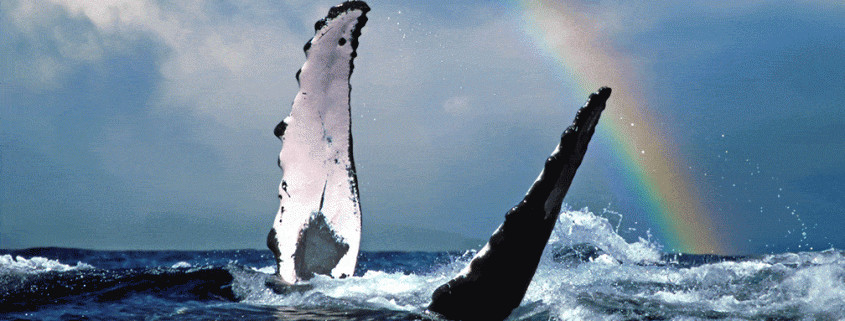
Yes — and it’s one of the best reasons to visit in March. The Hawaiian Islands Humpback Whale National Marine Sanctuary protects these waters during whale season, and humpback whales are actively present through early to mid-April. The peak population hits in January–February, but March still delivers regular sightings — breaching, tail slapping, and mother-calf pairs cruising offshore.
By late April, many whales begin migrating back to Alaskan feeding grounds. If whale watching is a priority, book your trip for March or early April and take a dedicated boat tour from Māʻalaea Harbor or Kāʻanapali beach. Sunset whale-watching cruises are especially memorable for families. You can also spot whales from shore — Kāʻanapali Beach, the Wailea Beach Path, and McGregor Point Lookout are all reliable viewing spots.
Read more about it in our complete guide on Mauiʻs whale season.
What Family Activities Should You Plan Beyond the Beach?
Explore Maui’s Natural Wonders
Haleakalā National Park: Watch sunrise from 10,023 feet above sea level, then hike into the volcanic crater. It’s otherworldly and one of those experiences kids remember for years. Sunrise reservations are required through Recreation.gov — book early, they sell out. Sunset visits don’t need reservations and are equally dramatic. Bring warm layers; it’s 30–50°F at the summit even during spring.
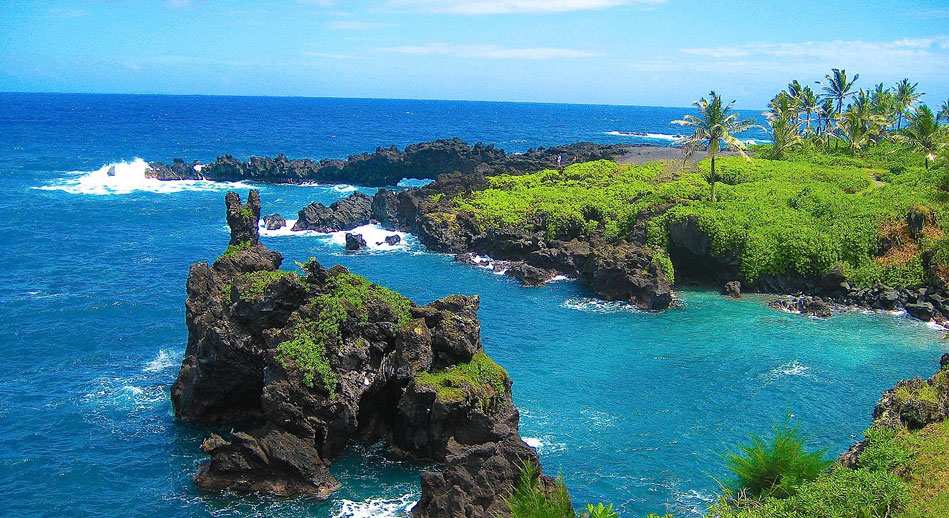
Waiʻānapanapa State Park: Black sand beach, sea caves, lava tubes, and crashing waves along the Road to Hāna. Reservations are required for entry and parking. Allocate at least an hour here — the coastal viewpoints above the beach offer some of the best views before you even step down to the sand.
Drive the Road to Hāna
Spring is one of the best times for this iconic drive. Waterfalls are flowing from recent winter rain, the landscape is lush and green, and weather is generally favorable for an all day outing. The drive is about 64 miles and you will want to budget a full day to enjoy the stops along the way. Check out the Maui Paradise Properties driving guide for tips and scenic routes. Start early, drive slow, and pull over for faster traffic. From Kāʻanapali, plan an extra 45–60 minutes to reach the starting point in Pāʻia.
Get in the Water
- Snorkel Molokini Crater: Morning boat tours depart from Māʻalaea Harbor. Molokini’s crescent-shaped volcanic crater offers excellent visibility and hundreds of fish species. Book the earliest departure to avoid afternoon wind.
- Kayak or paddleboard: Morning conditions are flat and warm — great for families. Rent gear from shops along West Maui or South Maui beaches.
- Surf lessons: Spring waves are typically manageable for beginners. Beach breaks in Kīhei and Kāʻanapali offer gentle conditions ideal for first-timers.
Always check conditions before going into to the water.
Off the Beaten Path
- Visit a local farmers market: Nāpili, Pāʻia, Wailuku, and Upcountry markets run weekly with fresh tropical fruit, local honey, and prepared food. Many Maui Paradise Properties vacation rentals have full kitchens — shop local and try a new local recipe.
- Zipline through Wailuku or Kapalua: An adrenaline rush with panoramic ocean and mountain views. Most operators take kids 8+.
- Explore Upcountry Maui: Makawao, Pukalani, and Kula are 10–15°F cooler than the coast, with art galleries, local farms and sweeping views across the island
- Beachfront yoga: Morning yoga sessions on the sand are available across West Maui and Wailea.
What 2026 Events Should You Plan Around?
Spring break overlaps with some of Maui’s best annual events:
East Maui Taro Festival — April 18, 2026 (Hāna): This free, family-friendly celebration honors kalo (taro), the foundation of Hawaiian food culture. Expect traditional Hawaiian dishes, live music, hula performances, cultural demonstrations, and storytelling. It’s held at the Hāna Ball Park and runs morning through late afternoon. Combine it with a Road to Hāna drive for an unforgettable day.
Maui Marathon & Half Marathon — April 26, 2026 (Kāʻanapali): The 56th annual race returns to West Maui with full marathon, half marathon, 10K, and 5K options. The out-and-back course runs along Honoapiʻilani Highway with ocean views. Even if you’re not running, the energy in Kāʻanapali that weekend is worth experiencing.
Maui Open Studios — April weekends: Local artists across the island open their studios to visitors. A unique way to see Maui’s creative side and bring home original artwork.
Where Should Families Stay During Spring Break?
Skip the hotel crowds. A vacation rental gives your family room to breathe — literally. You get full kitchens for midnight snacks and farmers market meals, separate bedrooms so everyone actually sleeps, private lanais for morning coffee, and the kind of space that hotels charge triple for.
Maui Paradise Properties is 100% locally owned and operated, which means your stay supports real Maui families. Whether you want a beachfront condo in Kāʻanapali steps from the sand, a Kapalua retreat near quiet bays, or a South Maui rental in Wailea or Kīhei with guaranteed sunshine — there’s a property that fits.
Best areas for spring break families:
- Kāʻanapali: Lively, beachfront, walkable to restaurants and shops. Great for families who want activity and convenience.
- Nāpili-Kahana: Quieter, village-like, steps from calm swimming and snorkeling bays. Ideal for families with young kids.
- Kīhei: Affordable, casual, and close to multiple beach parks. A great fit for families looking for flexibility, convenience, and strong overall value.
- Wailea: Upscale, pristine beaches, and polished amenities. Best for families who want a premium experience.
Check seasonal specials and accommodation deals to stretch your spring break budget further.
Every stay with Maui Paradise Properties includes complimentary daily activities through our Xplorie partnership — from snorkeling and golf to local experiences — giving you more ways to explore Maui while making the most of your spring break stay.
What Should You Pack for Spring Break on Maui?
- Reef-safe sunscreen (SPF 30+): Hawaiʻi law prohibits oxybenzone and octinoxate in non-prescription sunscreens — and the reef needs your help
- Swimwear and rash guards: Multiple sets so you’re not wearing yesterday’s wet suit
- Light rain jacket: For Upcountry, the Road to Hāna, and Haleakalā summit
- Hiking shoes: Trails are excellent in spring
- Reusable water bottles: Stay hydrated — the sun is stronger than you think at Hawaiʻi’s latitude
- Waterproof phone case: Waterfalls, snorkel selfies, beach days — protect your phone
- Casual dinner clothes: Maui restaurants are relaxed but not board-shorts-at-dinner casual
- Warm layers for Haleakalā: 30–50°F at the summit, even in spring
FAQ
Is spring break a good time to visit Maui with kids?
Spring break is one of the best times for families. Water temperatures are warm (75–78°F), beaches are calm, whale watching is still active through early April, and the island isn’t as packed as summer. You get excellent conditions without peak-season pricing.
What’s the weather like in Maui in March and April?
March averages 81°F with water around 75–77°F. April warms to 82–84°F with water near 78°F. Rainfall is light in resort areas — South Maui gets the least rain, West Maui is slightly wetter in the north. Most days are sunny and beach-ready.
How crowded is Maui during spring break?
Busier than shoulder season but not overwhelming. Late March (when most mainland schools break) is the peak window. Beaches are lively but manageable — especially if you arrive early. April after spring break ends is noticeably quieter and still has great weather.
Can you still see whales in April?
Through early to mid-April, yes. Humpback whale populations thin after March but sightings are still regular into the first two weeks of April. By late April, most whales are making their departure journey. Book a whale-watching tour early in your trip if possible.
What are the best family activities on Maui during spring break?
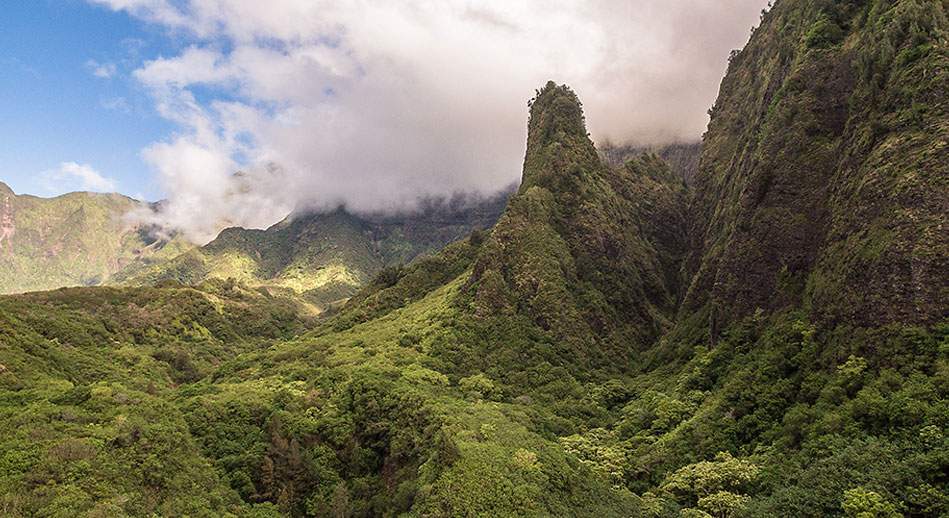
Beach days, snorkeling at Molokini or Nāpili Bay, Haleakalā sunrise or ʻĪao Valley needle viewing, driving the Road to Hāna, whale watching, surf lessons, visiting farmers markets, and attending the East Maui Taro Festival (April 18). Browse the Maui Paradise Properties activity page for more options.
Do I need a rental car on Maui?
Yes, for most itineraries. Public transit is limited, and many must-see spots are spread across the island. A rental car gives you the flexibility to visit beaches, hike, drive to Hāna, and explore Upcountry on your own schedule.
What’s the best area to stay for spring break?
It depends on your family’s style. Kāʻanapali is lively and beachfront with walkable amenities. Kīhei is great for families looking for flexibility and casual. Wailea is upscale with pristine beaches. Nāpili is quiet and calm — perfect for family swimming. All areas have Maui Paradise Properties vacation rentals available.
Is it expensive to visit Maui during spring break?
Maui isn’t cheap, but spring break pricing is generally lower than summer or winter holidays. Booking a vacation rental with a kitchen saves significantly on resort dining. Check accommodation deals for current savings.
What should I book in advance for spring break?
Haleakalā sunrise reservations (required, sell out weeks ahead), whale-watching tours, Molokini snorkel boats, rental cars, and your vacation rental. Spring break is popular — don’t wait until the last minute.
Are there any cultural events during spring break?
The East Maui Taro Festival (April 18, 2026) in Hāna celebrates Hawaiian food culture with traditional dishes, live music, hula, and storytelling. The Maui Marathon (April 26, 2026) brings energy to Kāʻanapali. Maui Open Studios happens on April weekends across the island.